When buyers compare concrete block machines, specifications such as cycle time, production capacity and installed power usually receive the most attention. These figures are important, but they do not explain why one machine can maintain stable production for years while another begins to show inconsistent product quality, excessive wear or frequent adjustment requirements.
The answer often lies deeper in the machine design.
Three systems have a particularly strong influence on long-term production quality: the main frame, the vibration system and the hydraulic system. These systems do not operate independently. The frame provides the mechanical foundation, the vibration system compacts the concrete and the hydraulic system controls many of the machine’s critical movements.
If one of these areas is poorly designed, the effect can appear elsewhere. Excessive structural movement can reduce vibration consistency. Poor hydraulic control can create irregular pressing movements. Unbalanced vibration can increase stress on the frame, mould and production pallets.
For this reason, concrete block machine quality should not be judged by one specification alone. The real question is how well the complete mechanical system works together throughout thousands of production cycles.
Why the Main Frame Matters
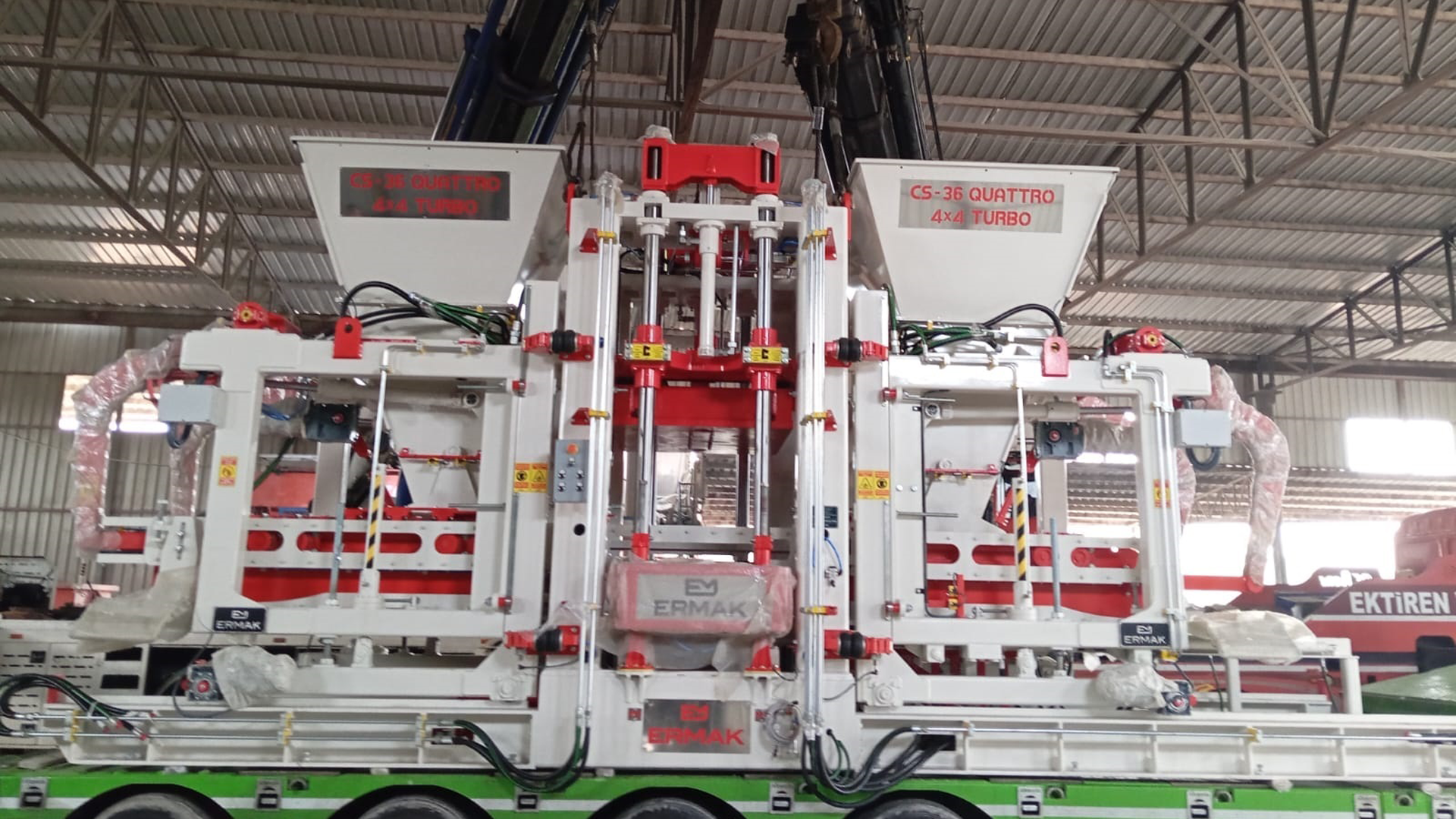
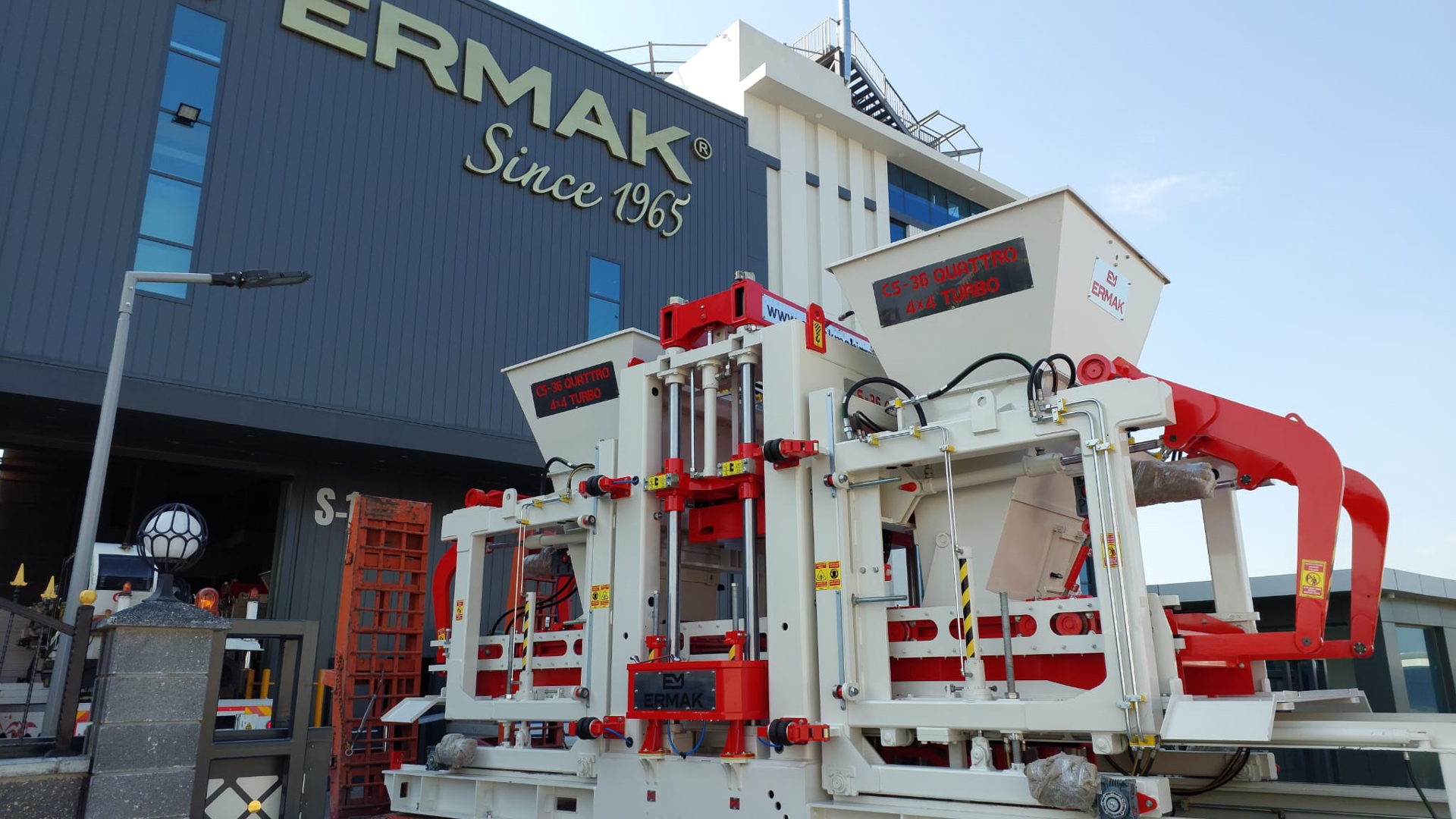
The frame is the structural foundation of a concrete block machine.
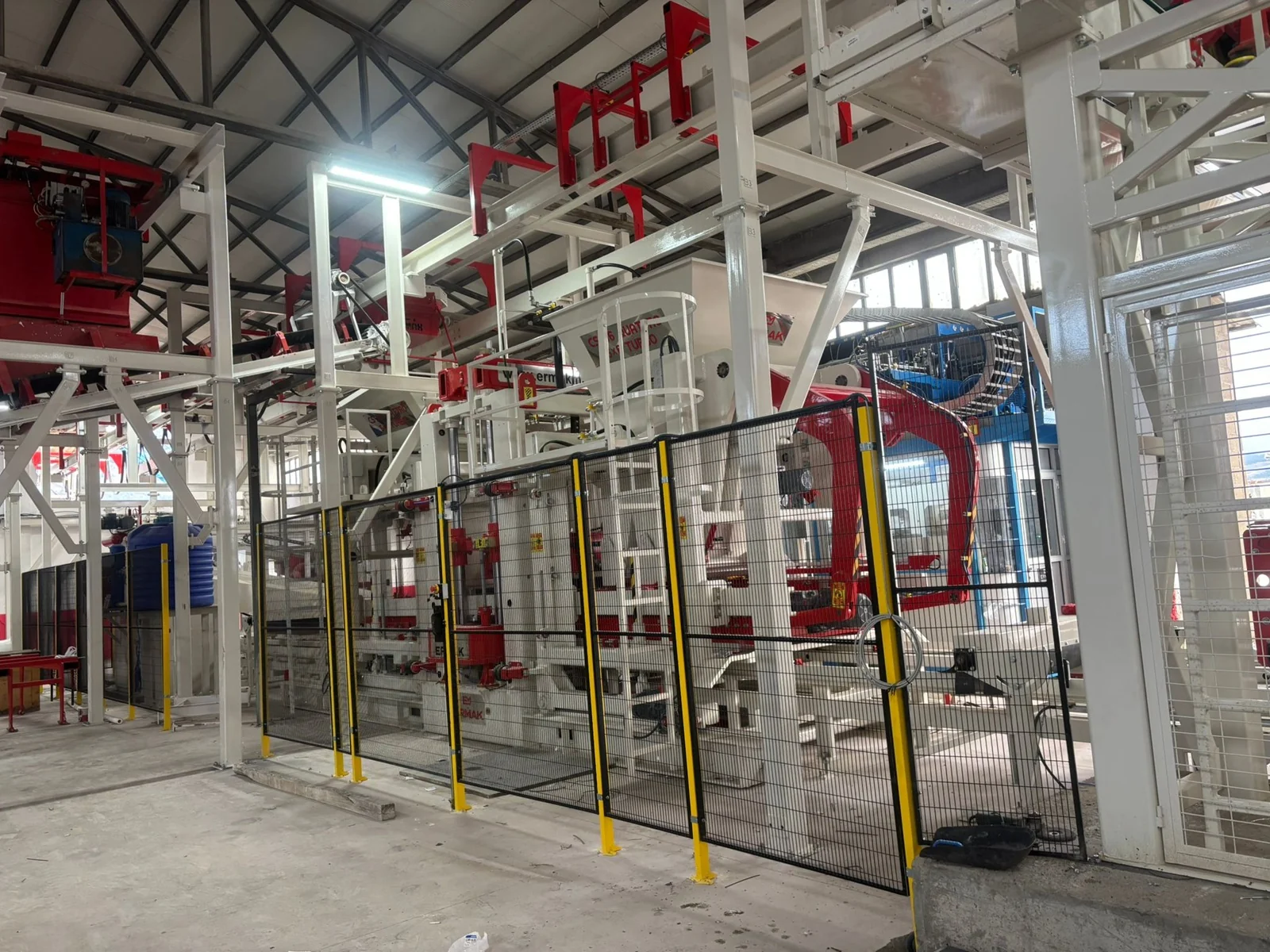
The mould, tamper head, vibration system and many hydraulic components operate in relation to this structure. Their alignment must remain stable even while the machine is exposed to repeated vibration, dynamic forces and continuous production.
A frame that does not maintain its geometry can eventually affect product consistency.
For example, if the relationship between the mould and tamper head changes under repeated loading, the pressure applied across the production pallet may no longer remain uniform. Small mechanical differences can appear as variations in product height, surface appearance or mould wear.
This is why frame quality is not simply a question of appearance or steel thickness.
The structure must be designed to control deformation and maintain critical alignment throughout the machine’s working life.
A Heavier Machine Is Not Automatically a Better Machine
Machine weight is often used as a simple quality indicator in the concrete block industry.
A substantial frame can certainly contribute to mechanical stability. However, total machine weight alone does not tell the buyer whether the structure has been engineered properly.
A poorly designed heavy frame can still experience unwanted movement in critical areas. A well-engineered structure may use material more effectively and provide better stiffness where it is actually required.
The important factors are structural design, load paths, fabrication quality and the relationship between the frame and the vibration system.
Therefore, when comparing block machines, asking only “How many tonnes does the machine weigh?” provides limited information.
A better question is whether the machine maintains alignment and vibration stability under real production conditions.
Frame Rigidity Supports Product Repeatability
Concrete block manufacturing depends heavily on repetition.
The machine does not need to produce one good cycle. It needs to produce thousands of consistent cycles during a shift.
The frame helps establish the mechanical reference for this repetition.
If the frame behaves consistently, the mould and pressing group can return to the same relative positions cycle after cycle. This supports more stable product dimensions and more predictable machine adjustment.
If the structure moves excessively, operators may compensate by changing other parameters.
They may increase vibration time, adjust hydraulic positions or modify product settings. The machine may continue producing, but the process becomes increasingly dependent on operator correction.
A strong machine design reduces the need for this type of continuous compensation.
Welding and Fabrication Quality Also Matter
Even a good structural design can lose accuracy if manufacturing quality is inconsistent.
Large welded machine structures can experience distortion during fabrication. Critical surfaces and mounting points therefore need to be produced and controlled with appropriate manufacturing processes.
The objective is to ensure that the physical machine reflects the intended engineering geometry.
This is particularly important around the mould area, vibration system and guiding structures.
Quality control should therefore include dimensional checks rather than relying only on visual inspection.
For international buyers, manufacturing discipline in these areas can be just as important as the design itself.
Vibration Is About Controlled Compaction, Not Maximum Force
Vibration is one of the most important processes in concrete block and paver production.
Semi-dry concrete contains limited water and must be compacted effectively inside the mould. Vibration helps rearrange the concrete particles, reduce voids and create the required product density.
Because vibration is so important, suppliers often highlight vibration force, motor power or frequency in machine specifications.
These values can provide useful technical information, but the highest number does not automatically produce the best concrete product.
The real objective is controlled and repeatable compaction.
The vibration system should distribute energy effectively through the production pallet and mould while remaining controllable for different product types.
Vibration Must Work Together with the Frame
The vibration system generates dynamic forces. The frame must manage these forces without allowing uncontrolled movement through the rest of the machine.
This relationship is one of the reasons why frame and vibration design cannot be evaluated separately.
If too much vibration energy is lost through structural movement, less useful energy may reach the concrete product.
At the same time, unwanted vibration can increase wear on components that are not intended to absorb it.
The goal is therefore not to make the complete machine shake as strongly as possible.
The goal is to deliver vibration to the production zone in a controlled way.
A well-designed system uses the mechanical structure to support the compaction process rather than allowing vibration to spread unnecessarily through the machine.
Consistency Across the Production Pallet Is Critical
A block machine may produce several products during each cycle.
For that reason, vibration performance must be considered across the complete production pallet.
If products on one side of the pallet consistently appear denser or more sharply formed than products on the other side, the production process is not balanced.
The cause may involve vibration distribution, concrete feeding, mould condition, pallet quality or a combination of factors.
This is why machine evaluation should include the final products, not only measurements taken directly from the vibration system.
Stable production means that different mould cavities can produce products with similar geometry, height and compaction characteristics.
Different Products Need Different Vibration Behaviour
A factory may use the same machine to manufacture hollow blocks, interlocking pavers, kerbstones, grass pavers and other concrete products.
These products do not necessarily require identical vibration parameters.
Product height, mould geometry, concrete mix and surface requirements can all influence the optimum production setting.
A good block machine should therefore allow vibration parameters to be adjusted and stored according to product requirements.
For example, a paving stone may require different vibration timing than a large hollow block.
The ability to manage these differences is one reason why modern PLC and HMI systems are increasingly important in block machine operation.
Saved production recipes can help operators return to proven vibration settings when a product is produced again.
Maximum Vibration Is Not Always Maximum Quality
Applying more vibration than necessary does not automatically improve the product.
Excessive vibration can increase mechanical stress and may not create a proportional improvement in compaction.
The objective should be to achieve the required density and product quality using stable, repeatable settings.
This is also important from a production capacity perspective.
If vibration time is longer than necessary, every production cycle becomes slower. Across thousands of cycles, small unnecessary delays can reduce shift output significantly.
Good process engineering therefore looks for the point where product quality and cycle efficiency are balanced.
Production Pallet Quality Affects Vibration Performance
The production pallet forms part of the vibration system.
Vibration energy passes through this pallet while the concrete is being compacted inside the mould.
A pallet that is excessively worn, damaged or deformed can influence the consistency of the production process.
This means a vibration problem should not always be diagnosed as a vibration-system problem.
The machine frame, vibration components, mould and production pallets should be evaluated together.
For factories seeking stable product quality, pallet condition should therefore be included in routine production and maintenance checks.
Mould Design Is Closely Connected to Vibration Quality
The mould determines the product geometry, but it also participates in the compaction process.
The dimensions of the mould cavities, internal surfaces and relationship with the tamper head can affect how concrete behaves during vibration.
A precisely manufactured mould supports consistent compaction across different cavities.
An excessively worn or poorly manufactured mould can create product differences that may incorrectly be blamed on the machine.
This is why we treat mould compatibility as part of the overall production system rather than as a separate accessory.
The main machine, vibration system and mould need to work as a coordinated unit.
Hydraulic Design Controls Critical Machine Movements
The hydraulic system is another major component in concrete block machine performance.
Depending on the machine design, hydraulics may control the tamper head, mould movement, material feed and other important functions.
These movements need to happen at the correct time, speed and position.
A hydraulic system that delivers high pressure but poor control will not provide stable production.
The most important characteristic is repeatability.
The machine should perform similar movements from one cycle to the next, including after the hydraulic oil has reached normal operating temperature.
Maximum Hydraulic Pressure Is Not a Quality Measurement
Just as maximum vibration force can be misleading, maximum hydraulic pressure should not be treated as a simple machine-quality score.
Higher pressure is useful only when the machine design actually requires it and the hydraulic system can control it properly.
The objective is not to operate at the highest possible pressure.
The objective is to generate the required machine movements reliably and efficiently.
Valve response, cylinder control, hydraulic circuit design, filtration and temperature management may have a greater practical effect on machine behaviour than the maximum pressure shown in a specification sheet.
Hydraulic Stability Affects Cycle Time
A concrete block machine repeats the same sequence continuously.
If hydraulic movements vary from one cycle to another, overall cycle time also becomes unstable.
For example, if one movement normally requires two seconds but occasionally takes three or four seconds because of unstable control, the difference can accumulate across a complete shift.
These small variations are sometimes difficult to notice manually.
Production data and PLC monitoring can help reveal them.
A stable hydraulic system contributes not only to mechanical consistency but also to predictable production capacity.
Oil Temperature Should Not Change Machine Behaviour Excessively
Hydraulic systems naturally heat during operation.
A machine may behave perfectly when started cold but differently after several hours of production if the hydraulic system is not properly designed.
For this reason, machine testing should not be limited to a few short cycles.
Extended operation helps verify whether movements remain stable as the hydraulic oil reaches normal working temperature.
Cooling capacity, reservoir design, filtration and component selection all influence this behaviour.
For high-capacity multi-shift production, thermal stability becomes especially important.
Filtration Has a Direct Relationship with Hydraulic Reliability
Hydraulic components operate with relatively small internal clearances.
Contaminated oil can damage valves, pumps and other components, eventually affecting both reliability and movement accuracy.
This is why good filtration should be considered part of machine design rather than an optional maintenance detail.
Filters also need to be accessible.
If changing a filter requires excessive disassembly, maintenance may be postponed. A small design inconvenience can then become a long-term reliability problem.
Machine quality should therefore include not only how the system performs when new but also how easily that performance can be maintained.
Frame, Vibration and Hydraulics Must Be Evaluated Together
It is tempting to evaluate each machine system independently.
A buyer may compare frame weight, vibration specifications and hydraulic pressure in three separate rows of a spreadsheet.
In reality, the quality of the machine depends heavily on how these systems interact.
The frame needs to support controlled vibration. The hydraulic system must move the mould and pressing components consistently. The vibration system needs to work with the mould and pallet while the frame maintains the required geometry.
Weakness in one area can create symptoms in another.
This is why troubleshooting a product-quality problem requires a system-level approach.
If one side of the production pallet produces different products, the correct response is not automatically to increase vibration. The concrete feed, mould, pallet, machine alignment and hydraulic movements may all need to be checked.
Product Height Is a Useful Indicator of System Balance
One practical way to evaluate machine consistency is to compare product height across the production pallet.
If the same mould repeatedly produces different heights in different positions, there may be an imbalance somewhere in the process.
Possible causes include uneven concrete filling, mould or tamper alignment, production pallet condition, vibration distribution or hydraulic movement.
The important point is that the machine must be analysed as an integrated system.
Changing one parameter without identifying the real cause can sometimes hide the symptom while creating another problem.
Consistent product height is therefore an important result of good mechanical and process control.
Product Weight Can Reveal Production Variation
Product weight is another useful indicator.
Products produced from different mould cavities should not show unnecessary and repeated weight differences under the same production conditions.
If one section consistently produces lighter products, it may indicate uneven feeding or compaction.
Weight measurement is relatively simple, but it can reveal valuable information about production consistency.
Combined with dimensional measurements and visual inspection, it helps verify whether the machine is delivering similar results across the complete mould.
Surface Quality Also Reflects Machine Behaviour
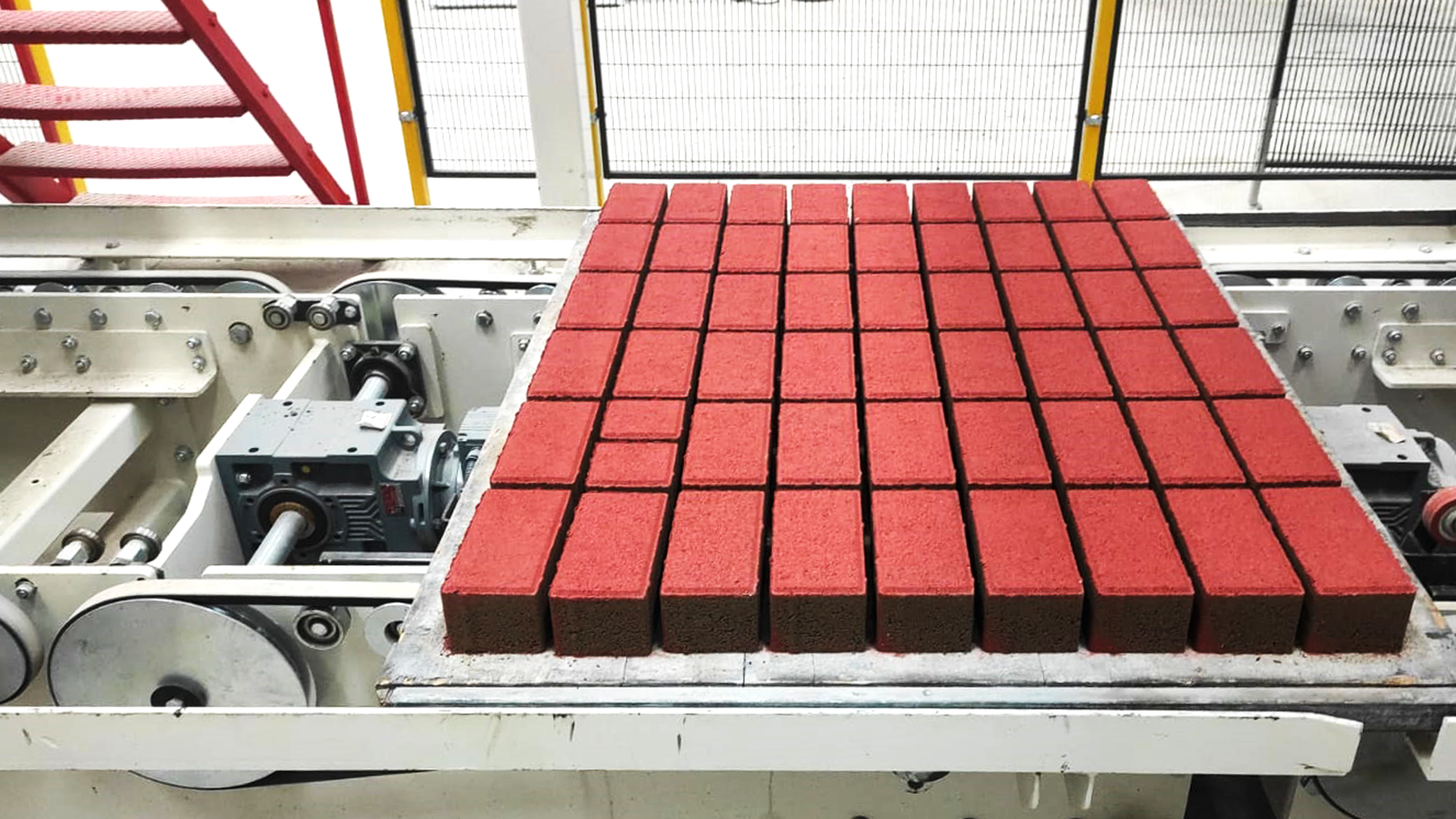
The finished surface of a concrete paver or block can provide useful information about the production process.
Poor filling, inconsistent compaction or incorrect machine settings may appear as irregular edges, surface voids or inconsistent texture.
This does not mean every visual problem is caused by the machine.
Concrete recipe, aggregate moisture and mould condition also affect surface quality.
However, repeated defects appearing in the same mould position should be investigated carefully.
The pattern of the defect can help identify whether the problem is related to feeding, vibration, mould geometry or another part of the system.
Machine Quality Should Be Judged Under Production Conditions
An empty block machine can look extremely smooth during a demonstration.
Real production is different.
Concrete introduces resistance, the vibration system operates under load, hydraulic movements repeat continuously and the machine reaches normal operating temperature.
For this reason, production testing provides much more useful information than empty cycling alone.
Where possible, buyers should evaluate the machine with an actual mould, production pallets and representative concrete.
This allows them to observe real cycle behaviour and inspect the products produced.
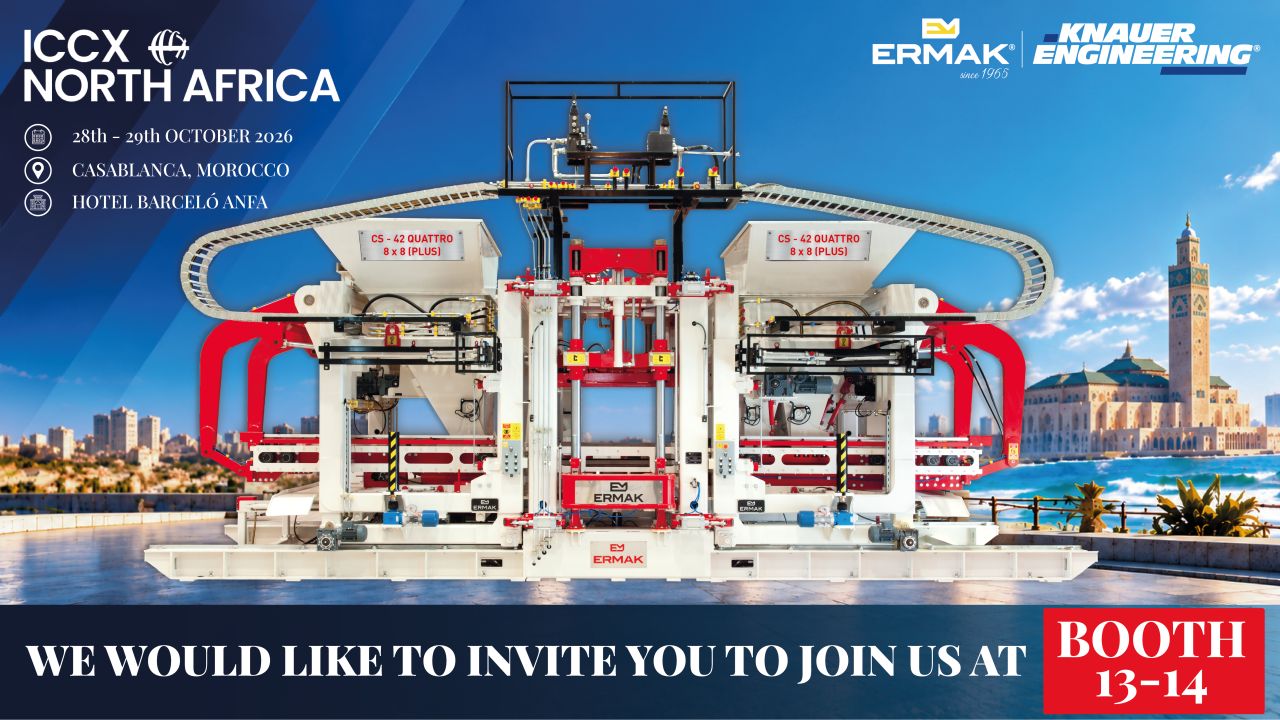
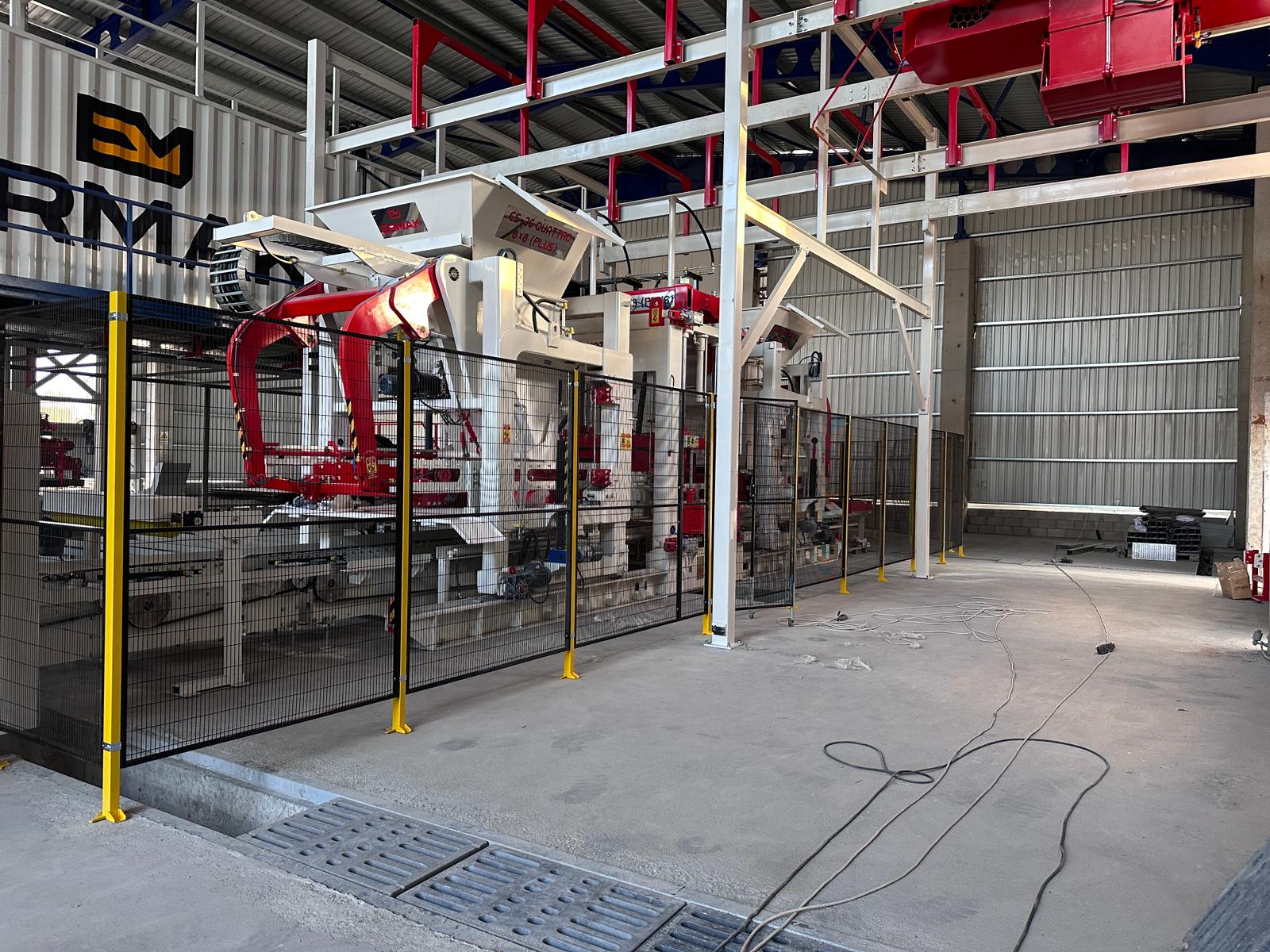
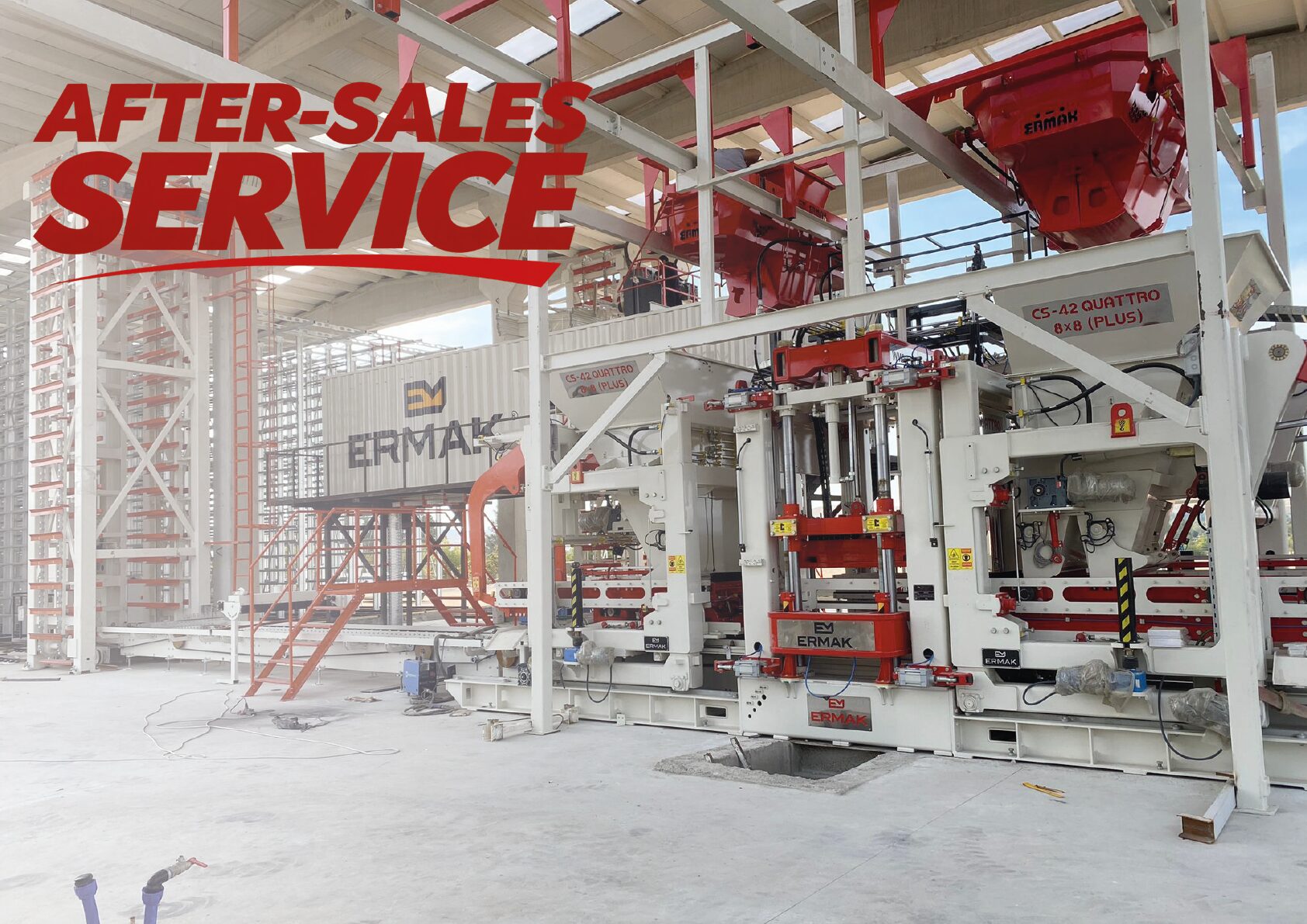
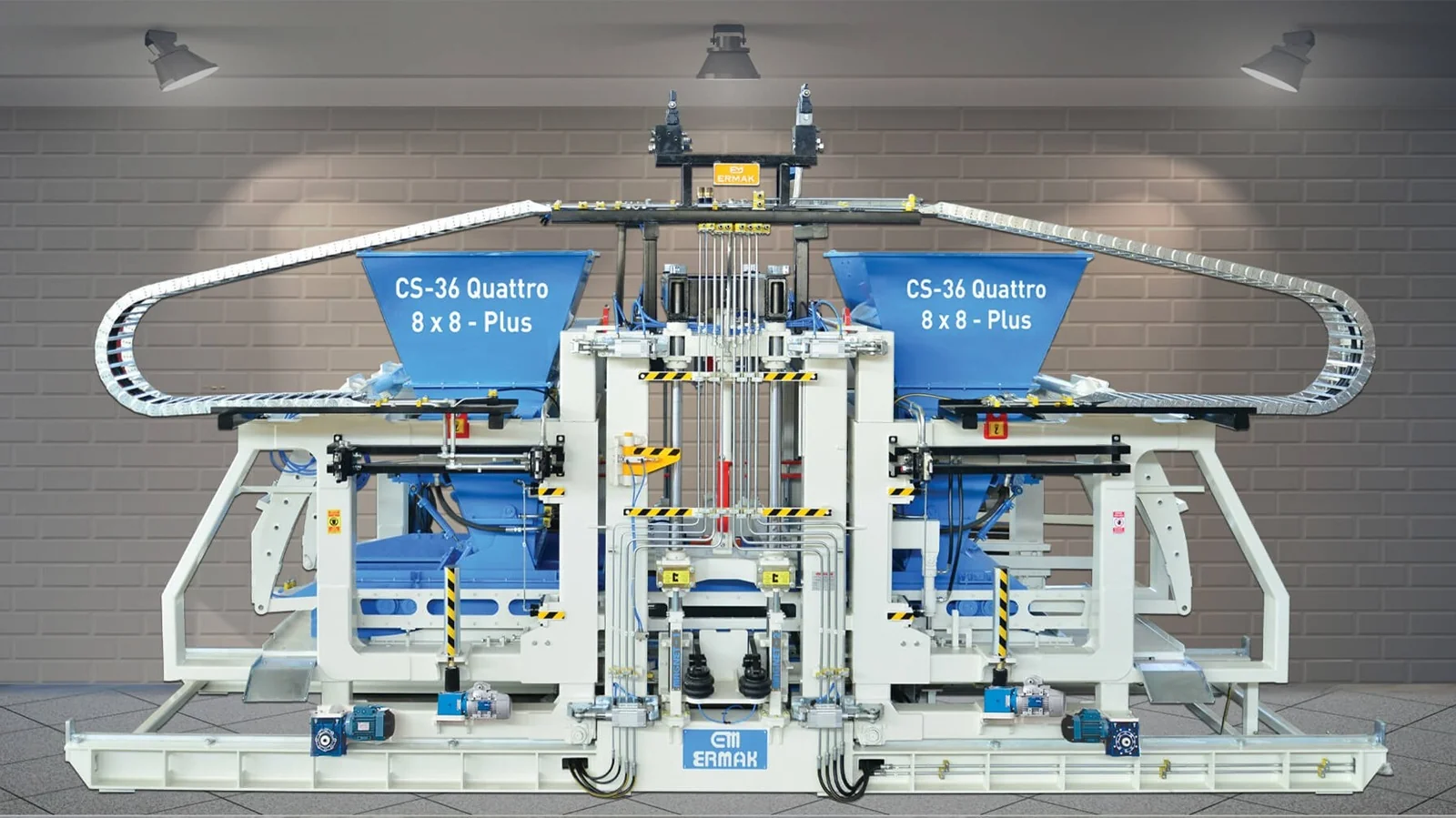
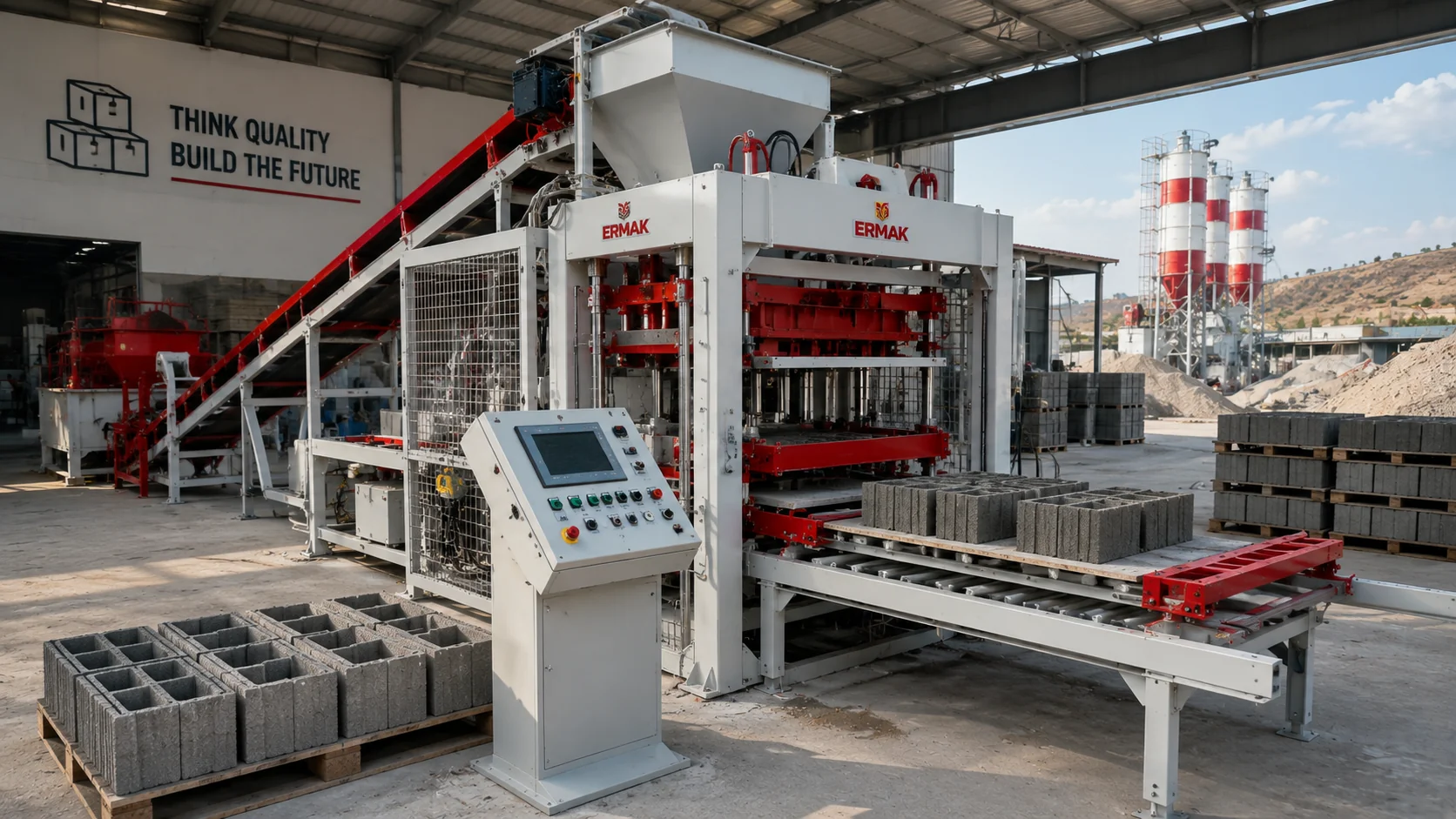
For a high-capacity platform such as the Quattro 8X8 Plus concrete block machine, the important question is not only how quickly the machine can move, but how consistently the complete system can produce acceptable products under sustained operating conditions.
Repeatability Is More Important Than One Fast Cycle
A very short cycle observed once during a machine test may look impressive.
However, industrial production is based on averages.
A factory needs to know what cycle performance can be sustained through hundreds or thousands of cycles while preserving product quality.
This is why average cycle time, downtime and quality rate are more valuable than one isolated maximum-performance result.
The strongest machine is not necessarily the machine with the shortest recorded cycle.
It is the machine that can repeatedly achieve the required production rate with stable quality and manageable maintenance requirements.
Machine Design Influences Mould Life
Frame alignment and hydraulic control can also affect mould wear.
If the tamper head and mould do not remain correctly aligned, unnecessary mechanical contact may occur.
Repeated contact can accelerate wear or damage components.
Stable guiding and controlled hydraulic movements therefore contribute indirectly to mould life.
This is important because moulds are a recurring cost during the operating life of a block plant.
Reducing unnecessary mould wear can have a meaningful effect on total cost of ownership.
Machine Design Influences Production Pallet Life
The production pallet is also affected by machine behaviour.
Unbalanced vibration or poor mechanical alignment can create uneven loads.
Over time, this may contribute to pallet wear or deformation.
Because production pallets circulate continuously through the plant, premature replacement can become an important operating expense.
This is another example of why individual components should not be evaluated independently.
Good machine design supports the working life of the surrounding production system as well.
Maintenance Access Is Part of Quality
A technically sophisticated machine can still create unnecessary downtime if maintenance access is poor.
Hydraulic filters, lubrication points, sensors and mechanical adjustment areas should be reasonably accessible.
Routine maintenance should not require extensive disassembly.
This makes preventive maintenance easier and helps technicians identify developing problems before they create long production stops.
For us, machine quality includes the ability to maintain the machine effectively throughout its working life, not simply its performance when it leaves the factory.
Monitoring Helps Identify Changes Before Major Failure
Modern PLC and HMI infrastructure can support mechanical quality by making production behaviour more visible.
Cycle times, alarms and some machine states can be recorded and compared over time.
For example, if a hydraulic movement gradually begins taking longer, the change may become visible in production data before it creates a complete failure.
Likewise, repeated sensor alarms or increasing short stops may point to a developing mechanical problem.
Data does not replace physical inspection, but it can help maintenance teams focus attention on the correct areas.
Long-Term Quality Depends on Preventive Maintenance
Even the best-designed machine requires maintenance.
Vibration systems create repeated dynamic loads. Hydraulic systems require clean oil and filtration. Mechanical connections need inspection and lubrication.
The purpose of quality engineering is not to eliminate maintenance.
It is to create a machine where maintenance requirements are predictable and manageable.
A strong preventive maintenance program helps preserve the alignment and system performance established when the machine was manufactured.
Ignoring maintenance eventually makes it difficult to distinguish between a design problem and a condition problem caused by wear.
How Should Buyers Compare Two Block Machine Designs?
When comparing block machines, it is useful to move beyond headline specifications.
Ask how the main frame is manufactured and controlled. Understand how vibration is generated and adjusted. Examine how the hydraulic system maintains movement consistency during long production periods.
Consider whether the mould and tamper system are easy to align and maintain.
Ask what production testing is performed before shipment.
Also evaluate how accessible critical maintenance areas are and what technical documentation is supplied.
These questions provide a more complete picture than machine weight, motor power or maximum hydraulic pressure alone.
Factory Acceptance Testing Can Verify System Behaviour
Factory Acceptance Testing is a valuable stage for checking the completed machine before shipment.
The exact FAT scope depends on the project, but mechanical movements, automation sequences, alarms and safety functions can be evaluated.
Where practical, production tests can also provide useful information about mould alignment, vibration consistency and cycle stability.
The objective is not simply to see the machine move.
It is to verify that the machine behaves in a controlled and repeatable way before it is transported to the customer site.
This can significantly reduce commissioning risk.
Site Commissioning Completes the Picture
A block machine does not operate alone after installation.
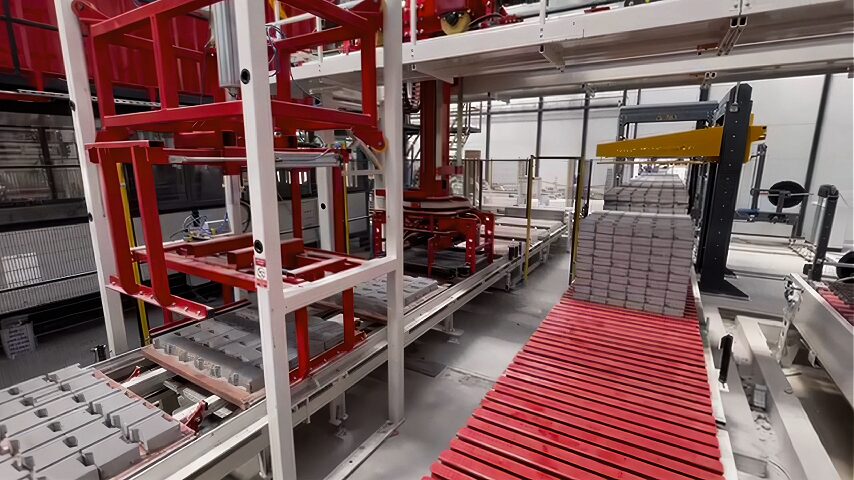
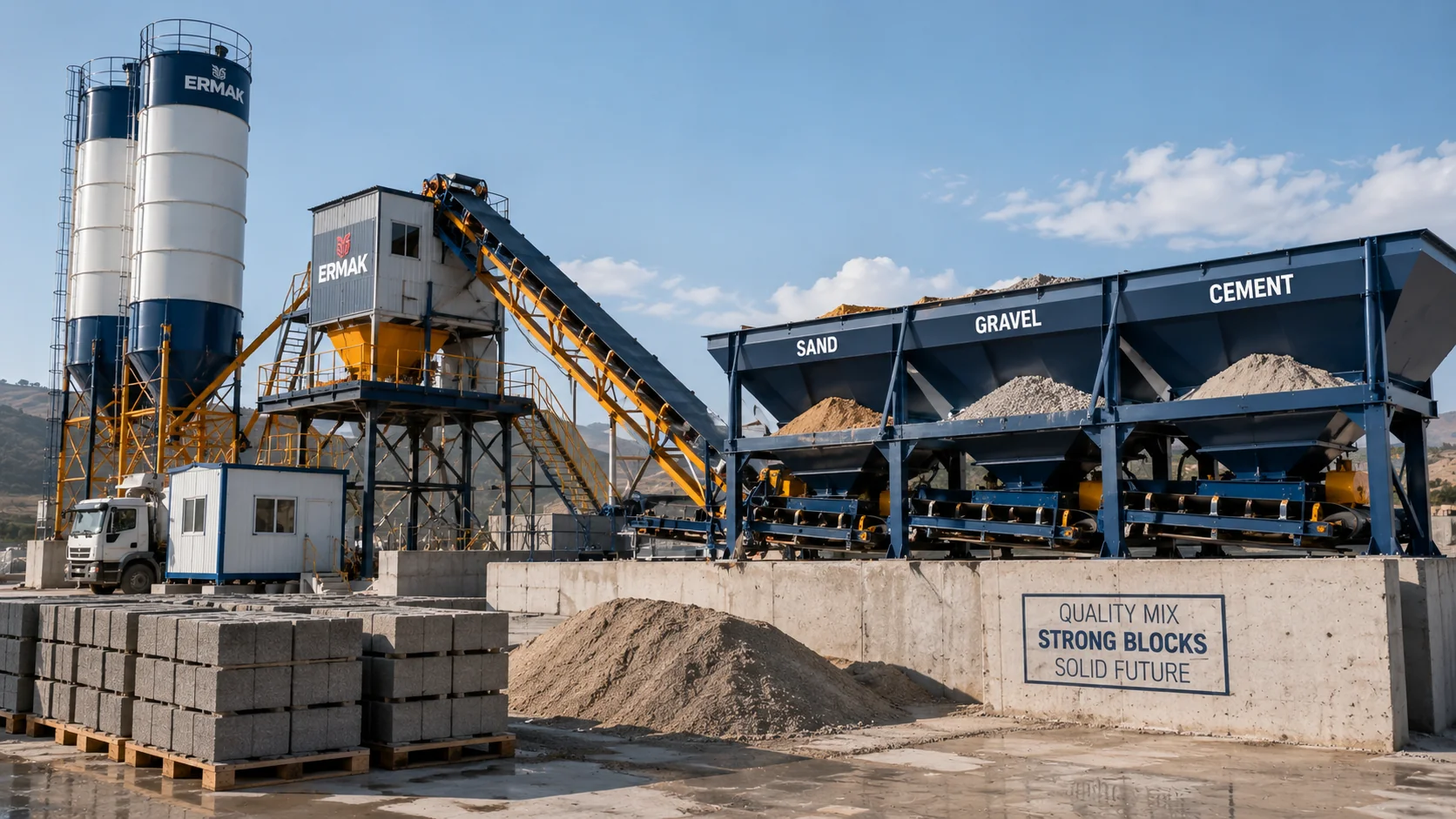
It receives concrete from the batching and mixing system, uses production pallets, sends fresh products to curing and relies on the dry side to return empty pallets.
For this reason, final production performance can only be fully evaluated after the machine is integrated into the real plant.
Site commissioning allows the main machine to be adjusted according to local raw materials, concrete recipe and complete-line behaviour.
This is also why the main machine and auxiliary systems should be selected as one production system rather than independent equipment.
Strong Machine Design Supports Higher OEE
Frame stability, vibration consistency and hydraulic reliability ultimately influence plant OEE.
Mechanical problems create availability losses through downtime.
Unstable cycle behaviour creates performance losses.
Inconsistent compaction or product geometry can create quality losses.
Improving these areas therefore has an economic effect beyond the machine itself.
Stable machine design supports higher saleable output from the same planned production time.
This is one reason why initial purchase price should never be the only criterion when evaluating a block machine.
Quality Should Be Evaluated Through Total Cost of Ownership
A machine that costs less to purchase but requires frequent adjustment, premature mould replacement or repeated hydraulic maintenance may become more expensive over time.
The opposite is also true.
An expensive design does not automatically provide better economics if its additional capability is not needed by the factory.
The correct evaluation should consider initial investment together with maintenance, spare parts, mould life, production pallet life, downtime and saleable output.
This Total Cost of Ownership approach provides a more realistic picture of machine quality from an investor’s perspective.
Ermak Makine’s Approach to Mechanical Quality
At Ermak Makine, we consider the frame, vibration and hydraulic systems as connected parts of the same production process.
The machine frame must provide the mechanical foundation required for consistent operation. The vibration system must compact different concrete products in a controlled and repeatable way. Hydraulic movements must remain stable through continuous production.
These systems are then combined with mould design, automation and complete-line engineering.
The objective is not to optimize one specification for a quotation. It is to create a production system capable of delivering repeatable saleable output over long operating periods.
Investors comparing different machine capacities and production configurations can review our concrete block machine and complete production line catalogs to explore the available systems in more detail.
What Ultimately Defines Block Machine Quality?
Concrete block machine quality cannot be defined by one number.
Machine weight alone does not define frame quality. Maximum vibration force does not define compaction quality. Maximum hydraulic pressure does not define movement control.
The real measure is how the systems perform together.
A good machine should maintain mechanical alignment, deliver repeatable vibration, control hydraulic movements consistently and continue producing acceptable products as production hours accumulate.
It should also allow maintenance to be performed efficiently and provide operators with enough control to adapt production to different products.
In practical terms, the strongest block machine design is the one that can repeat the required product quality, cycle after cycle, without creating unnecessary mechanical stress, adjustment requirements or downtime.
Companies planning a new concrete block, paving stone or kerbstone production project can contact Ermak Makine to discuss product requirements, production capacity and complete plant configuration.
Frequently Asked Questions
Why is the machine frame important in a concrete block machine?
The frame provides the structural reference for the mould, vibration system and pressing group. Its stability helps maintain alignment during repeated production cycles.
Does a heavier machine always have a stronger frame?
No. Weight alone does not determine structural quality. Design, fabrication, material distribution and stiffness in critical areas are more important.
What does the vibration system do?
It helps compact semi-dry concrete inside the mould, reducing voids and supporting the required product density and geometry.
Is higher vibration force always better?
No. The objective is controlled and repeatable compaction. Excessive vibration does not automatically improve product quality.
Why should vibration be adjustable?
Different products, mould geometries and concrete mixes may require different vibration settings. Adjustable parameters improve production flexibility.
Does the production pallet affect vibration?
Yes. The production pallet participates in transferring vibration to the concrete. Worn or deformed pallets can influence product consistency.
Why is hydraulic design important?
Hydraulic systems control many critical machine movements. Stable movement speed and position contribute to consistent cycle time and production quality.
Is maximum hydraulic pressure an indicator of machine quality?
Not by itself. Pressure must be controlled appropriately for the machine design. Hydraulic stability, filtration, temperature control and movement repeatability are more meaningful.
Why should hydraulic systems be tested after warming up?
Oil temperature changes during production. Extended testing helps confirm that hydraulic movements remain stable under normal operating conditions.
How does machine alignment affect mould life?
Poor alignment can create unwanted contact between the mould and tamper components, increasing wear and potentially shortening mould life.
Can frame or vibration problems affect product height?
Yes. Product height variation can be related to frame alignment, vibration distribution, concrete feeding, mould condition, pallet condition or hydraulic movements.
Why is product weight useful during testing?
Repeated weight differences between products from different mould positions can indicate uneven concrete feeding or compaction.
Should machine quality be judged using empty cycles?
Empty-cycle testing is useful for checking functions, but production testing gives a much better indication of real machine behaviour under load.
What is more important than the fastest cycle time?
A sustainable cycle time that can be repeated throughout the shift while maintaining acceptable product quality is more important than one isolated fast cycle.
What is the most important indicator of a high-quality concrete block machine?
The strongest indicator is repeatability: the ability of the frame, vibration, hydraulic and control systems to work together and produce consistent saleable products over long production periods.