Supplying a concrete block machine to Europe involves more than manufacturing the equipment, completing production tests and attaching a CE mark before shipment. The manufacturer needs to identify the applicable European requirements, assess the risks created by the machinery, demonstrate how those risks have been addressed and maintain technical documentation that supports the conformity assessment. The documentation should also correspond with the actual machine that is delivered, including its mechanical configuration, electrical system, automation and safety functions.
For buyers, this documentation is equally important. A well-prepared technical package makes installation, maintenance, future modifications and discussions with local authorities considerably easier. It also provides a clearer record of what was supplied and how the machine was designed to operate safely. CE documentation should therefore be treated as part of the engineering project rather than as paperwork prepared after the machine has already been completed.
The European Machinery Framework Is Changing in 2027
As of October 2026, machinery placed on the European market is still governed by Machinery Directive 2006/42/EC. Regulation (EU) 2023/1230 on machinery will apply from 20 January 2027, when Directive 2006/42/EC is repealed. This transition is particularly important for projects manufactured during 2026 but scheduled for delivery, market placement or commissioning around the beginning of 2027, because the project timeline can affect which legal framework needs to be applied.
For machinery manufacturers and buyers, the practical lesson is straightforward: conformity planning should begin at the quotation and engineering stage rather than shortly before shipment. A European project that crosses the January 2027 transition should be reviewed according to its actual placement-on-the-market and commissioning schedule, and the documentation package should be prepared according to the applicable framework.
CE Marking Is the Result of a Conformity Process
CE marking should not be viewed as an independent certificate purchased from an external organization. The manufacturer must first determine the applicable EU legislation, identify the relevant health and safety requirements, perform the required conformity assessment and prepare supporting technical documentation. After conformity has been demonstrated, the appropriate declaration is prepared and the CE marking can be applied.
Depending on the type and classification of machinery, different conformity assessment procedures may apply. It is therefore not correct to assume that every industrial machine requires exactly the same third-party certification route. The applicable procedure needs to be identified for the specific machinery and project configuration.
What Is the Technical File?
The technical file is the core evidence supporting machinery conformity. Under the current Machinery Directive, it is expected to cover the design, manufacture and operation of the machinery to the extent necessary to demonstrate compliance. Typical documentation includes a general description of the machine, overall drawings, control circuit drawings, detailed technical information, calculations or test results where required and documentation relating to the assessment of machinery risks.
The technical file is not simply the operating manual supplied to the customer. The operating manual is one part of the information accompanying the machine, while the technical file is a broader manufacturer record supporting the conformity assessment. Some sections may contain detailed engineering information that is retained by the manufacturer rather than distributed as a complete package with every machine.
Risk Assessment Should Drive the Documentation
Risk assessment is one of the most important parts of the CE process because it connects machine design with the applicable safety requirements. For a concrete block machine, the assessment should consider normal production as well as foreseeable activities such as mould changes, adjustment, cleaning, maintenance, troubleshooting and access to moving areas. Hazards related to mechanical movement, crushing, hydraulic energy, electrical systems, vibration and unexpected machine restart need to be considered within the real operating environment.
The purpose of the risk assessment is not to create a long list of hazards after the design has been finalized. Ideally, the assessment influences the machine from the beginning. Risks should first be reduced through inherently safer design where reasonably possible, followed by guards and protective measures, with residual risks addressed through warnings and instructions where necessary. This creates a much stronger conformity process than attempting to solve every issue through warning labels at the end of manufacturing.
Mechanical Drawings Must Represent the Delivered Machine
General arrangement drawings and relevant detailed drawings should correspond with the final machine configuration. This becomes especially important in project-based machinery because changes are often made during engineering. A guard may be repositioned, a conveyor interface may change or the customer may request an additional access platform, and these modifications can affect the technical documentation.
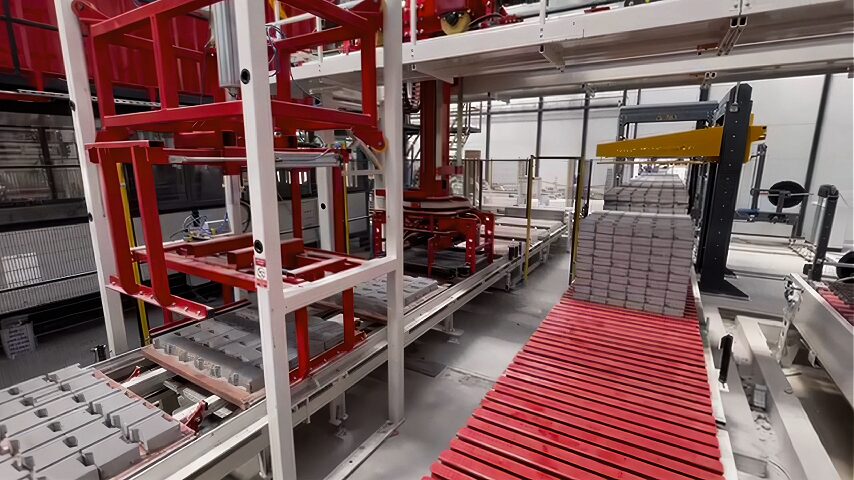
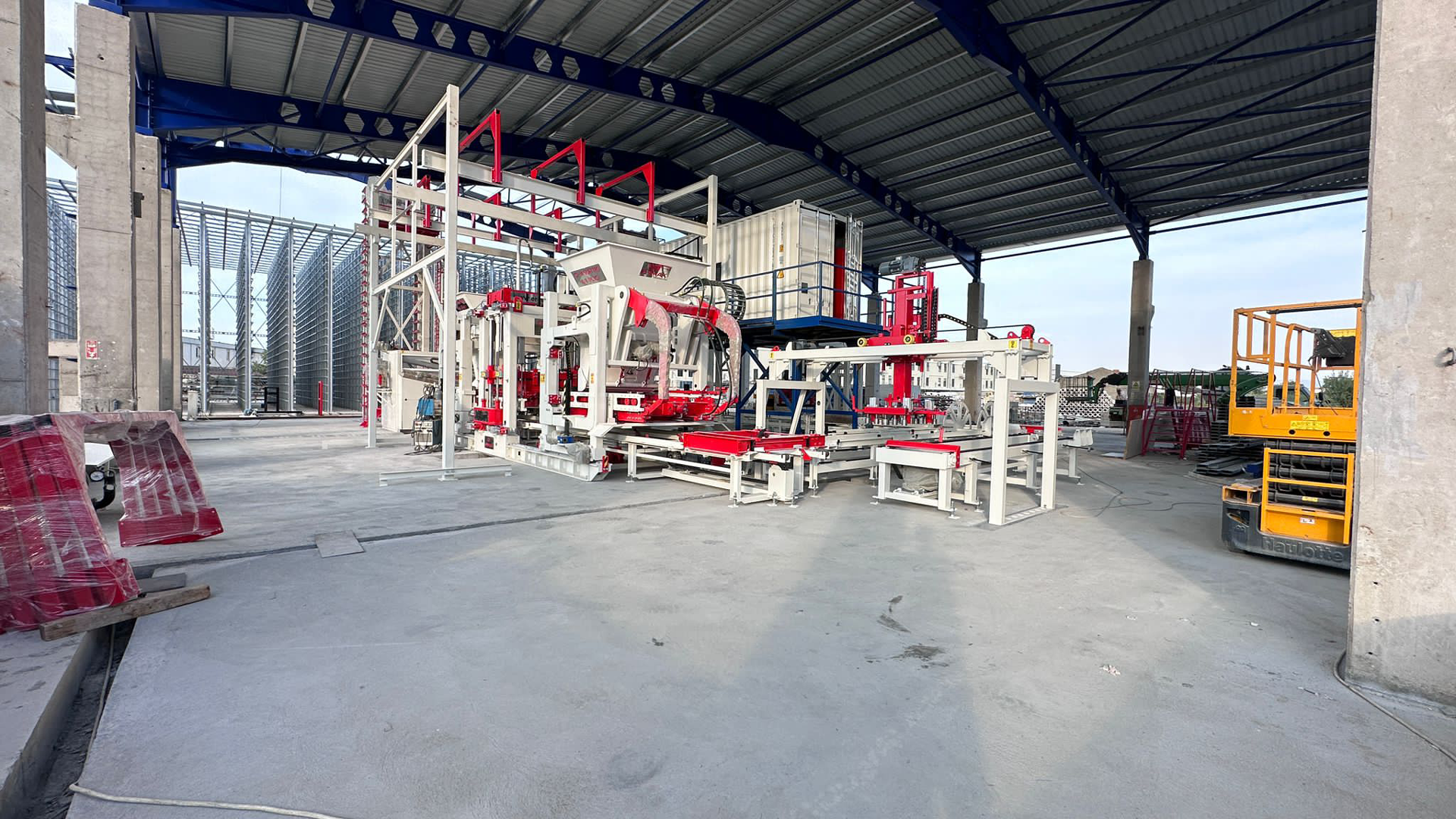
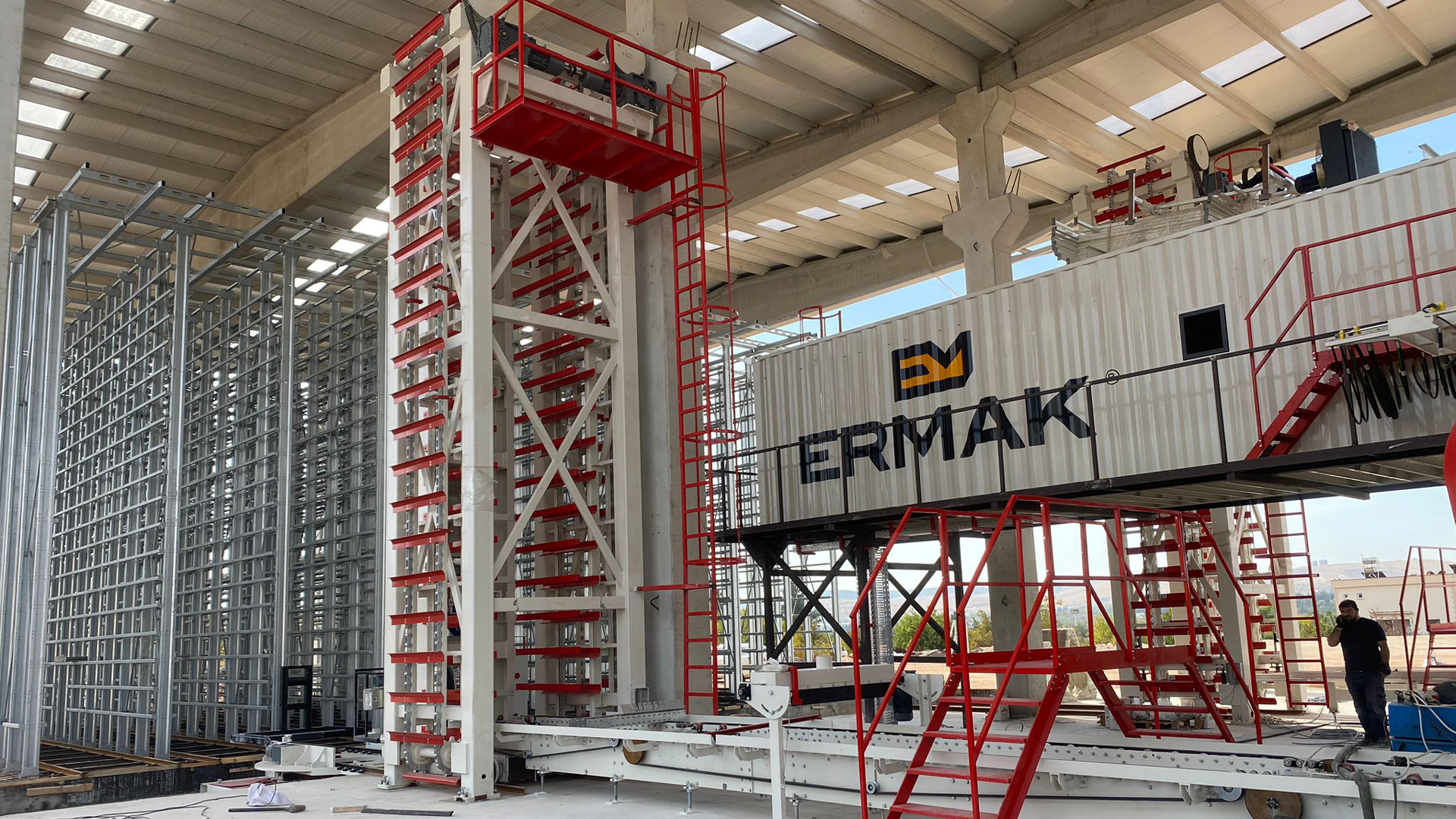
The same principle applies to complete production lines. If the block machine interfaces with wet-side transport, curing systems, pallet return or dry-side equipment, the final documentation should clearly represent the boundaries and interfaces of the supplied system. Keeping drawings aligned with the physical machine makes future service and modification much easier while also strengthening the conformity record.
Electrical Documentation Is a Critical Part of the Package
A modern concrete block machine depends heavily on electrical and automation systems. Electrical drawings should therefore reflect the actual control panel, field devices, motors, sensors, emergency stops and other relevant equipment installed on the machine. Changes performed during commissioning should not remain undocumented if they alter the final configuration.
Clear electrical documentation is particularly valuable several years after installation. When a sensor, drive, HMI or PLC component needs troubleshooting, technicians should be able to identify the relevant circuit and machine function without reverse-engineering the installation. Good CE documentation therefore provides practical maintenance value in addition to regulatory value.
PLC, HMI and Safety Functions Need to Match the Final Design
Automation documentation should also remain consistent with the machine’s actual safety and operating logic. If opening a safety guard is intended to stop specific hazardous movements, the physical guard, safety device, PLC or safety controller logic and electrical drawings should all correspond with that intended behaviour. The same applies to emergency stops, restart conditions and operating modes.
This becomes especially important when software changes are made during FAT, SAT or site commissioning. Changes that affect machine behaviour should be controlled and documented so that the final technical record accurately represents the machine in service. For long-life industrial machinery, controlled software versions and backups can become just as valuable as mechanical drawings.
Safety Guards and Access Areas Must Be Considered as a System
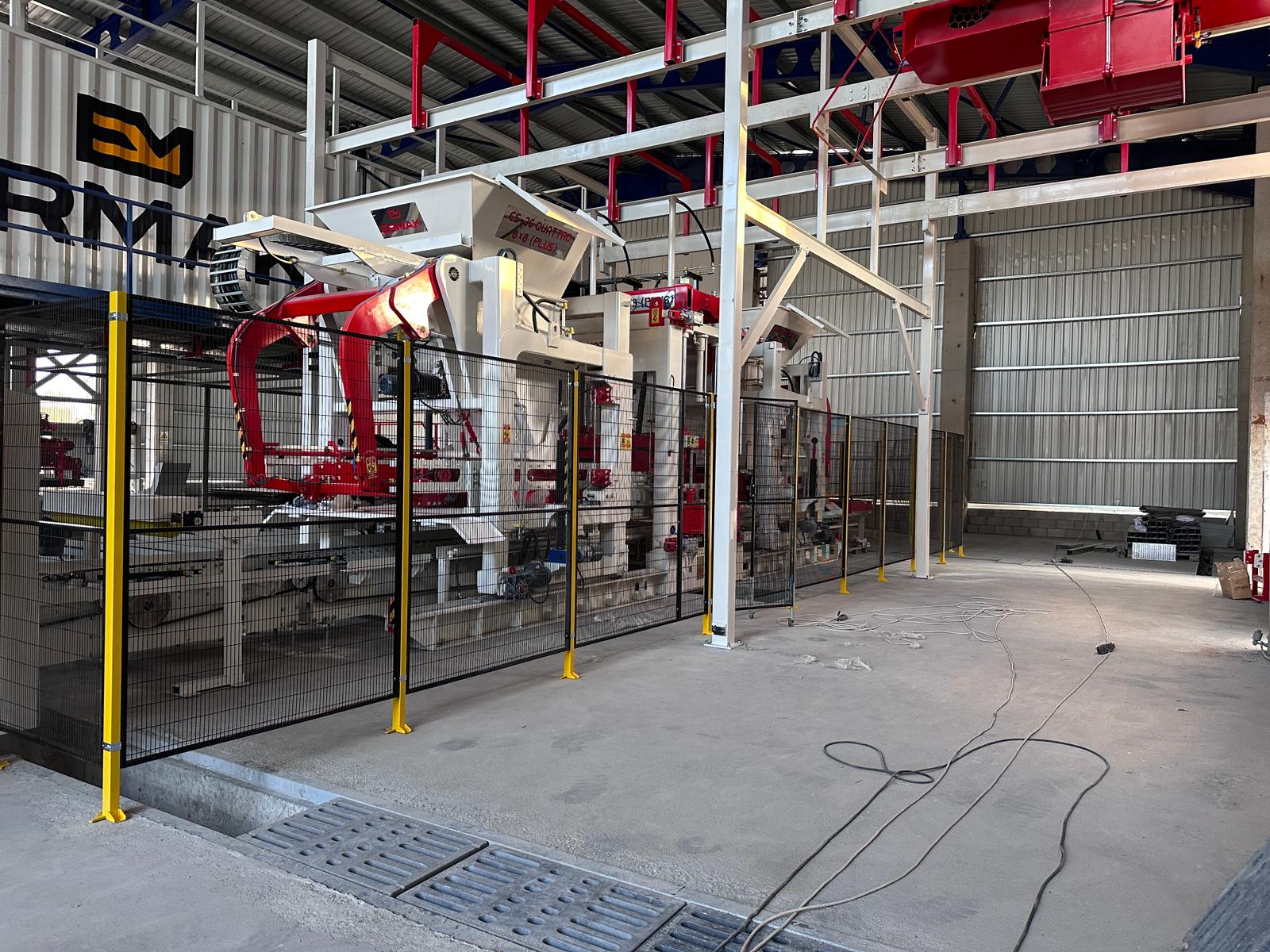
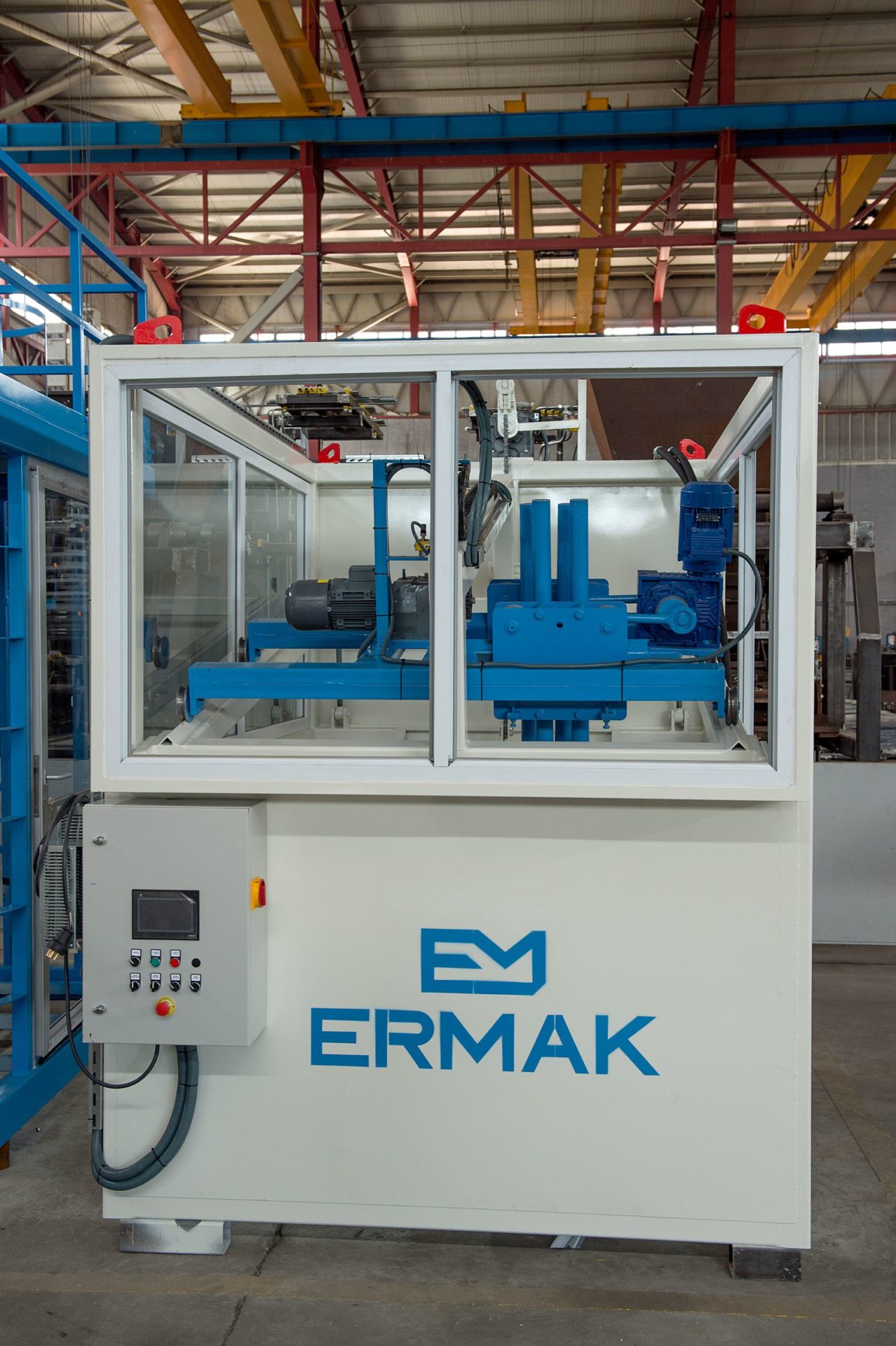
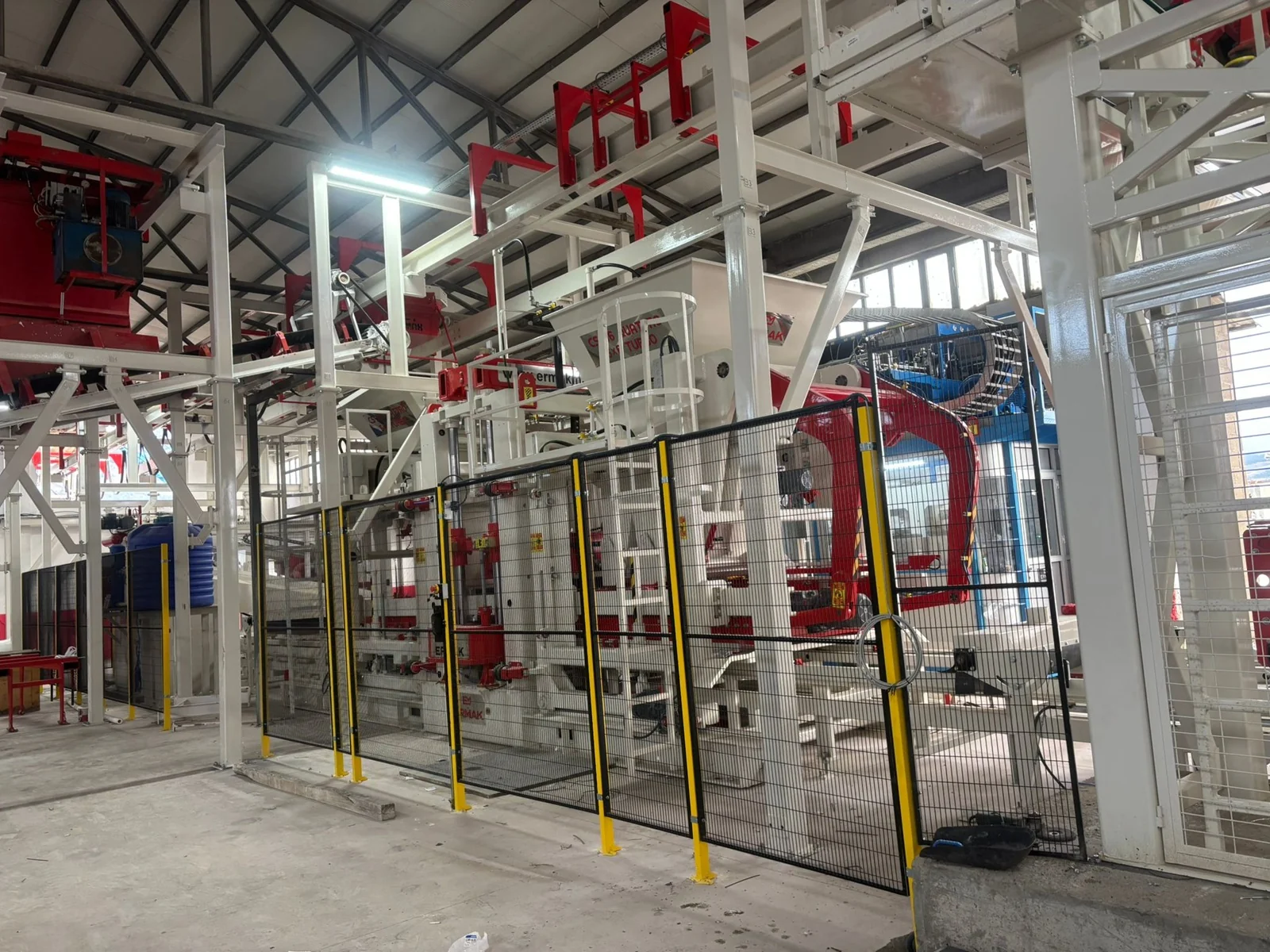
Concrete block production machinery includes multiple moving areas where operators may need access for mould changes, cleaning or maintenance. Guarding should therefore be designed according to actual operating requirements rather than simply surrounding the machine with fencing. Access doors, interlocks and restart procedures need to work together as part of a defined safety concept.
Complete production lines require an even broader view. The main machine may stop correctly when a safety device is activated, but connected equipment also needs to behave safely according to the intended system design. This is why machinery safety should be assessed at interfaces between equipment rather than assuming that individually safe machines automatically create a safe complete line.
Harmonised Standards Support the Conformity Process
Relevant European harmonised standards can provide an important technical route for addressing applicable safety requirements and demonstrating conformity. Depending on the machinery, standards may cover areas such as risk assessment, electrical equipment, safety-related control functions, guards and other machine-specific requirements.
However, copying a long list of standards into a declaration without verifying their relevance is not good technical practice. The applicable standards should be identified for the specific machine configuration, and the engineering design should genuinely reflect the requirements being claimed. Because standards and their harmonised status can change over time, the applicable list should be checked for each project rather than automatically reused from an old machine file.
Test and Verification Records Strengthen the Technical File
Machine testing provides evidence that the design performs as intended. Depending on the project and the applicable requirements, this may include electrical checks, safety-function verification, mechanical inspections, hydraulic tests and functional testing of the machine. Where production tests are performed, records of machine behaviour and basic product consistency can also support the broader quality process.
These records do not replace risk assessment or the conformity process, but they can provide valuable supporting evidence. A technical file is stronger when the manufacturer can demonstrate not only what was designed, but also how important machine functions were checked before delivery.
FAT Records Can Support the Documentation Process
Factory Acceptance Testing and CE conformity are not the same process, but they complement each other. FAT allows the completed machine to be inspected before shipment and provides an opportunity to verify mechanical movements, PLC and HMI functions, alarms, sensors and agreed safety functions. Any open items can be recorded in a punch list and corrected before shipment where required.
For European projects, FAT is particularly useful because many problems are significantly easier to correct while the machine is still inside the manufacturer’s factory. The FAT report can also become part of the project’s quality and acceptance record, creating a clear link between the manufactured equipment and the machine later installed at the customer’s facility.
SAT Confirms the Machine in Its Real Operating Environment
Site Acceptance Testing takes place after shipment and installation. At this stage, the machine is connected to the customer’s real electrical supply, batching system and auxiliary equipment, so integration issues that could not be observed during FAT may become visible. Safety functions affected by installation should also be checked again where appropriate.
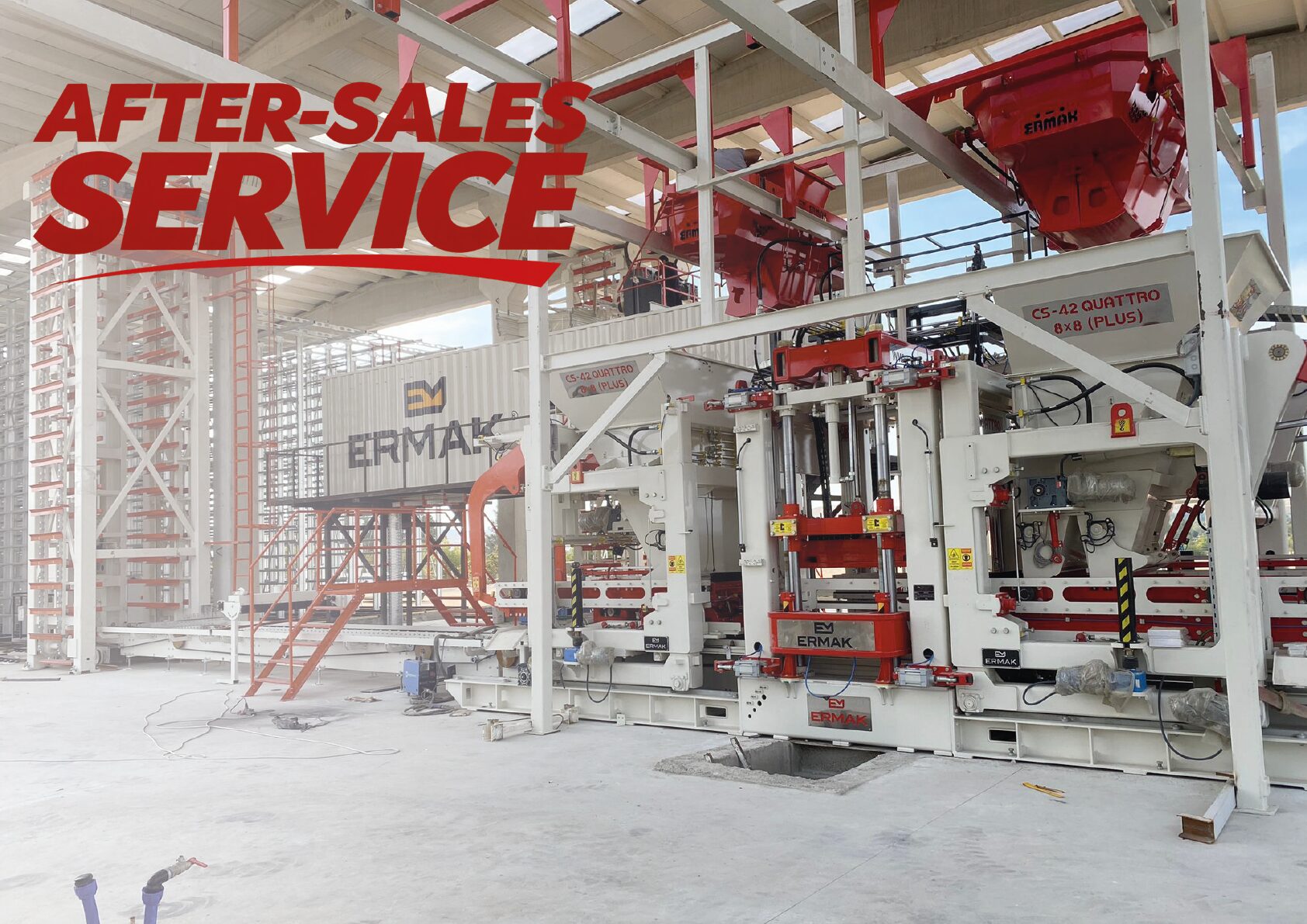
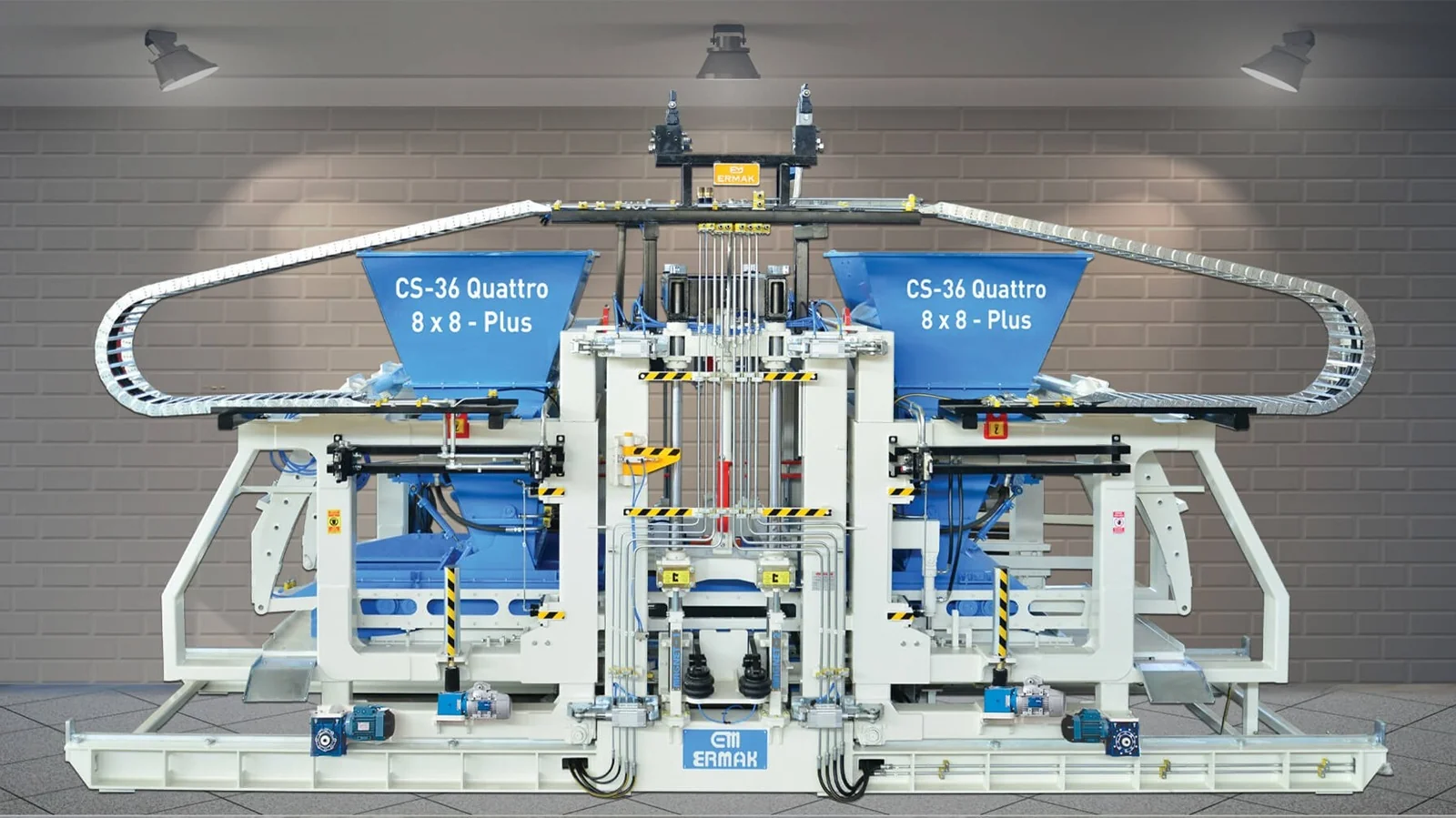
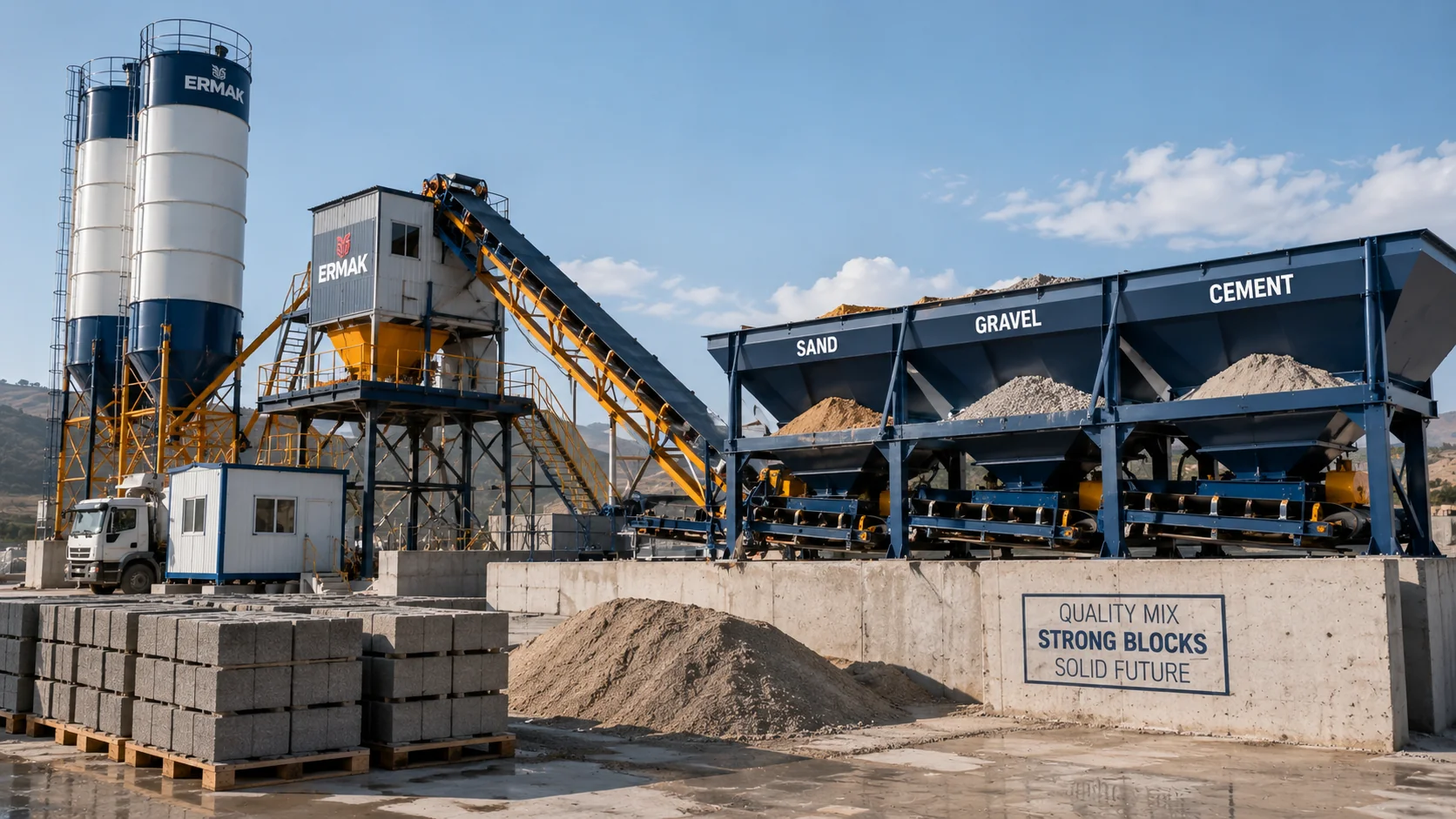
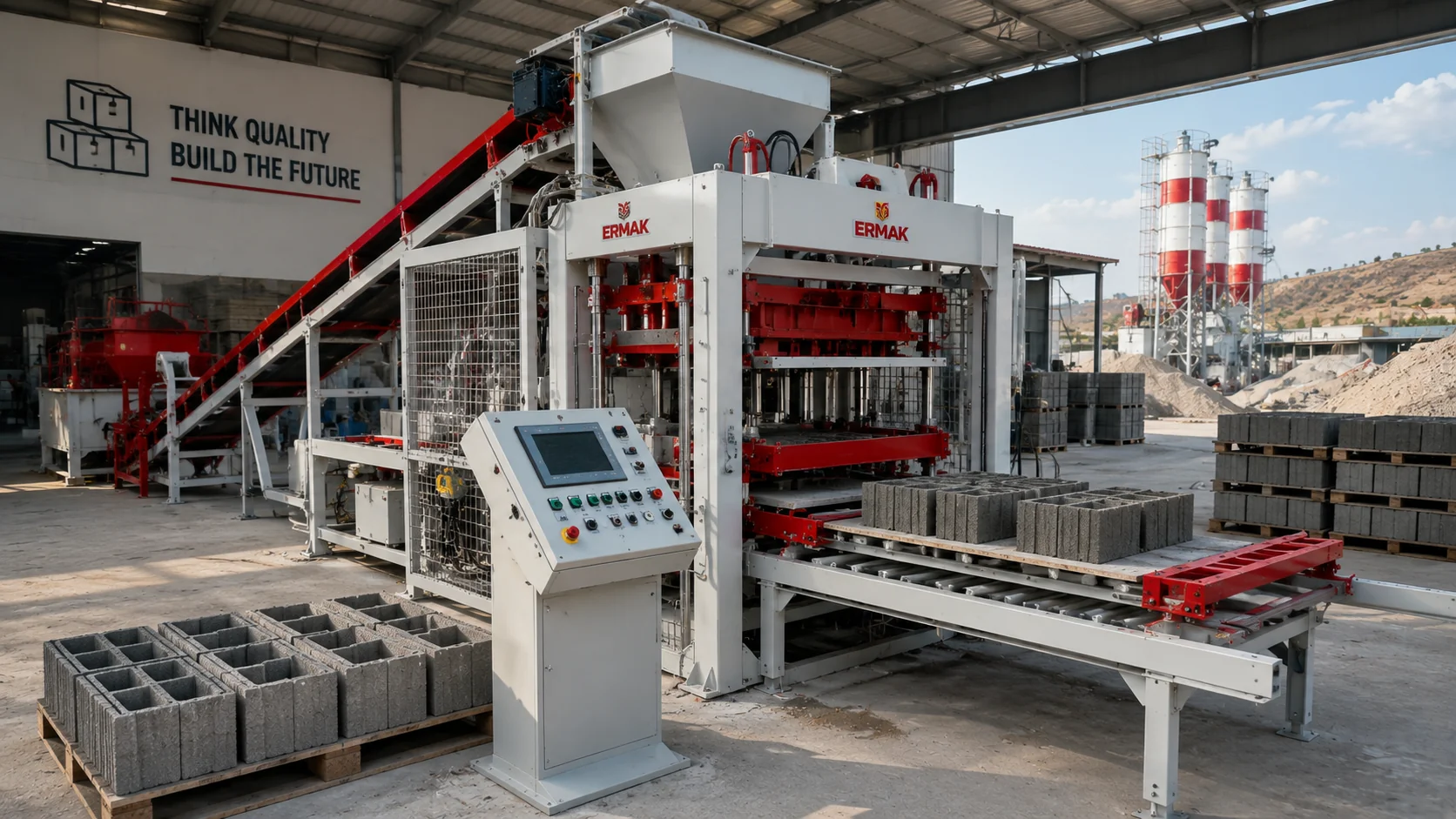
For complete concrete block production plants, SAT can include integration of the batching plant, wet-side handling, curing, dry-side systems and pallet return. If the project includes a high-capacity system such as the Quattro 8X8 Plus concrete block machine, verifying the interfaces around the main machine is important because overall plant performance depends on the complete production flow rather than the block machine alone.
Operating Instructions Must Match the Market
Machinery supplied under the current Machinery Directive must be accompanied by instructions in the official language or languages required by the Member State where it is placed on the market or put into service. Where the original instructions are not in the required language, the applicable translation requirements need to be followed.
The instructions should be practical rather than generic. They should describe intended use, relevant safety information, operation, adjustment and maintenance to the extent required for the machinery. A manual that describes a standard machine but ignores options actually installed on the delivered equipment creates problems for both conformity and future maintenance.
Machine Marking Must Correspond with the Documentation
The machine identification plate should correspond with the technical documentation and declaration. Under the current Machinery Directive, required marking includes information such as the manufacturer, machinery designation, series or type, serial number where applicable, year of construction and CE marking.
Serial-number control is especially important in project machinery. Over several years, machines with the same commercial model name may use different automation components or project-specific options. Linking technical records, spare parts and software versions to the correct serial number makes future service considerably more reliable.
The Declaration of Conformity Should Be Treated as a Final Technical Document
The declaration of conformity is not the starting point of the CE process. It is one of the outputs produced after the manufacturer has completed the relevant conformity work. Under the current Machinery Directive, the declaration identifies the manufacturer and machinery and includes the relevant conformity information required by the Directive.
For projects falling under the new Machinery Regulation from 20 January 2027, the terminology and applicable requirements need to follow Regulation (EU) 2023/1230. The new framework requires manufacturers to prepare the technical documentation, complete the appropriate conformity assessment, draw up the EU Declaration of Conformity and affix the CE marking when conformity has been demonstrated.
Other Applicable EU Requirements Should Also Be Evaluated
A concrete block machine should not be evaluated by looking at machinery legislation in isolation and automatically assuming that no other European requirements apply. Depending on the machine configuration, electrical equipment, radio functions or other systems may bring additional legislation into the conformity assessment.
The correct approach is to identify applicable legislation project by project. The resulting declaration and technical documentation should reflect the actual configuration rather than copying a standard list from a previous machine.
Complete Lines Require Clear Responsibility Boundaries
European projects may involve equipment supplied by several manufacturers. The main concrete block machine may come from one supplier while conveyors, batching systems or packaging equipment are provided by others. In such cases, responsibility for interfaces and final line integration should be clarified during the project rather than after installation.
This becomes particularly important when individual machines are combined into a larger production system. Emergency-stop zones, safety fencing, control interfaces and line-level risks can cross supplier boundaries, so conformity planning should identify who is responsible for the final integrated system and which documentation each supplier must provide.
Changes After Delivery Need Technical Control
Industrial machinery often changes during its operating life. A customer may add a new conveyor, modify guarding, update the PLC or connect another production system. Some modifications may be relatively minor, while others can affect the machine’s original risk assessment or conformity situation.
For this reason, technical modifications should be documented and reviewed before implementation. The European Commission’s CE guidance also notes that post-sale modifications may affect the original conformity status, so significant changes should not be treated as ordinary maintenance without considering their technical implications.
Documentation Must Remain Available Over the Long Term
CE documentation is not intended to disappear after commissioning. EU guidance requires technical documentation supporting CE conformity to be retained and kept available for the relevant period; the general EU guidance states at least 10 years, while the new Machinery Regulation also requires technical documentation and the EU Declaration of Conformity to be kept available to authorities for at least 10 years after machinery is placed on the market or put into service.
For the manufacturer, long-term document control also has a practical benefit. When a customer requests technical support years later, the original machine configuration, electrical documentation and component records can be identified much faster if the project archive has been maintained correctly.
A Practical CE Documentation Package
While the exact content depends on the project and applicable legislation, a European concrete block machinery project will typically require the manufacturer to manage documentation covering:
- machinery identification and final configuration; risk assessment and applicable safety requirements; relevant mechanical and control drawings; electrical and automation documentation; applicable standards and conformity evidence; test and verification records; operating and maintenance instructions; machine marking information; the applicable Declaration of Conformity; and controlled records of significant changes made before final delivery.
The important point is not simply whether each document has a filename. The documents need to correspond with each other and with the actual machine being delivered.
CE Documentation Should Be Developed Together with the Machine
The most efficient approach is to build conformity documentation throughout the project. Risk assessment should influence design, drawings should be updated as engineering changes occur and safety functions should be verified during machine testing. By the time FAT is performed, most of the technical documentation should already represent the final machine rather than being reconstructed afterward.
This approach reduces the possibility of inconsistencies between the physical machine, drawings and final declaration. It also makes last-minute European deliveries easier because the documentation process is not waiting until the machine has already been packed for shipment.
Ermak Makine’s Approach to European Projects
At Ermak Makine, European concrete block machinery projects are considered as complete technical deliveries in which mechanical design, automation, safety, testing and documentation need to support each other. The objective is not simply to prepare paperwork for a CE mark, but to ensure that the delivered machine and its technical records correspond with the project configuration.
Buyers evaluating different machine sizes and production line arrangements can review our concrete block machine and complete production line catalogs during the project planning stage. This makes it easier to define the main machine, batching, curing and dry-side scope before the conformity documentation and installation interfaces are finalized.
Good Documentation Reduces Risk for Both Manufacturer and Buyer
A well-prepared CE file protects more than regulatory compliance. It gives the manufacturer a controlled technical history of the machine and gives the customer better information for safe operation, maintenance and future modifications. It also reduces uncertainty during FAT, SAT and commissioning because the intended machine configuration and safety concept have already been documented.
For European concrete block machinery projects, the strongest approach is therefore to treat CE documentation as an engineering process that begins during machine design and continues through manufacturing, testing and final delivery. Companies preparing a new block, paver or kerbstone project for Europe can contact Ermak Makine to discuss machine configuration, production capacity and project documentation requirements.
Frequently Asked Questions
Does CE marking mean that a third party has certified the concrete block machine?
Not necessarily. The required conformity assessment route depends on the machinery and applicable legislation. CE marking represents the manufacturer’s declaration that the applicable requirements have been met after completing the relevant conformity process.
Which machinery legislation applies in Europe in 2026?
As of October 2026, Machinery Directive 2006/42/EC remains applicable. Regulation (EU) 2023/1230 applies from 20 January 2027 and replaces the Directive from that date.
What is included in a machinery technical file?
The exact content depends on the machine, but it can include the general machinery description, relevant drawings, control circuit information, detailed technical evidence, risk assessment and necessary test or calculation records.
Is the operating manual the same as the technical file?
No. The operating manual is information supplied for the safe use and maintenance of the machinery. The technical file is a broader conformity record maintained to demonstrate that the machine meets the applicable requirements.
Does the manual need to be translated for the European destination country?
Under the current Machinery Directive, machinery must be accompanied by instructions in the official language or languages required by the Member State where the machinery is placed on the market or put into service.
Are FAT and CE the same process?
No. FAT is an acceptance and verification activity between the project parties, while CE relates to regulatory conformity. FAT records can support the wider quality and technical documentation process, but FAT does not replace conformity assessment.
Does SAT affect CE documentation?
SAT does not replace the CE process, but site installation can affect interfaces, guards and safety functions. Significant commissioning changes should therefore be controlled and reflected in the final technical records where necessary.
How long should CE technical documentation be retained?
EU CE guidance generally requires the supporting technical documentation to remain available for at least 10 years, and Regulation (EU) 2023/1230 also specifies a minimum 10-year period for machinery technical documentation and the EU Declaration of Conformity.
What is the most important principle for CE documentation?
The most important principle is consistency. The risk assessment, drawings, electrical documentation, manuals, safety functions, machine identification and conformity declaration should all describe the same machine that is actually supplied to the customer.