The price of a concrete block machine cannot be evaluated correctly from the main machine figure alone. Two quotations may appear to describe similar equipment while covering completely different production capacities, mould packages, batching systems, automation levels, installation services and after-sales support. A lower initial quotation can therefore become the more expensive project once the missing equipment and services are added.
For investors planning a concrete block, paver, curbstone or hollow block plant, the practical question is not simply “How much does the machine cost?” It is “What exactly will this investment produce, what is included in the quotation, and what additional costs will be required before commercial production begins?”
A well-prepared quotation should make those answers visible. The following approach helps buyers compare offers on a technically consistent basis rather than choosing between headline prices that may represent very different projects.
Start With the Product You Intend to Manufacture
A meaningful quotation begins with the product portfolio. Standard concrete blocks, hollow blocks, interlocking pavers, curbstones, grass stones and other precast products do not create the same machine configuration or production capacity.
The buyer should provide the manufacturer with the main product dimensions, expected product mix and, where possible, estimated annual demand. If pavers will account for most of the production but curbstones will also be manufactured regularly, both product families should be considered when selecting the machine and designing the line.
This information affects mould selection, production height, cycle time, batching capacity, curing requirements and dry-side equipment. A quotation prepared without a defined product portfolio usually contains more assumptions and is therefore less useful for investment comparison.
Compare Capacity Using the Same Reference Product
One of the most common mistakes in quotation comparison is placing different nominal capacity figures next to each other without understanding how they were calculated.
A supplier may quote production in pieces per hour, another in pieces per eight-hour shift and another in square metres. These numbers become meaningful only when the reference product, number of products per mould and expected cycle time are known.
For each important product, the quotation should ideally identify the expected output under defined production conditions. For pavers, m² per hour or m² per shift can be more useful than pieces. For curbstones, pieces or linear metres may be more commercially relevant.
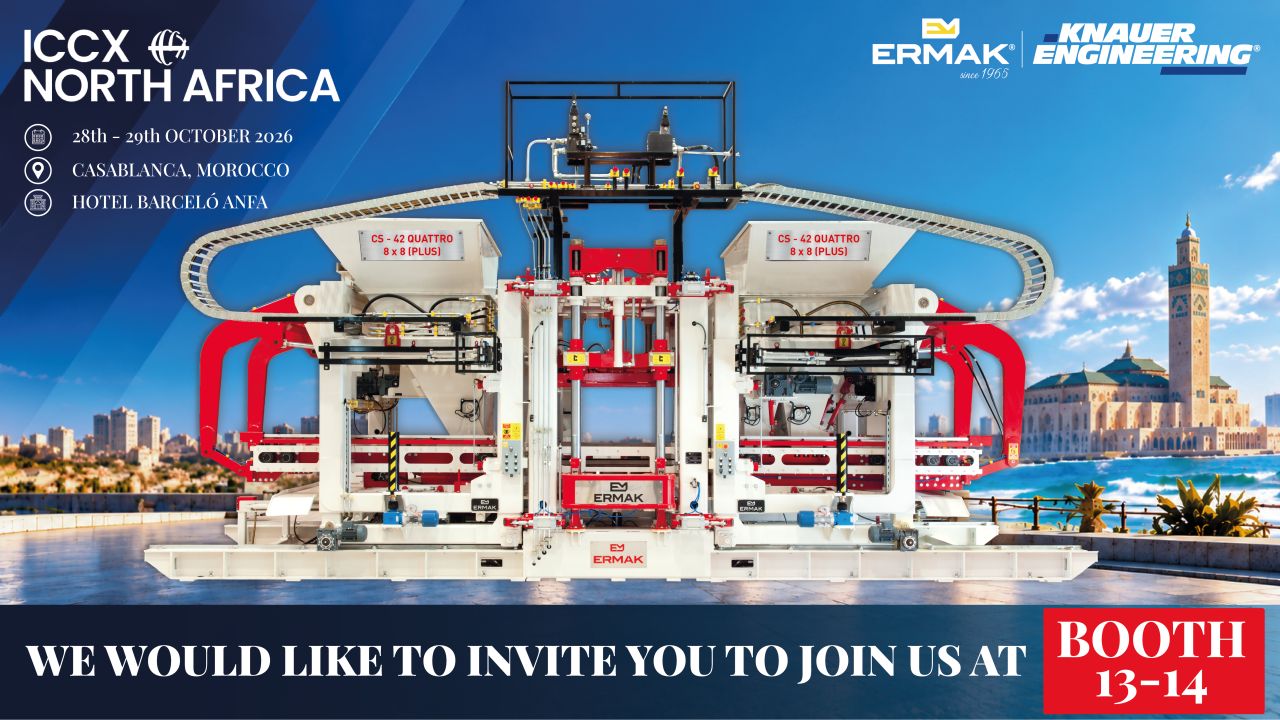
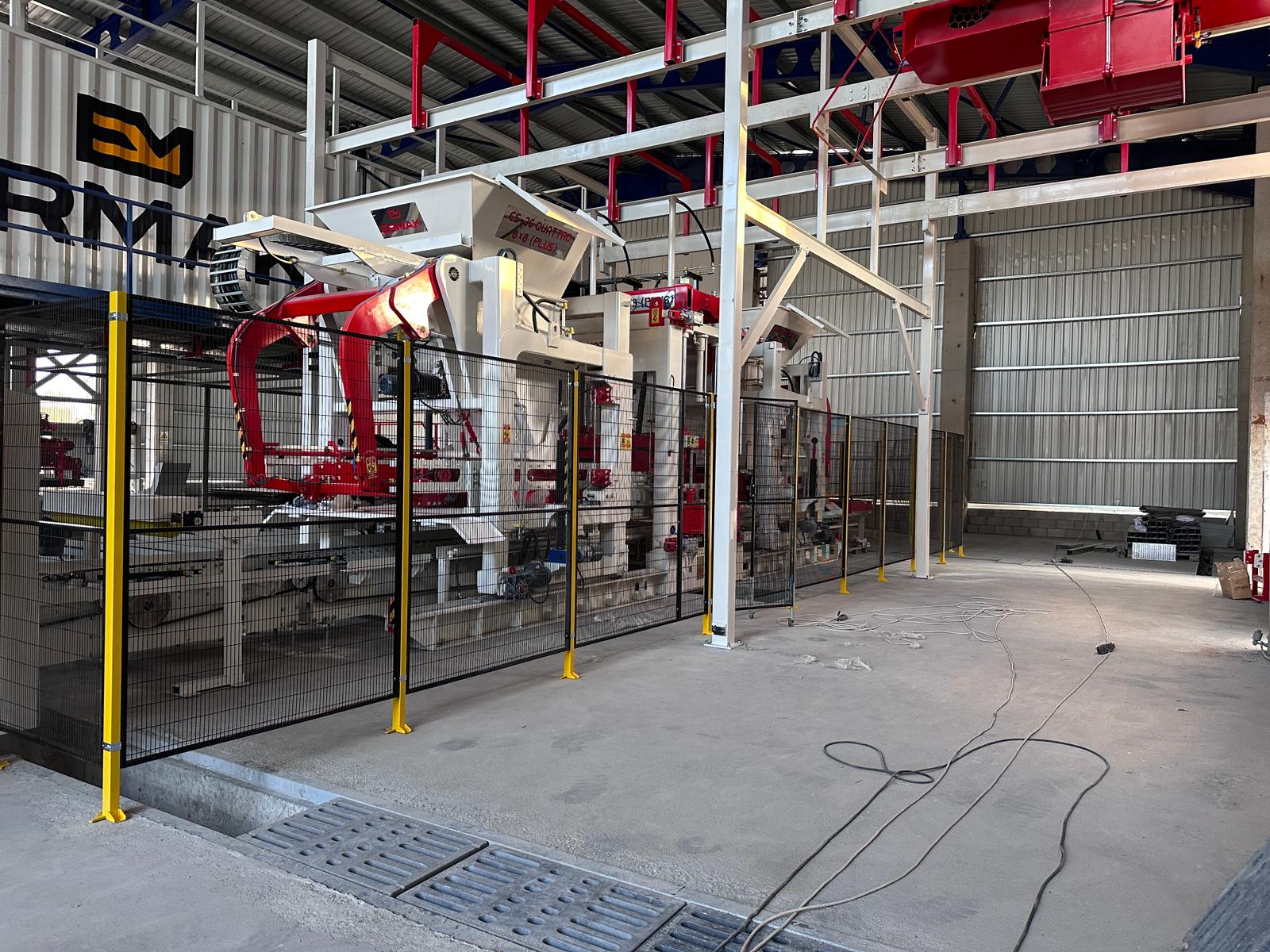
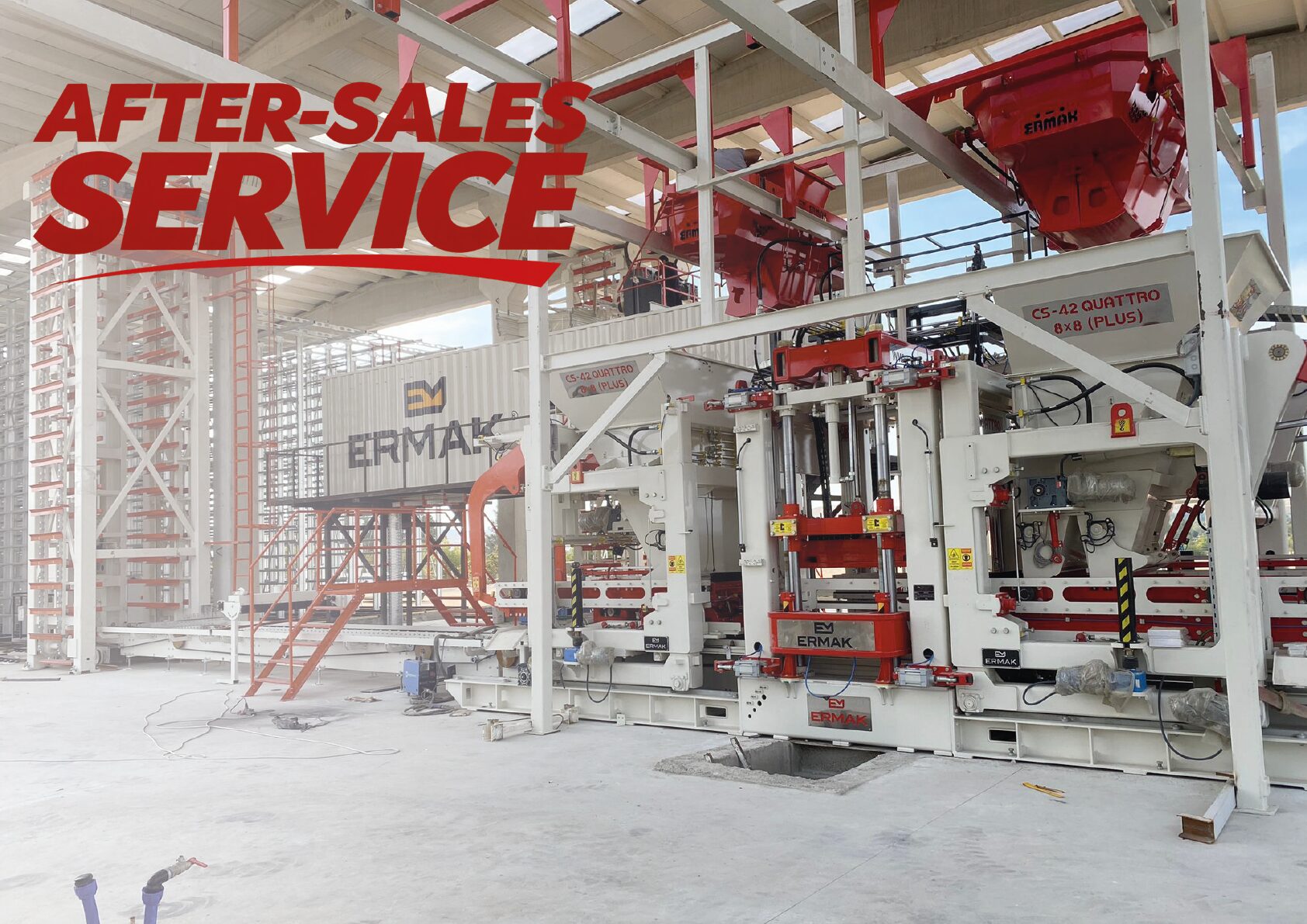
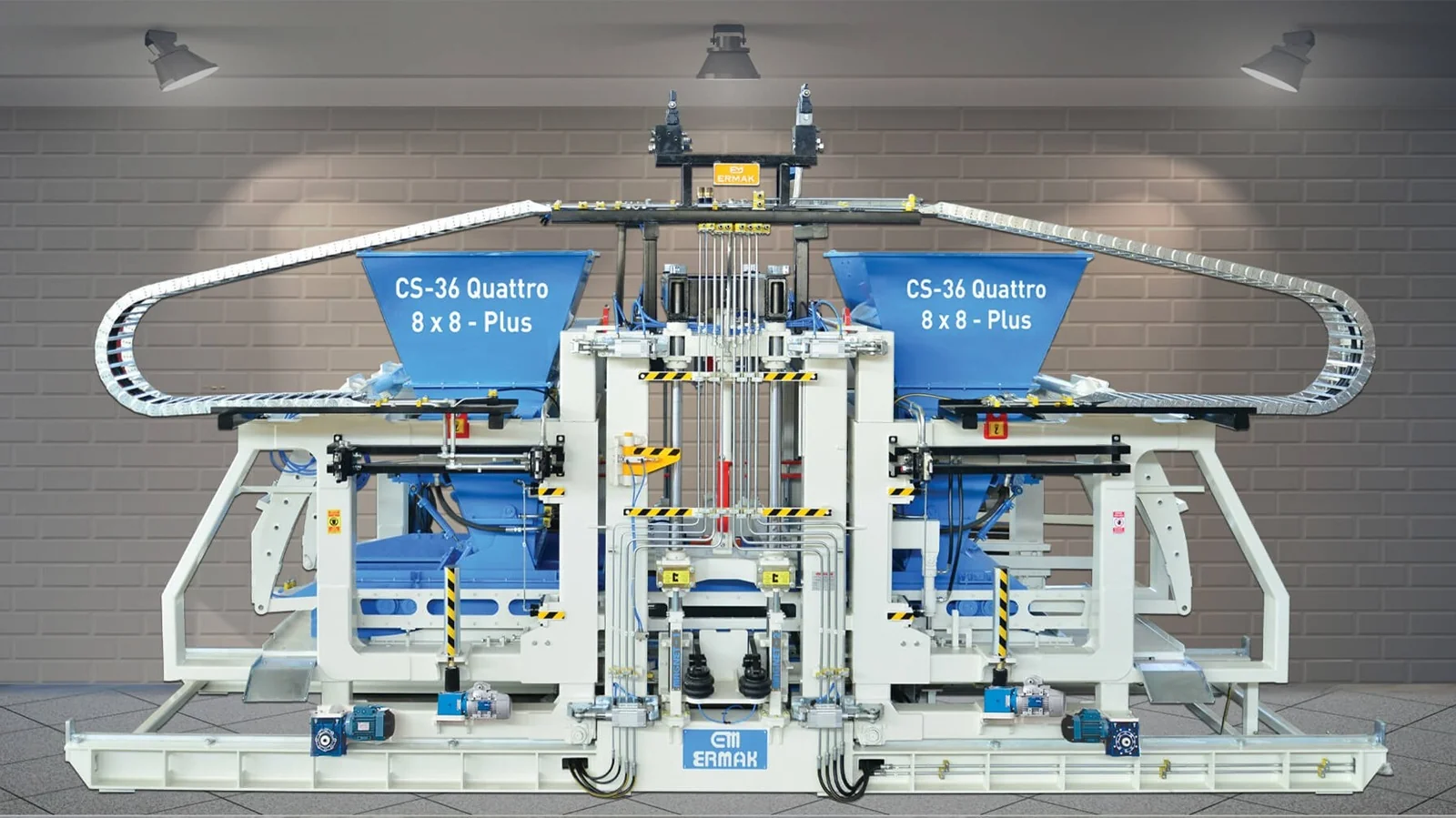
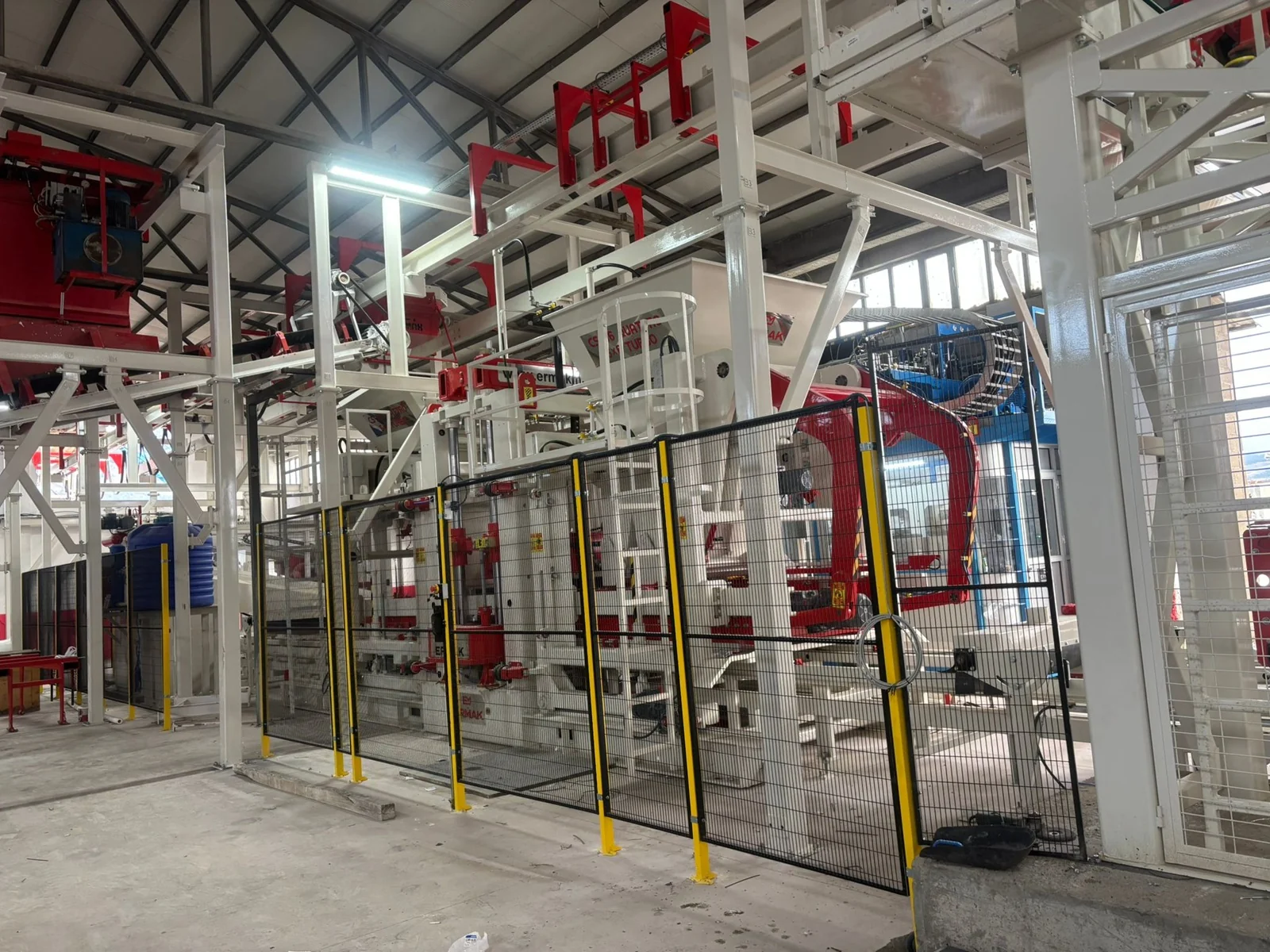
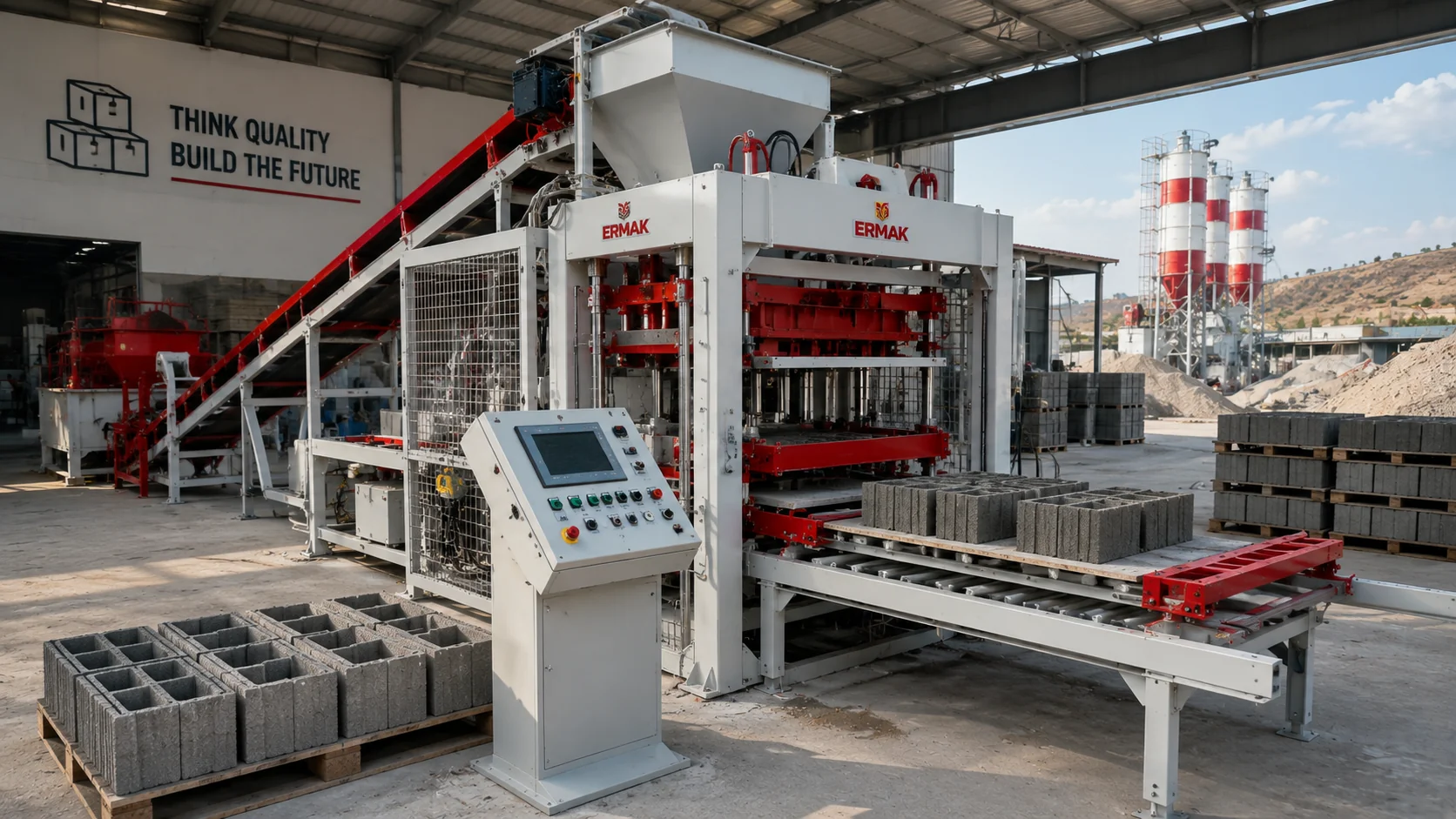
When reviewing a high-capacity platform such as the Quattro 8X8 Plus concrete block machine, the machine’s production potential should also be considered together with the capacity of the batching, curing and dry-side systems. The main press cannot deliver sustainable plant output if another section of the line becomes the bottleneck.
Ask Whether Capacity Is Theoretical or Sustainable
The fastest mechanically possible cycle is not necessarily the cycle that can be maintained during normal commercial production. Concrete feeding, vibration, compaction, pallet transfer and product quality all influence the sustainable cycle time.
A quotation should therefore distinguish between maximum technical performance and expected operating performance. If a capacity figure is based on an extremely short cycle, the buyer should ask whether that cycle can be maintained while meeting the required product quality.
The useful production figure is ultimately the number of saleable products produced over a shift, not the highest cycle displayed during a short demonstration.
Review Production Pallet Size and Product Height Range
Production pallet dimensions strongly influence the number of products that can be manufactured in each cycle. A larger production area may increase output for some products, but it can also affect mould cost, handling systems, curing capacity and production pallet investment.
The quotation should clearly state the production pallet dimensions and the supported product height range. This becomes particularly important when the plant is expected to produce both thin paving stones and taller concrete blocks or curbstones.
A machine that meets today’s product requirement but cannot accommodate the investor’s planned future products may create an expensive limitation later. Product flexibility therefore deserves consideration alongside current production capacity.
Define Exactly Which Moulds Are Included
Mould scope is one of the easiest areas for quotations to become misleading. A machine may be priced with one mould, without any mould, or with a specific standard mould that is not the product the buyer intends to manufacture.
The quotation should identify which mould or moulds are included and whether the quoted scope includes the complete mould box and tamper arrangement. Prices and estimated lead times for additional moulds should also be available when several product types are planned.
Mould change requirements deserve attention as well. A plant producing many products may lose significant production time if every mould change requires lengthy mechanical adjustment. In such factories, changeover efficiency can be more economically important than a small difference in maximum machine speed.
Evaluate the Batching and Mixing System as Part of the Machine Price
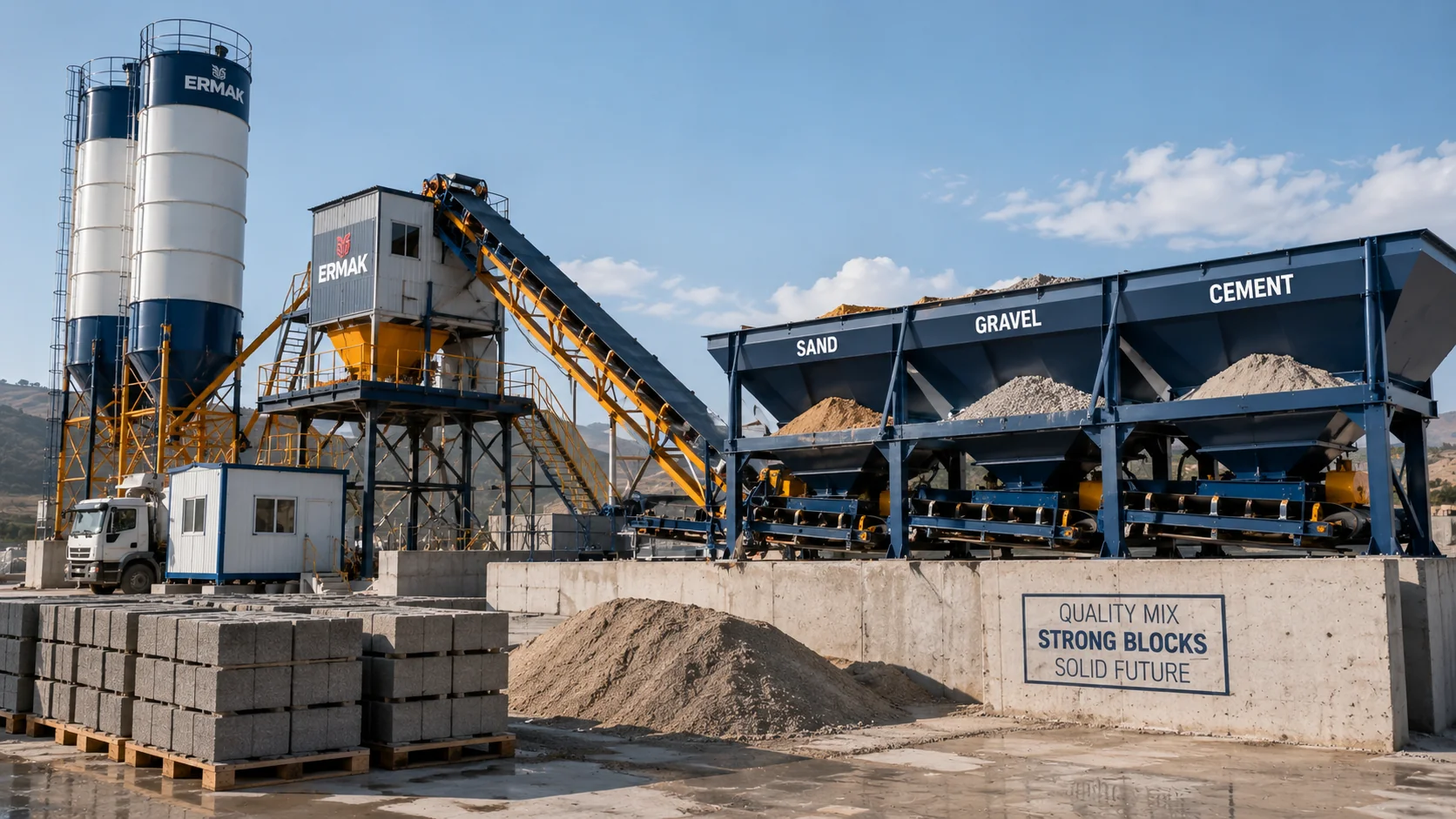
A concrete block machine cannot operate at its intended capacity without a batching plant capable of supplying consistent concrete at the required rate. The quotation should therefore describe the mixer, aggregate storage and dosing system, cement feeding, water dosing and admixture equipment included in the project.
Mixer capacity should not be evaluated from nominal volume alone. Batch size, mixing cycle and the actual concrete demand of the block machine should be considered together.
If face-mix pavers are part of the product portfolio, the buyer should also verify whether a separate face-mix preparation and feeding system is included. A quotation for a basic single-layer plant should not be compared directly with a quotation designed for double-layer decorative production.
Make the Wet Side, Curing and Dry Side Scope Visible
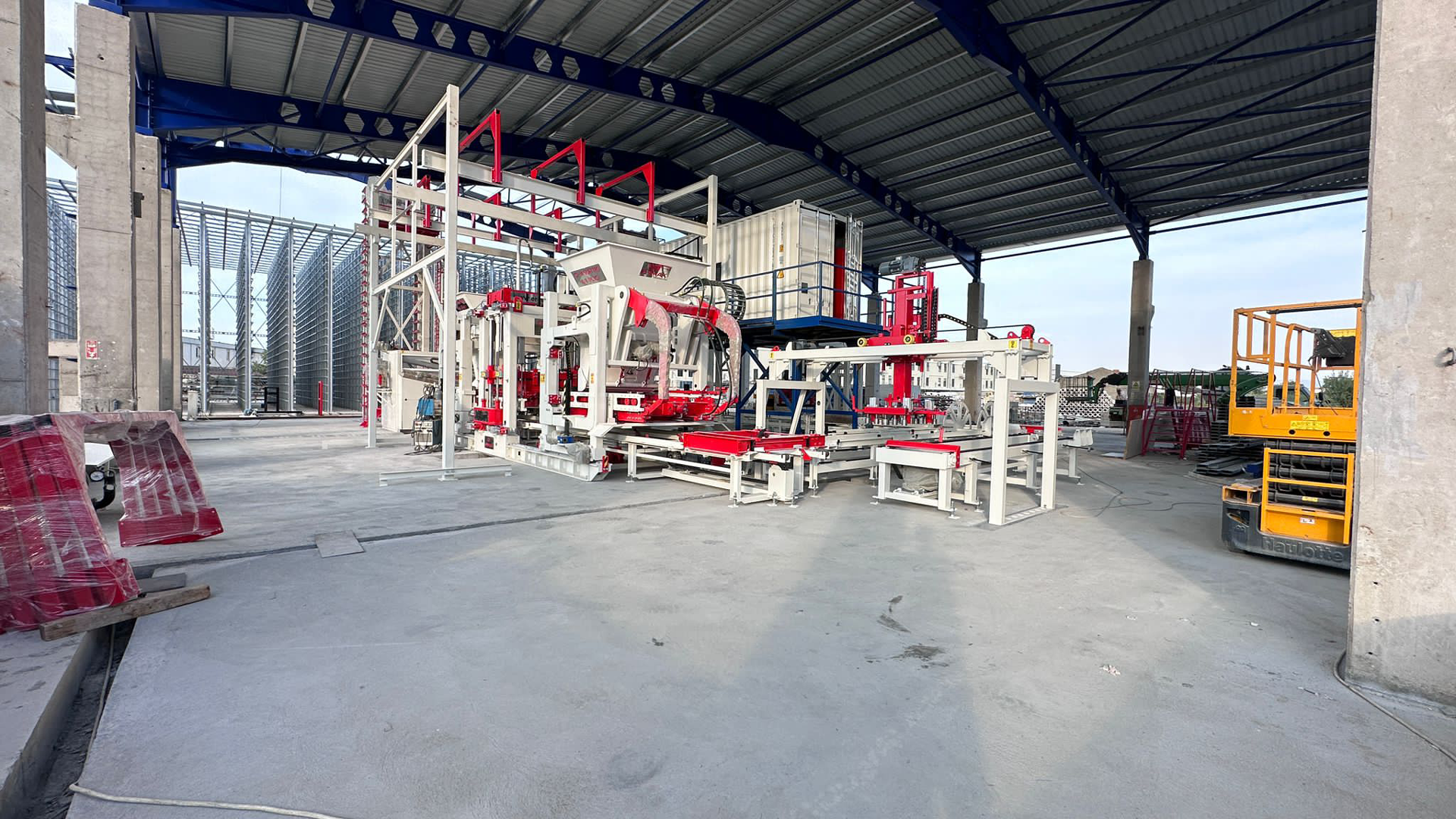
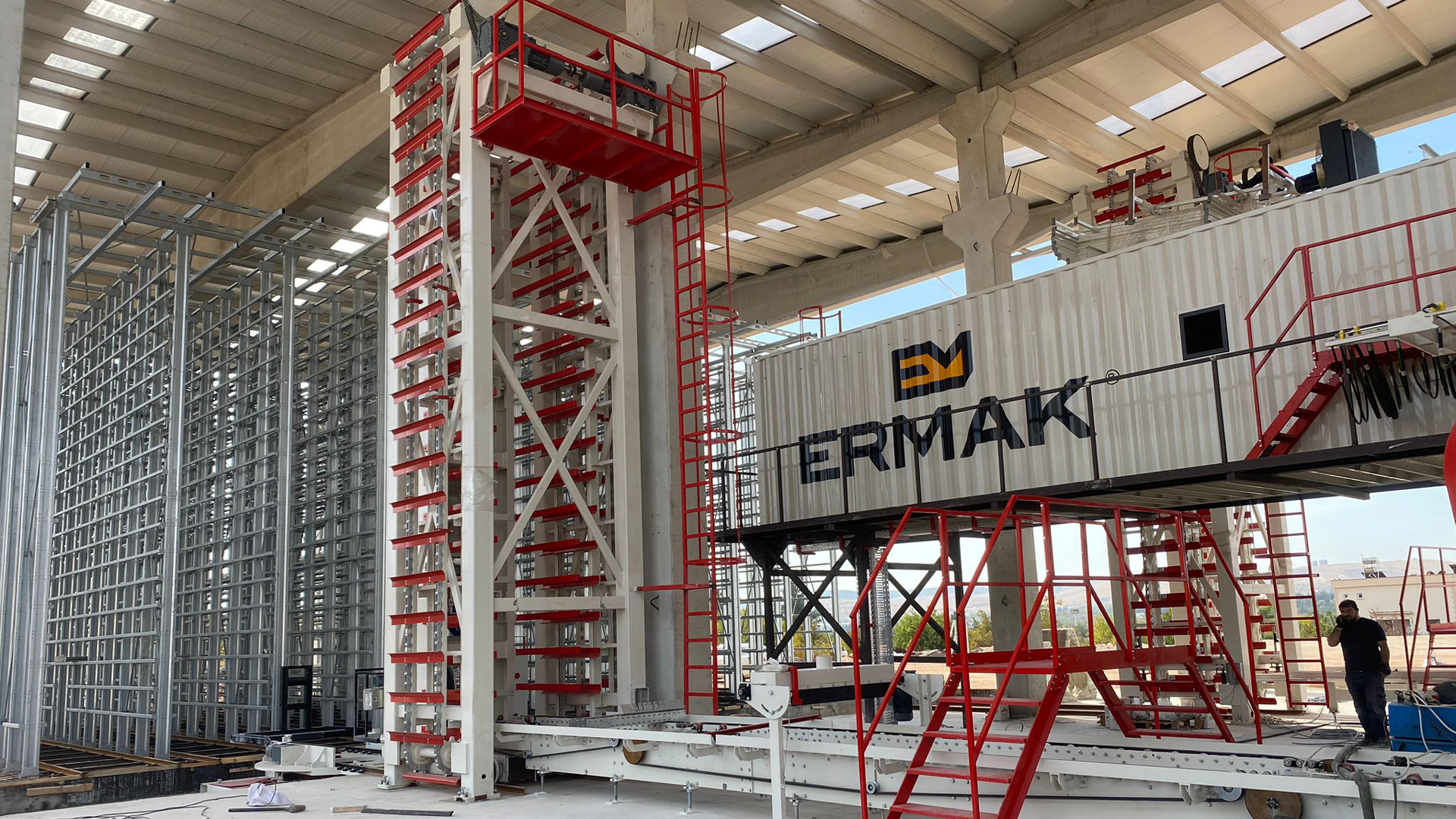
The main machine represents only one part of a complete concrete products plant. Fresh products must be transported away from the press, moved into curing, removed after curing and transferred toward cubing and packaging.
For this reason, the quotation should identify which wet-side conveyors, elevators, transfer systems, curing rack components, lowerators or equivalent systems are included. The dry-side scope should be equally clear.
A high-capacity press combined with an undersized curing or dry-side system will not produce a high-capacity factory. Quotations should therefore be reviewed as production flows rather than as collections of individual machines.
Buyers who want to understand the relationship between the main machine and auxiliary equipment can review the available Ermak Makine catalogs while defining the required plant scope.
Clarify Cubing, Palletizing and Packaging
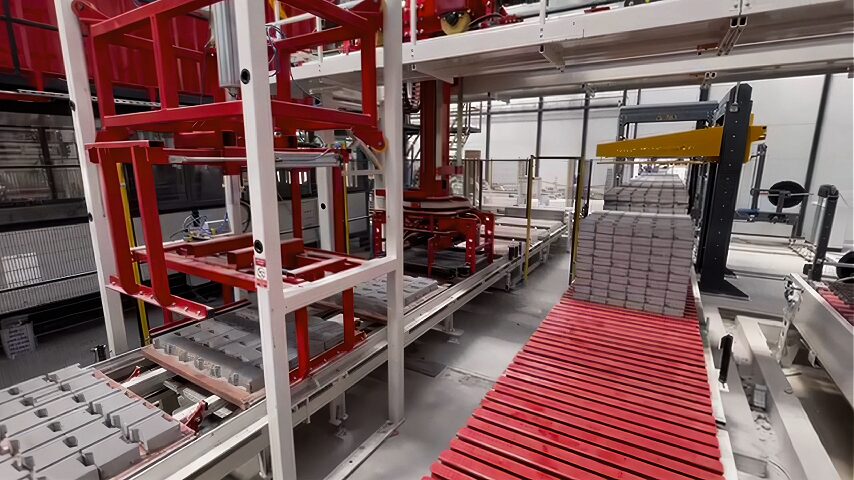
The point at which the supplier’s scope ends must be clearly defined. Some quotations may finish at the dry-side conveyor, while others include automatic cubing, commercial pallet dispensing, robotic handling, strapping or wrapping.
This difference can represent a substantial investment amount and can also change the number of operators required in the plant.
The quotation should explain how finished products are transferred from production pallets into saleable packs, whether commercial pallets are used, which product arrangements can be handled and which packaging equipment is included.
For plants with a broad product range, the flexibility of the cubing and packaging system should also be evaluated. A system optimized for one standard block may require significant modification for curbstones or decorative pavers.
Separate Installed Power From Real Energy Consumption
Total installed electrical power is necessary for planning the transformer and electrical infrastructure, but it should not be confused with actual energy consumption.
A machine with higher installed power can still produce a lower energy cost per unit if it delivers substantially greater saleable output. When possible, buyers should therefore ask for expected operating consumption under defined production conditions rather than comparing only total motor power.
The most useful energy indicators relate consumption to production: kWh per piece for blocks, kWh per square metre for pavers or another appropriate production unit.
Compressed air, batching equipment, conveyors and packaging systems should be included if the purpose is to compare complete plant energy requirements.
Understand What “Fully Automatic” Actually Includes
“Fully automatic” is not a standardized quotation description. One supplier may use the term for an automatically controlled block machine while another may include batching, curing transfer, dry-side handling, robotic cubing and packaging.
The quotation should therefore describe the automation architecture rather than relying on a marketing label.
Buyers should review the PLC and HMI scope, recipe management, alarm history, production counters, remote support capability and the degree of automatic coordination between the different sections of the plant.
The practical question is how many manual interventions remain during normal production and product changeover—not whether the word “automatic” appears in the proposal.
Check Utilities, Civil Works and Customer Responsibilities
A machine quotation can look complete until site preparation begins. Foundations, electrical supply, compressed air, water connections, drainage, silos, cranes, forklifts, cable trays and installation labour may be excluded from the manufacturer’s price.
These responsibilities should be visible in a dedicated scope or exclusions section.
The buyer should request information about the required electrical supply, compressed-air demand, water requirements, foundation loads and any pits or special civil works. A preliminary layout can be especially valuable because it allows the building and infrastructure budget to be developed before the equipment arrives.
The more clearly the supplier and customer responsibilities are divided, the lower the risk of unexpected costs during installation.
Define Installation, Commissioning and Training Before Comparing Prices
“Installation included” can mean very different things. A supplier may include complete mechanical and electrical installation, while another includes only supervision by one technician.
The quotation should state the number and type of personnel expected on site, estimated service days and whether flights, accommodation, local transportation, visas and local labour are included or excluded.
Commissioning should also be distinguished from mechanical installation. The plant must be adjusted, operated with real concrete and brought to a stable production condition.
Operator and maintenance training should be defined separately. Operators need to understand machine operation, recipes and alarms, while maintenance personnel require deeper mechanical, hydraulic and electrical knowledge.
Without this clarity, two apparently similar installation prices may represent entirely different service levels.
Include FAT and SAT in the Commercial Comparison
Factory Acceptance Testing and Site Acceptance Testing help turn general performance claims into measurable project criteria.
The FAT scope can include mechanical functions, hydraulic operation, electrical and safety systems, PLC/HMI functions and, where practical, production of a defined reference product. Sustainable cycle time and product consistency should be more important than a single fastest cycle.
SAT should focus on the complete line under actual site conditions. At this stage, the batching plant, block machine, curing flow, dry side and packaging system can be evaluated together.
The quotation or technical agreement should explain whether FAT and SAT are included, who pays associated travel or testing costs and what conditions define successful acceptance.
Compare Warranty, Service and Spare Parts Alongside the Machine Price
A concrete block plant is expected to operate for many years. The cost of technical support after commissioning can therefore be more important than a small difference in initial purchase price.
The quotation should explain the warranty period, warranty starting point and major exclusions. Buyers should also ask how remote support works, how field service is organized and how quickly critical spare parts can be supplied.
A recommended initial spare-parts package can be valuable, particularly for international projects where customs and transportation can extend replacement lead times. However, the package should be based on the actual machine configuration and expected operating intensity rather than simply adding a large inventory of parts.
Long-term support should be treated as part of the investment rather than as an issue to be discussed after the machine stops.
Make Exclusions as Important as Inclusions
One of the strongest indicators of a professional quotation is a clear exclusions section. Ambiguity creates risk.
Items such as civil works, electrical infrastructure, silos, compressors, production pallets, commercial pallets, moulds, freight, insurance, customs clearance, local cranes and installation labour should be explicitly identified when they are not included.
The buyer should be able to read the quotation and determine exactly where the supplier’s responsibility begins and ends.
A transparent exclusion does not make a quotation weaker. It makes the real project cost easier to calculate.
Normalize Freight, Delivery and Commercial Terms
International machine quotations are especially difficult to compare when delivery terms differ. One price may be based on collection from the manufacturer’s factory, while another includes shipment to a port or delivery to the customer’s site.
The buyer should normalize freight, packaging, container loading, insurance and customs-related costs before deciding which quotation is less expensive.
Payment terms also matter. Deposit requirements, manufacturing milestones, FAT payments, shipment payments and final acceptance payments can significantly affect project cash flow.
Delivery lead time should ideally distinguish engineering, manufacturing, FAT, shipping, installation and commissioning rather than presenting only a single estimated date.
Build a Total Project Cost Instead of Comparing Machine Prices
Once the technical scopes are normalized, the buyer can calculate the approximate cost of bringing each option to commercial production.
A practical total project comparison can include the main machine, moulds, batching plant, wet and dry sides, curing equipment, production pallets, automation, packaging, installation, training, freight, initial spare parts and required customer-side infrastructure.
This approach often changes the ranking of quotations. The lowest machine price may no longer be the lowest total project investment once missing systems are added.
It also creates a better basis for calculating payback and financing requirements because the investment figure reflects the real plant rather than one major equipment item.
Look Beyond Purchase Price to Cost per Saleable Product
The final comparison should move from investment cost to production economics.
A more expensive plant may offer better output, lower labour requirements, lower reject rates or stronger uptime. Conversely, expensive automation may not be justified in a low-volume single-shift operation.
The relevant economic questions include how many saleable products the plant can manufacture, how many operators are required, what energy and maintenance cost will be incurred and how much production may be lost during changeovers and downtime.
This is the logic behind Total Cost of Ownership. Purchase price remains important, but it is only one component of the cost of operating the plant over its productive life.
Ermak Makine’s Approach to Quotation Development
At Ermak Makine, we believe a useful quotation should begin with the customer’s production objective rather than with a machine model alone. The expected products, capacity, automation level, available site and future production plans help determine the appropriate configuration.
A concrete products project can involve batching and mixing, the main production machine, wet-side handling, curing, dry-side systems, cubing and packaging. Evaluating these systems together helps prevent one section of the plant from limiting the performance of another.
Customers planning a new concrete block, paver or curbstone production project can contact Ermak Makine to discuss product requirements, target production capacity and the appropriate equipment scope before requesting a final commercial quotation.
A Better Quotation Makes a Better Investment Decision
The purpose of a quotation checklist is not to make purchasing unnecessarily complicated. It is to remove uncertainty before the equipment is ordered.
A technically useful quotation should allow the buyer to identify the reference products, realistic production capacity, equipment included, required utilities, installation responsibilities, acceptance tests, warranty and after-sales support. Missing items should be just as visible as included items.
The best purchasing decision is therefore not necessarily the quotation with the lowest concrete block machine price. It is the proposal that provides the required product quality and sustainable capacity with a clearly defined project scope and an economically sensible long-term operating structure.
Frequently Asked Questions
Why do concrete block machine prices vary so widely?
Prices vary because machine size, production area, capacity, automation, batching, curing, dry-side equipment, moulds and service scope can be very different even when the proposals appear to describe similar plants.
Is the main machine price enough for investment budgeting?
Usually not. A commercial production plant may also require batching equipment, moulds, production pallets, curing systems, conveyors, dry-side equipment, packaging, utilities, installation and spare parts.
How should machine capacity be compared?
Use the same reference product and compare mould output, sustainable cycle time and expected saleable production per hour or shift.
Should I compare machines by the fastest cycle time?
No. The relevant value is the cycle that can be maintained while producing products at the required quality.
Are moulds normally included in the machine price?
It depends on the quotation. Buyers should verify exactly how many moulds are included and obtain prices for additional moulds where necessary.
Why is production pallet size important?
It affects mould layout, cycle output, product flexibility, curing capacity and the production pallet investment required for the plant.
What should I ask about the batching plant?
Ask about mixer capacity, actual batch size, mixing cycle, aggregate storage, dosing equipment and whether the system can continuously support the main machine.
What does a fully automatic block plant include?
There is no universal definition. The supplier should specify which operations—from batching through cubing and packaging—are automated.
Should installation costs be included in the comparison?
Yes. Installation, commissioning, travel, accommodation, local labour and training can materially change the total project cost.
Why are FAT and SAT important?
They establish measurable acceptance points before shipment and after the complete plant has been installed at the customer’s site.
Should spare parts be included in the initial investment?
A reasonable initial package of critical and maintenance parts can reduce downtime risk, especially for international projects.
How should energy consumption be compared?
Where possible, compare energy consumption per saleable piece, square metre or other relevant production unit rather than only installed kW.
What is the most important section of a machine quotation?
There is no single section. Capacity, technical scope, exclusions, installation responsibilities and after-sales support must be read together.
Is the cheapest quotation usually the lowest-cost investment?
Not necessarily. Missing equipment, higher labour requirements, lower output or longer downtime can make a lower initial price more expensive over the life of the plant.
What is the most practical rule when comparing concrete block machine quotations?
Compare equivalent products, equivalent capacity and equivalent scope. Only after those factors have been normalized does the quoted price become a meaningful basis for purchasing decisions.