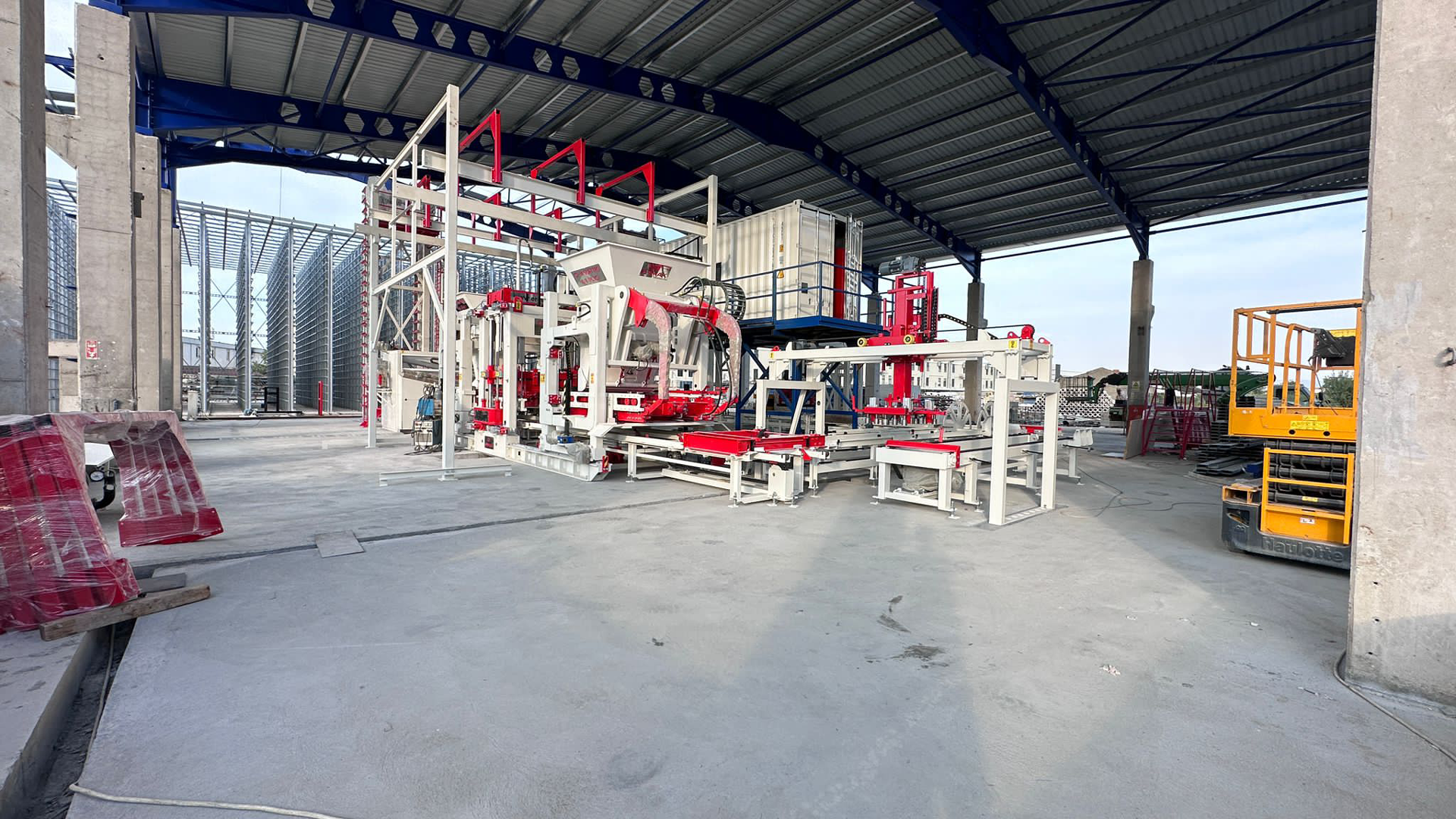
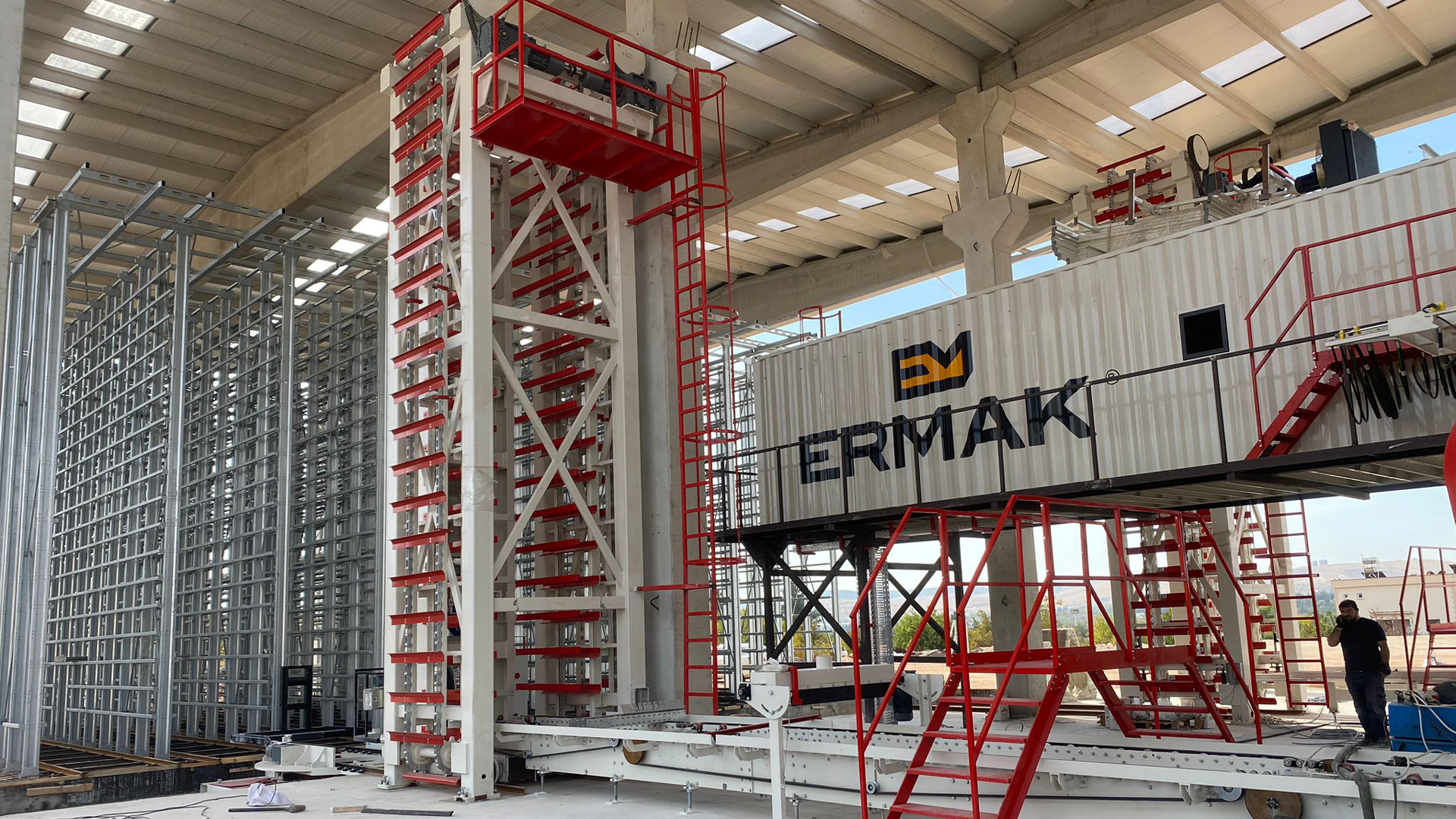
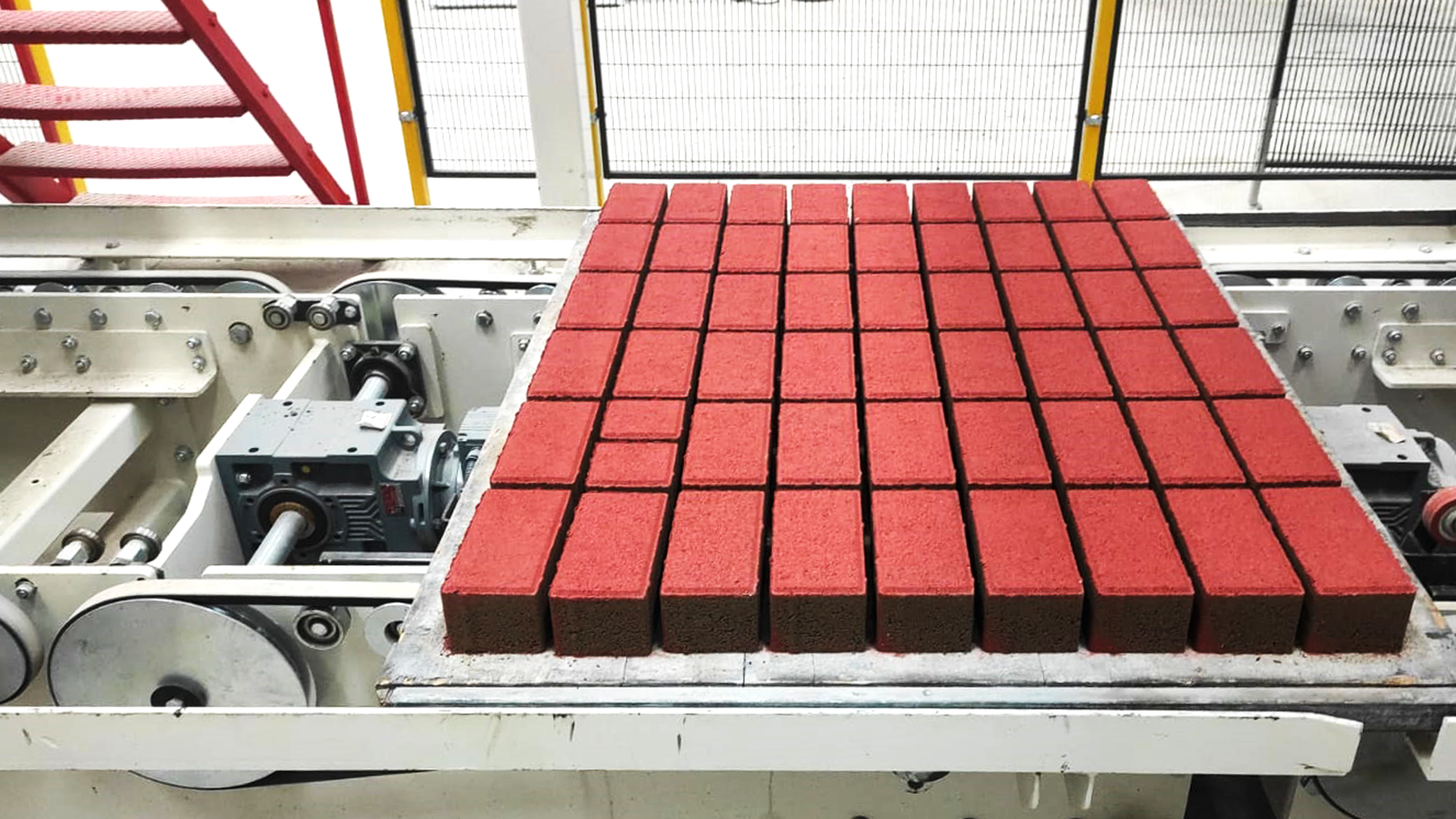
A complete concrete paver surface finishing line should not be planned as a collection of separate machines. Shotblasting, washing, cleaning, buffering, quality control, cubing and packaging all need to support the same product range and production target. If one section is too slow, the entire finishing line can become a bottleneck even when the main paver machine has sufficient capacity.
The correct design therefore starts with the finished product rather than the finishing equipment. The manufacturer needs to define which decorative surfaces will be produced, what percentage of total output will require treatment, how products will be packaged and how much daily finished capacity is required. Once these questions are clear, the individual machines can be sized around a realistic process flow instead of being selected independently.
Start with the Product Portfolio
The first step is to define which pavers will actually pass through the surface finishing line. A factory may produce standard pavers, face-mix products, shotblasted products, washed exposed-aggregate pavers and other decorative variations using the same main production system.
Not every product needs every finishing process. Some may move directly from curing to cubing, while others may require shotblasting, washing or additional cleaning. This is why the finishing line should be designed around product routes rather than one fixed path that every product must follow.
A clear product portfolio also helps determine whether the line needs bypass conveyors, separate buffers or multiple treatment branches.
Surface Finishing Begins Before the Finishing Line
Decorative surface quality is determined long before the paver reaches the finishing equipment. Aggregate selection, pigment, face-mix composition, compaction and curing all influence the final result.
Shotblasting can reveal aggregate already present in the surface, while washing can remove cement paste and expose selected decorative material. Neither process can create a good decorative product from unstable upstream production.
For this reason, batching, mixing and the main paver machine should be considered part of the surface finishing strategy. A finishing line works best when the concrete recipe has already been developed specifically for the target appearance.
Face-Mix Production Provides More Design Control
A separate face layer gives manufacturers greater freedom when producing premium pavers. Decorative aggregates and pigments can be concentrated in the visible upper layer, while the base mix focuses more on structural performance and material efficiency.
This approach can reduce the amount of expensive decorative aggregate required per product while improving control over colour and surface appearance. It also makes shotblasting and washing more predictable because the finishing process interacts mainly with the designed face layer.
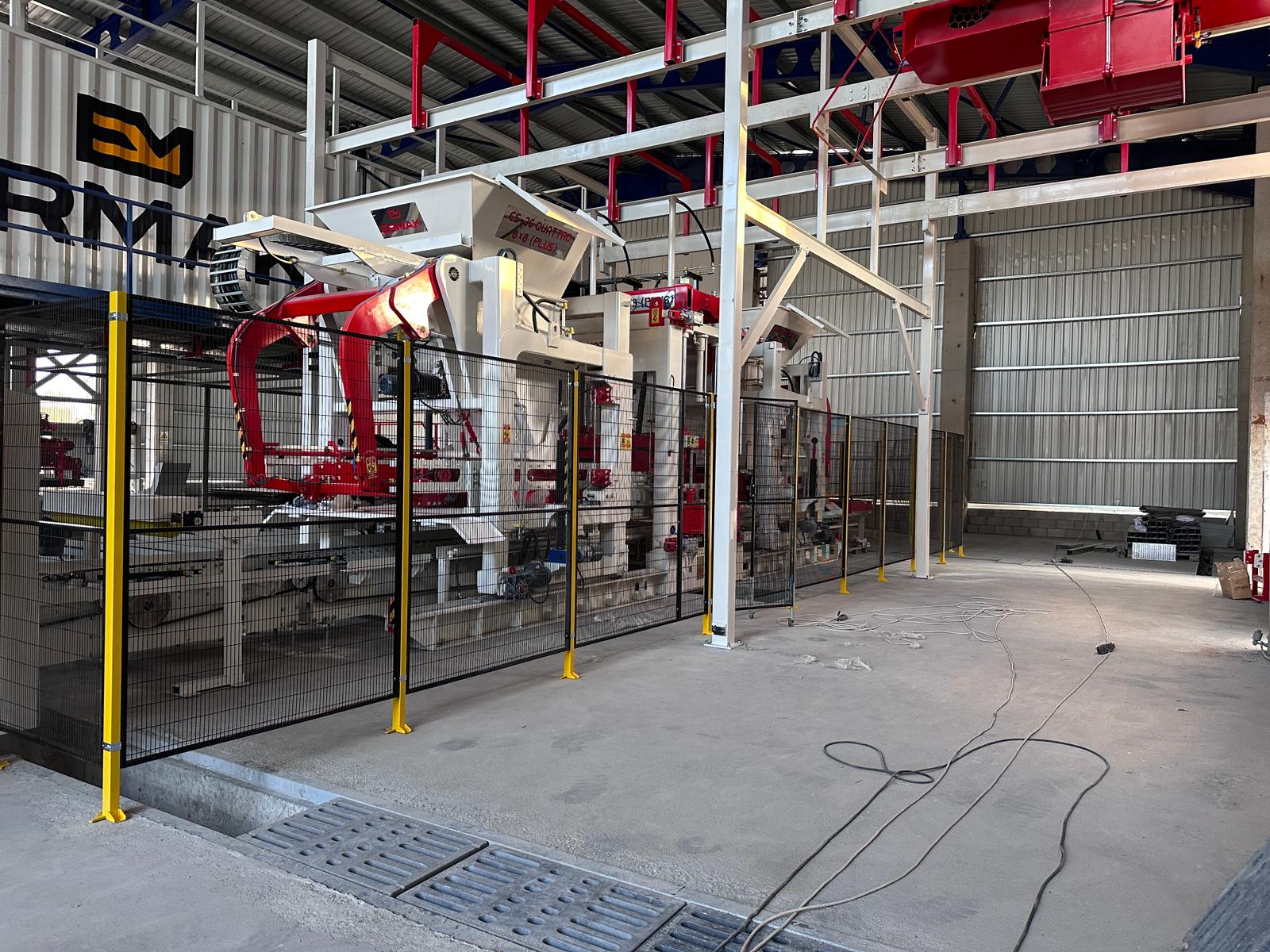
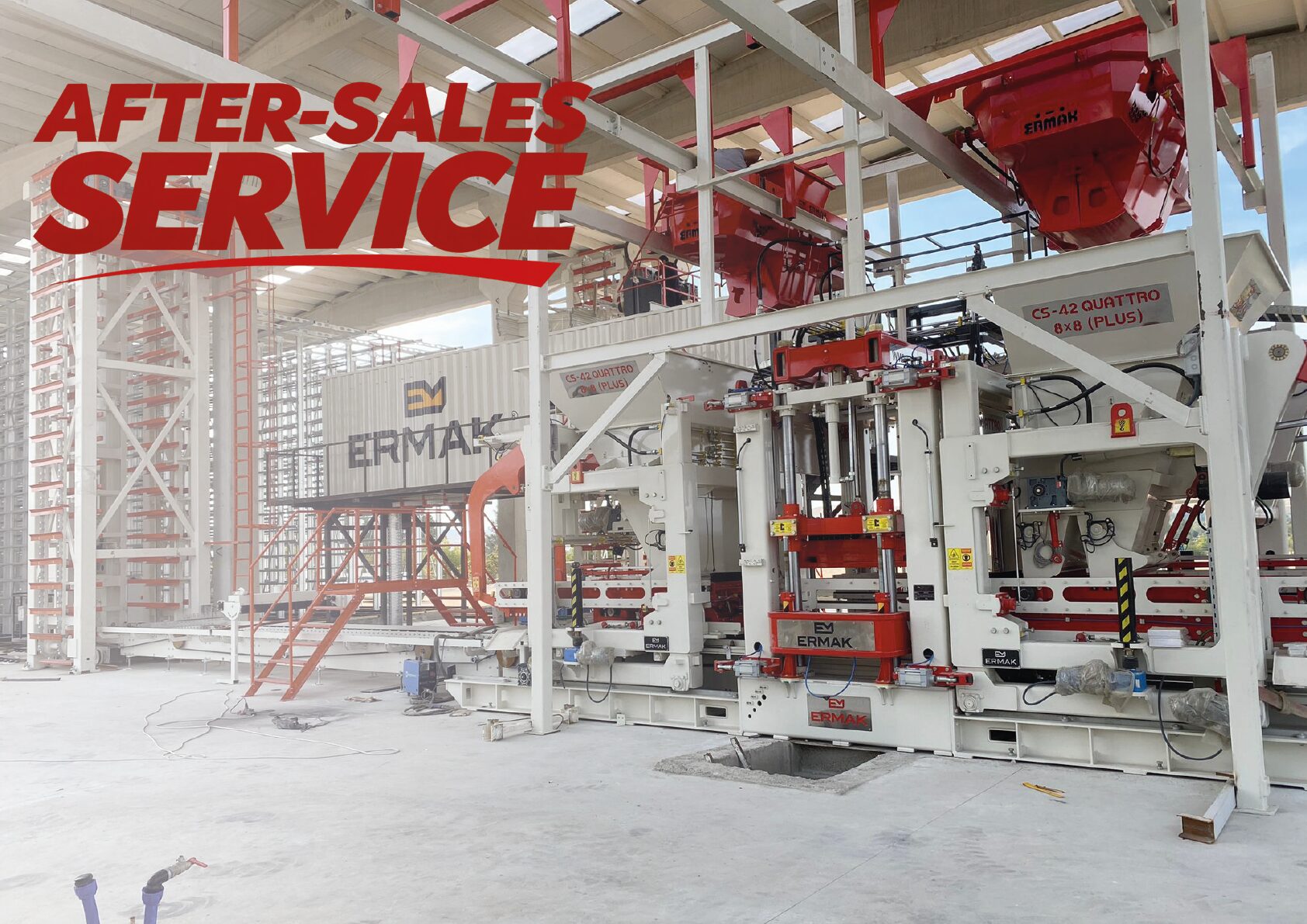
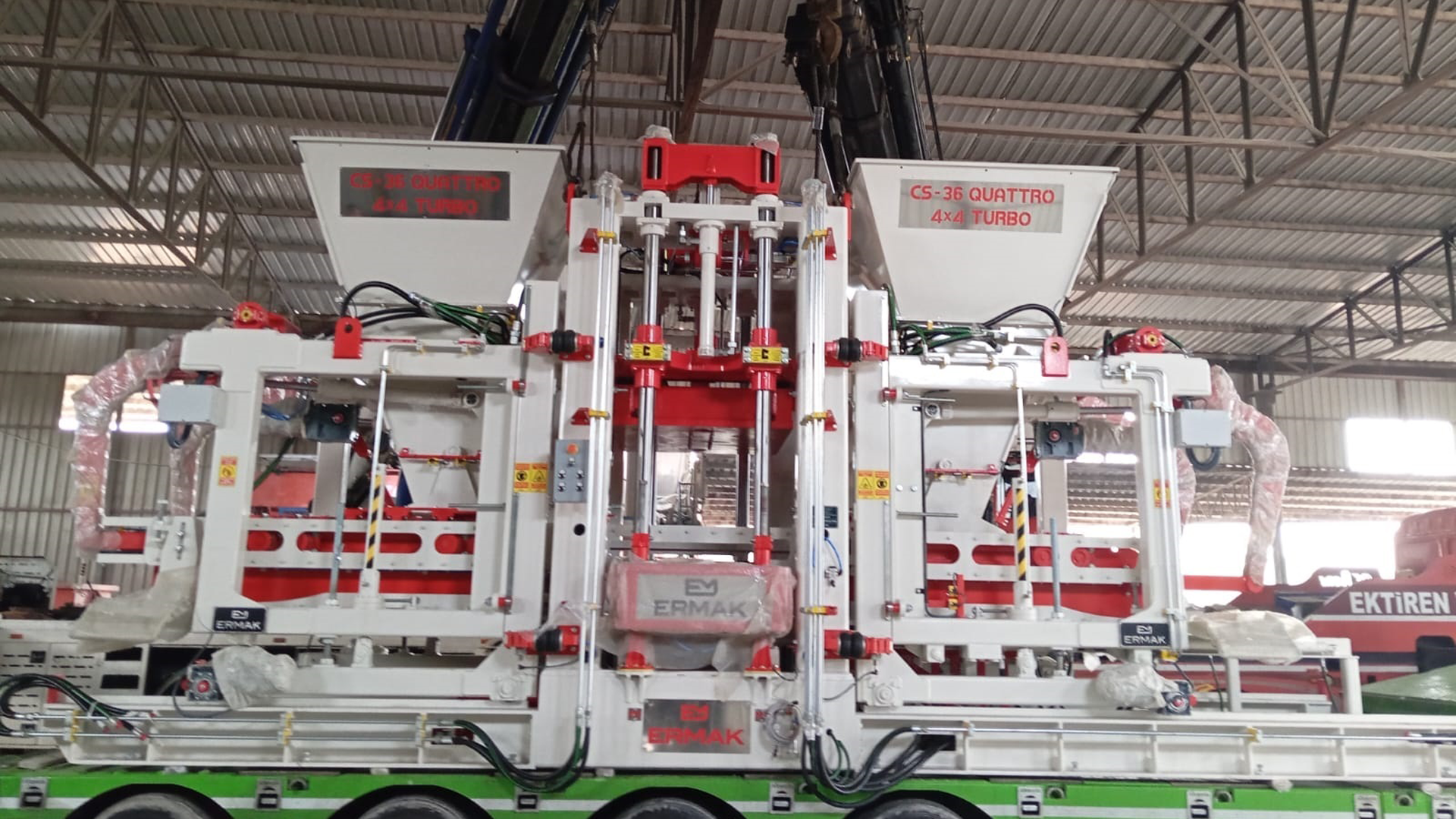
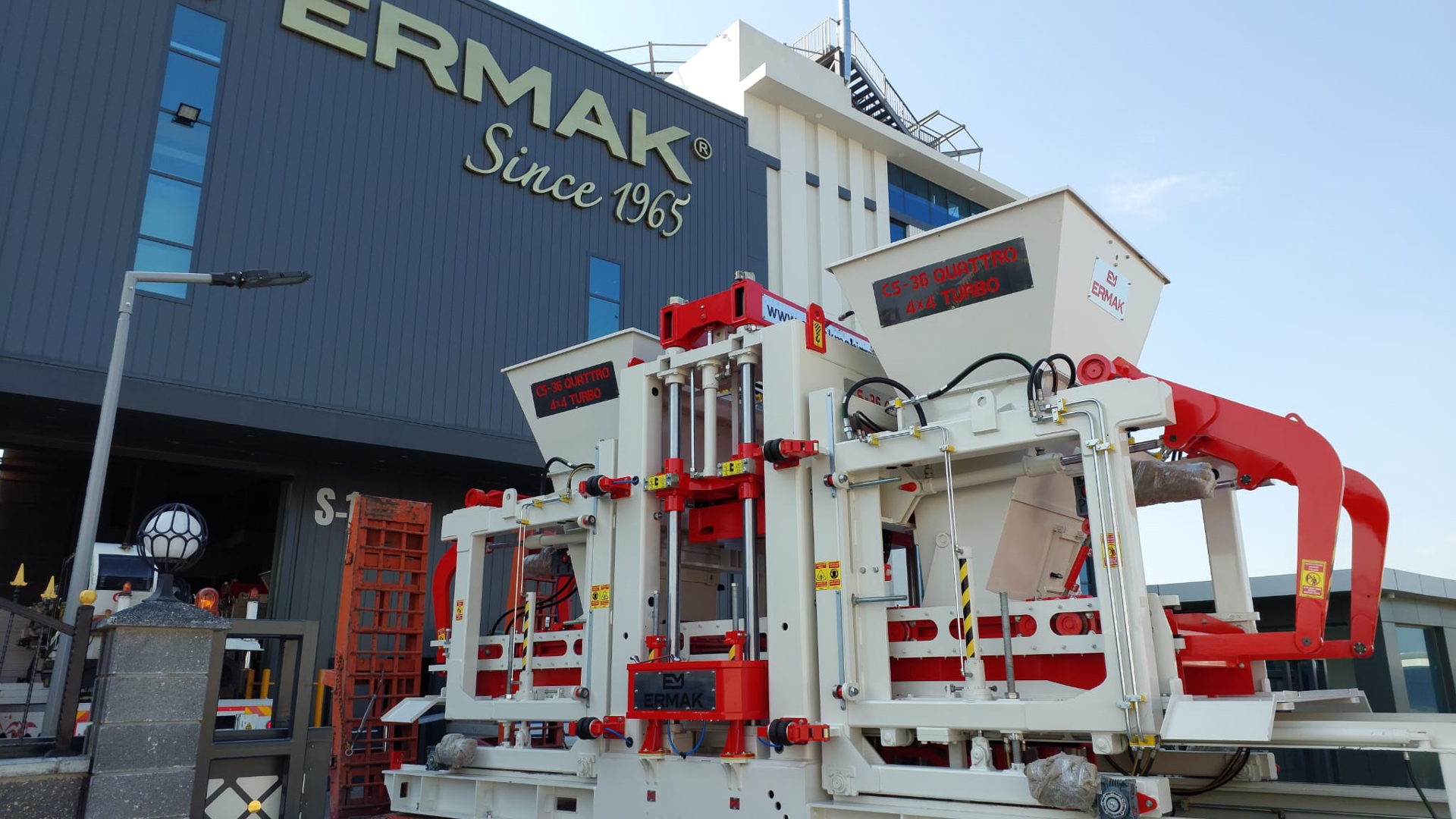
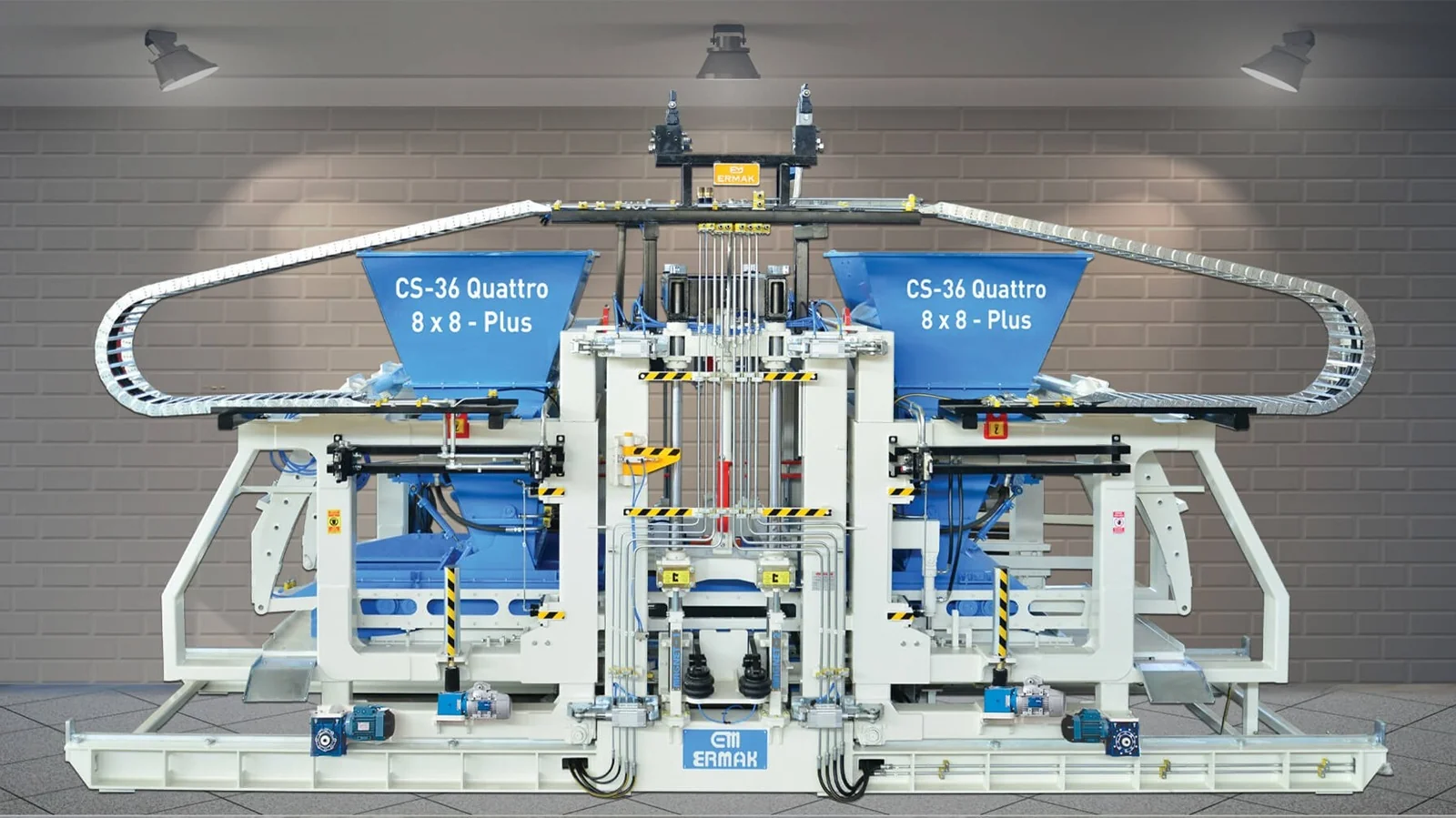
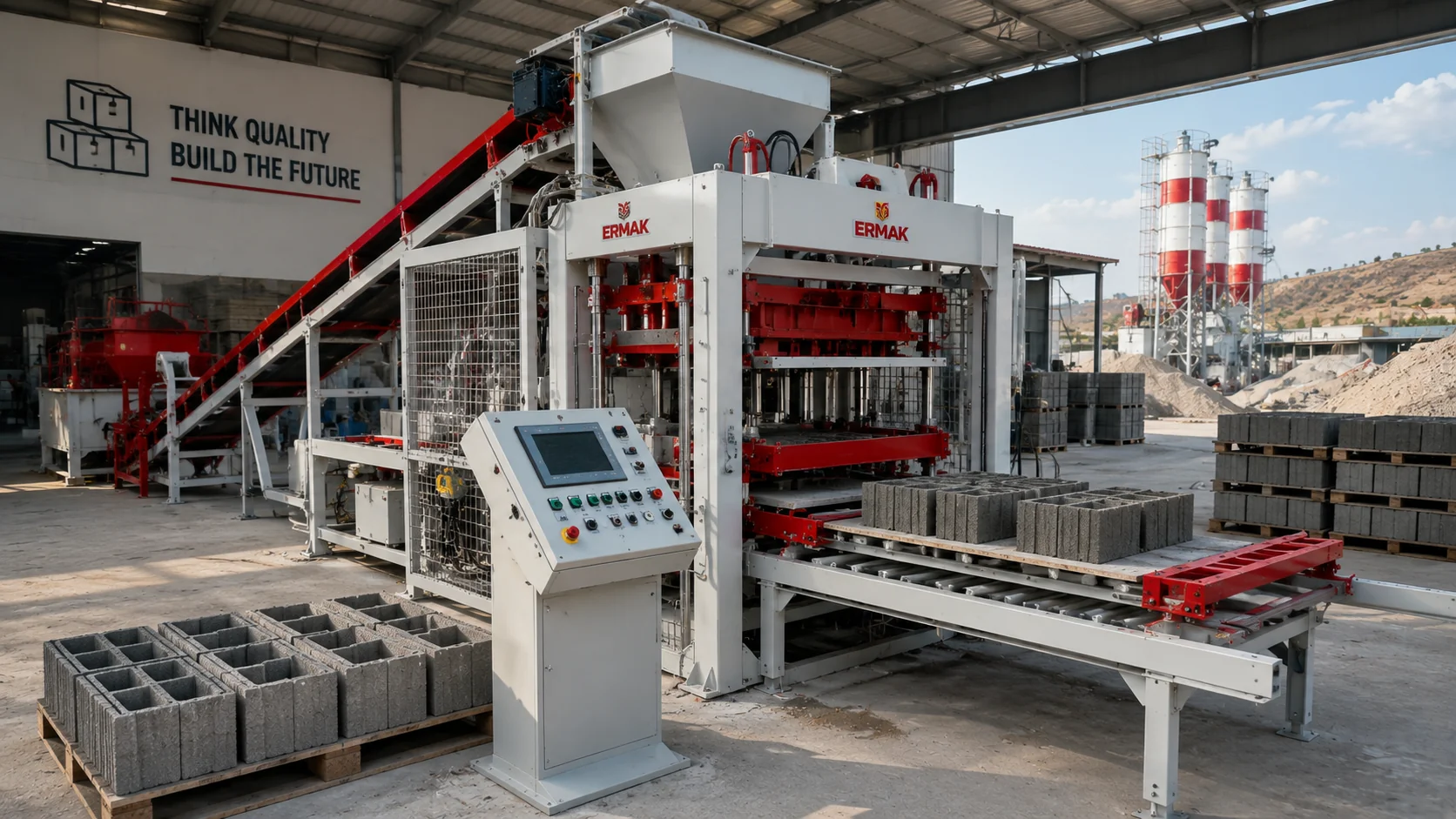
When planning a high-capacity system such as the Quattro 8X8 Plus concrete block machine, the face-mix system and future surface finishing requirements should be considered together. A flexible main machine creates more value when downstream finishing can support the same product variety.
Decide Which Finishing Processes Are Required
Different surface-treatment technologies create different visual results. Shotblasting removes the outer cement-rich layer through controlled abrasive impact and produces a textured, natural-stone appearance. Washing uses water to expose decorative aggregate and can create a different visual character with more visible aggregate definition.
A factory may use only one of these technologies or both, depending on the intended market. The line design should therefore define the process route for each product family before equipment is selected.
Installing both systems simply because they are available does not automatically create value. Each finishing process should correspond to a real product and market requirement.
Shotblasting and Washing Should Not Be Treated as Identical Processes
Although both processes expose aggregate, their operating requirements are different. Shotblasting depends on abrasive media, turbine performance, conveyor speed and dust extraction. Washing depends more heavily on water pressure, flow, timing, filtration and sludge management.
These differences affect factory layout. A shotblasting section requires dust collection and abrasive recovery, while a washing section requires drainage, water treatment and adequate space for wet handling.
The line should therefore separate the infrastructure needs of the two processes while maintaining a smooth product flow between them where both are included.
Product Timing Is Especially Important for Washing
Washed paver production can be highly sensitive to the time between forming and surface treatment. If the surface is washed too early, aggregate may loosen and edges may be damaged. If it is washed too late, the surface paste may become too hard to remove effectively.
The line therefore needs to manage not only capacity but also process timing. Buffer areas and production scheduling become important because products may need to enter the washing stage within a controlled time window.
Shotblasting usually occurs after greater product strength has developed, so it has different scheduling requirements. This is another reason why both treatments should not simply be connected using the same assumptions.
Curing Strategy Must Support the Finishing Process
The selected finishing method should be considered when planning curing. Products need enough strength to tolerate handling and treatment without cracking, chipping or losing decorative aggregate.
If the paver enters a shotblasting machine before reaching sufficient strength, edge damage may increase. If washed products remain too long before surface exposure, the process may become more difficult.
The curing and finishing strategy should therefore be developed together so that the product reaches each downstream process in the correct condition.
Capacity Should Be Based on Decorative Product Volume
A common mistake is to size the surface finishing line to match the full theoretical capacity of the main paver machine, even when only part of production will receive decorative treatment.
If only 25 percent of annual sales are expected to be shotblasted or washed, a finishing line equal to 100 percent of main-machine capacity may remain underused. On the other hand, sizing the line too close to current minimum demand can create problems when premium product sales increase.
A realistic plan should use expected decorative volume, shift structure and reasonable future growth. Capacity should be based on saleable finished products rather than maximum machine speed alone.
Real Surface Finishing Capacity Depends on the Required Finish
A shotblasting machine may process lightly treated pavers faster than products requiring deep aggregate exposure. Similarly, a washing line may operate at different speeds depending on the required removal depth and product strength.
For this reason, the published maximum square metres per hour should not automatically be used in plant design. Capacity should be tested or calculated using the actual target finish.
The more useful question is: how many square metres can the system process consistently at the quality level the customer is prepared to sell?
Bypass Lines Increase Production Flexibility
A surface finishing plant should usually allow untreated products to bypass the treatment section when the factory produces both standard and decorative pavers.
Without a bypass, standard products may need to move unnecessarily through equipment that provides no value to them. This wastes time and may increase wear or handling risk.
A well-designed bypass can also support maintenance flexibility. If one finishing machine is unavailable, untreated products may continue toward cubing and packaging depending on the plant configuration.
This makes the dry side more adaptable and reduces dependence on one process route.
Buffers Should Be Used for Process Stability
Buffers can help absorb short differences between finishing processes. For example, shotblasting may temporarily operate more slowly than upstream product feeding, or the packaging section may pause while treatment continues.
A controlled buffer can prevent every short interruption from immediately stopping the complete line. However, buffers should not be used to hide permanent capacity mismatches.
If a large quantity of product continuously waits before one machine, that section is probably the true bottleneck. Buffer capacity should therefore support temporary variation, not compensate for incorrect machine sizing.
Shotblasting Requires Effective Dust Management
Shotblasting produces significant fine concrete dust, so dust extraction is a fundamental part of the system. Poor extraction can reduce visibility, contaminate the machine and create additional maintenance requirements.
The dust collection system should be sized according to the machine and process load rather than treated as a minor accessory. Filters need practical maintenance access, and the plant layout should provide space for dust collection and removal.
Dust management also influences working conditions around the finishing line, making it an important part of overall plant design.
Abrasive Recovery Should Be Included in Operating-Cost Planning
Shotblasting media are reused, but they gradually wear and some material is lost from the system. The recovery system needs to separate reusable media from concrete dust and broken particles.
Poor separation can increase operating cost and reduce surface consistency. The condition of the blasting media can also influence the visual result even when the machine settings remain unchanged.
For this reason, abrasive recovery, storage and replenishment should be included in both technical design and long-term cost calculations.
Washing Requires Water Infrastructure
A paver washing line requires more than pumps and nozzles. The factory also needs sufficient water supply, drainage and water-management capacity.
Freshwater demand can become significant in high-volume production, so the project should consider how much water can be recycled. Settling tanks, filtration and circulation systems may all form part of the finishing line.
The water system should be sized according to realistic production, contamination levels and cleaning requirements rather than nominal pump capacity alone.
Water Recycling Can Improve Operating Economics
Recycling part of the process water can significantly reduce freshwater consumption. However, recycled water needs sufficient treatment before returning to the washing system.
Concrete fines and sludge can block nozzles, damage pumps and reduce washing consistency if filtration is inadequate. The system should therefore separate solids effectively and make cleaning practical.
A technically successful washing process must manage both the finished paver and the contaminated water generated during production.
Sludge Handling Needs Space and Access
Concrete washing generates sludge that needs to be removed from the water-treatment system. This material should not be treated as an afterthought because large-scale production can generate substantial quantities.
Settling areas need practical access for cleaning and removal. The plant should also consider local requirements for handling and disposal.
If sludge management is difficult, operators may postpone cleaning and eventually reduce water-treatment performance. Good finishing-line design includes waste handling from the beginning.
Cleaning After Surface Treatment Is Important
A paver leaving a shotblasting or washing machine may still carry loose dust, abrasive particles, slurry or other residue. A final cleaning stage can improve product presentation and prepare the paver for packaging.
The required method depends on the treatment process. Shotblasted products may use brushing or air cleaning, while washed products may need additional rinsing and drainage.
The line should provide enough time and distance for the finished product to reach a clean and stable condition before quality control and cubing.
Wet Products Need Proper Drainage Before Packaging
Washed pavers should not move directly into final packaging while carrying excessive free water. Water trapped between layers may create poor package appearance and complicate storage.
The line should therefore allow drainage before cubing and wrapping. Depending on the required process, this may involve conveyor length, air movement or other controlled drying assistance.
The objective is not necessarily to dry the paver completely, but to ensure that it reaches packaging in a suitable condition.
Quality Control Should Be Positioned Before Cubing
Surface-treated pavers are premium products, so quality inspection before final packaging is important. The operator should be able to identify uneven aggregate exposure, edge damage, cracks, inconsistent colour or other visible defects before the product disappears inside a commercial pack.
Reference samples are particularly valuable for decorative products. They allow operators to compare current production with an approved surface standard and reduce subjective differences between shifts.
Quality control should also inspect products from different positions across the conveyor. If one side of the line consistently produces a different finish, the treatment equipment may require adjustment or maintenance.
Reference Samples Improve Surface Repeatability
Decorative quality is difficult to control through machine settings alone because appearance is partly visual. A reference board or approved product sample gives the production team a clear target.
The sample should represent acceptable colour, texture and aggregate exposure. Ideally, the corresponding concrete recipe and finishing settings should also be recorded.
This allows the plant to reproduce the same product months later rather than relying on operator memory.
Surface Finishing Recipes Should Be Stored
Modern finishing lines can benefit from recipe-based control. Conveyor speed, treatment intensity and related machine parameters can be stored for different products.
When the factory changes from one paver to another, the operator can recall the approved starting settings. This reduces setup time and lowers the risk of inconsistent production.
The system should still allow controlled adjustment because raw materials and environmental conditions may change, but stored recipes create a more reliable starting point.
Product Flow After Finishing Must Be Balanced
Once surface treatment is complete, pavers still need to be cubed, palletized and prepared for shipment. If the packaging section is slower than the finishing line, completed products will accumulate.
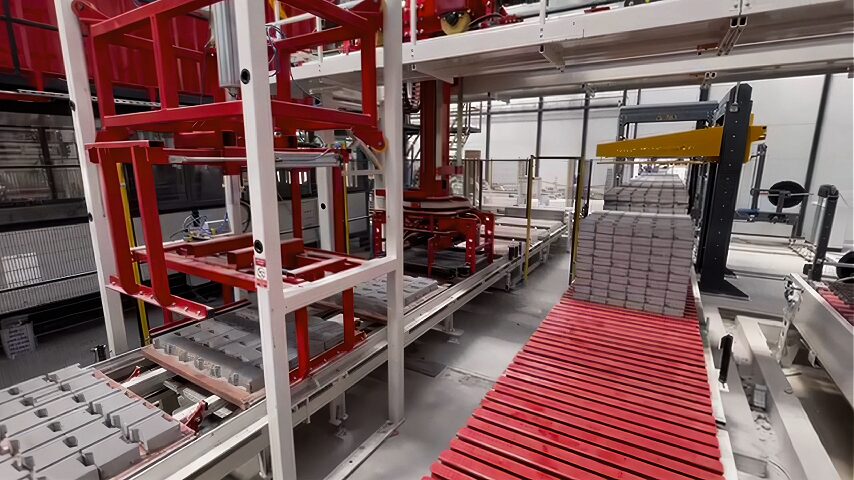
The downstream section should therefore be planned together with the treatment machines. Cubing capacity, commercial pallet feeding, strapping, wrapping and forklift removal all influence net finished output.
The strongest finishing machine cannot compensate for a weak packaging system.
Automatic Cubing Should Match the Product Range
Decorative pavers may have different stacking requirements from standard products. Package patterns, layer rotation and surface protection should therefore be considered when selecting the cubing system.
The system should be able to handle the finished product without scratching or chipping visible surfaces. For some products, contact pressure and handling movement may need to be adjusted.
Stored cubing recipes can simplify product changes and help maintain consistent commercial package geometry.
Robotic Palletizing Can Add Flexibility
Plants producing a wide range of decorative products may benefit from robotic palletizing because different stacking patterns can often be managed through software recipes.
The gripper becomes especially important for surface-treated pavers. It should handle products securely without damaging the decorative face or sensitive edges.
Robotic solutions can offer flexibility, but they should still be selected according to sustainable throughput. A robot that handles many products but cannot keep pace with the finishing line will become the next bottleneck.
Strapping and Wrapping Are Part of the Finishing Line
The surface treatment process creates a higher-value product, and packaging needs to protect that value during handling and transport. Strapping can improve package stability, while wrapping can protect the surface from dirt and improve presentation.
These systems should be selected according to actual transport conditions. Not every product requires the same packaging method.
The important point is that strapping and wrapping capacity should match cubing output so that finished packs continue moving smoothly toward warehouse or dispatch.
Forklift Logistics Should Be Included in Line Design
Even a highly automated finishing line can stop if completed packages cannot be removed. The forklift pickup zone needs sufficient space and a clear route to the warehouse.
Raw-material and finished-product forklift traffic should ideally be separated where possible. Congested routes increase both operational delay and safety risk.
The factory layout should therefore consider product movement from the main machine all the way to final storage, not only the machines themselves.
Surface Finishing Should Not Create Excessive Manual Handling
Poor line layout can result in products being moved by forklift or manually between treatment stages. This reduces the benefit of automation and increases the risk of damage.
A complete finishing line should provide a logical flow with as few unnecessary transfers as possible. Ideally, products move continuously from curing through treatment, quality control and packaging.
Manual intervention should be reserved for tasks where inspection or flexibility genuinely adds value.
Maintenance Access Must Be Planned Around Every Machine
Shotblasting machines, washing systems, filters, pumps, conveyors and packaging equipment all require maintenance. The line layout should therefore provide enough access for component replacement and cleaning.
A compact layout may save floor space but create much longer shutdowns if technicians cannot reach critical areas. Maintenance doors, filter access, pump removal and conveyor servicing should be considered before the final line arrangement is approved.
Plant design should support the complete working life of the equipment, not only initial installation.
Critical Spare Parts Differ Between Finishing Technologies
Shotblasting machines contain wear plates, turbine components and abrasive-system parts, while washing systems depend on pumps, nozzles, valves and filtration equipment. Packaging sections add sensors, drives and other automation components.
A critical spare-parts strategy should therefore cover the complete finishing line rather than only the main treatment machine.
Parts should be classified according to failure probability, production impact and delivery time. This can reduce downtime without requiring excessive spare inventory.
Production Data Can Reveal the Real Bottleneck
Modern finishing lines can collect useful information such as machine running time, waiting time, alarms and completed product counts.
This data helps determine whether the bottleneck is shotblasting, washing, cubing, packaging or simply product supply from upstream.
Without production data, operators may assume the most visible machine is causing the problem even when the true capacity loss is located elsewhere.
A data-driven approach allows the plant to invest in the section that actually limits output.
OEE Can Be Extended Beyond the Main Paver Machine
Factories often calculate OEE only for the main production machine, but surface finishing can also influence availability, performance and quality.
A finishing machine breakdown reduces availability. Running below the required treatment speed reduces performance. Surface rejects reduce quality.
Monitoring the finishing section therefore provides a more complete understanding of net saleable output, especially in plants where decorative products represent a large part of revenue.
Energy Should Be Evaluated Per Finished Square Metre
Surface finishing uses additional energy through blasting turbines, pumps, conveyors, dust collection and water-treatment systems. Comparing only installed motor power provides limited information.
A more useful approach is to calculate energy consumption per square metre of saleable finished paver. This connects energy cost directly with commercial output.
The same method can be used for water, abrasive consumption and maintenance cost.
Operating Cost Should Be Calculated by Product Family
Different finishes can have very different costs. A standard untreated paver may require only cubing and packaging, while a premium washed or shotblasted product adds energy, water, abrasive media, wear parts and additional handling.
Factories should therefore understand the incremental finishing cost of each decorative product family.
This makes it easier to establish selling prices and determine whether the finishing process is creating sufficient margin to justify the additional complexity.
Surface Finishing Can Increase Product Value
The strongest economic argument for finishing equipment is not simply additional machine capacity. It is the ability to produce higher-value products from the same general manufacturing platform.
Shotblasted or washed pavers can create different market positioning for landscaping, architectural and municipal projects. Different aggregates and treatment levels can further expand the range.
This can allow the manufacturer to serve more market segments without building a completely separate factory.
The Product Strategy Should Drive the Investment
Surface finishing equipment should not be purchased simply because decorative pavers are technically possible. The plant needs a realistic market for the finished products.
Expected sales volume, selling-price premium and project demand should be evaluated before deciding on capacity. A smaller flexible finishing line can sometimes provide better economics than a very large system operating at low utilization.
The correct investment is the one that matches both production capability and market opportunity.
Existing Plants Can Add Finishing in Stages
An existing paver plant may begin with one surface treatment process and add another later. For example, shotblasting may be installed first, while space and connection points are reserved for a future washing line.
This staged approach can reduce initial investment while preserving future growth. However, the original layout should anticipate the later expansion so that new equipment does not require major reconstruction.
Planning future conveyor routes, drainage and utility connections in advance can significantly reduce retrofit cost.
New Plants Should Reserve Flexibility from the Beginning
New plants have the advantage of integrating surface finishing into the original layout. Bypass conveyors, buffers, water-treatment areas, dust collection, packaging and forklift routes can all be designed around the intended product strategy.
The main machine, curing capacity and finishing systems can then be balanced as one project. Investors evaluating a complete factory can review our concrete block and paver production line catalogs to compare main machine and auxiliary system configurations before finalizing the layout.
This integrated approach makes future product expansion easier and reduces the risk of creating capacity mismatches between production and finishing.
Ermak Makine’s Approach to Surface Finishing Lines
At Ermak Makine, we consider surface finishing as part of the complete concrete paver production process. Main machine capacity, face-mix preparation, curing, finishing, quality control, cubing and packaging should all be designed around the same product strategy.
The objective is not to maximize the specification of each individual machine. A successful plant is one where each section supports the next without unnecessary waiting or product accumulation.
Companies planning a new decorative paver plant or considering surface-finishing expansion for an existing facility can contact Ermak Makine to discuss product types, target capacity, treatment methods and complete line configuration.
What Defines a Well-Designed Paver Surface Finishing Line?
A good finishing line is flexible enough to produce the required decorative products, but simple enough to operate and maintain reliably. It should provide the correct treatment intensity, enough sustainable capacity and effective quality control while managing dust, water and process waste appropriately.
The downstream cubing and packaging section must be capable of handling the finished product without creating another bottleneck. Buffers and bypasses should add flexibility without hiding permanent capacity problems, and maintenance access should be considered throughout the complete layout.
For concrete paver manufacturers, the strongest surface-finishing line is therefore the one that connects product design, treatment technology, real capacity, quality control and final packaging into one balanced production flow capable of producing repeatable, higher-value saleable products.
Frequently Asked Questions
What equipment can be included in a concrete paver surface finishing line?
Depending on the product strategy, the line can include shotblasting, washing, cleaning, buffers, bypass conveyors, quality control, cubing, strapping, wrapping and related handling systems.
Does every paver need to pass through the finishing line?
No. Standard products can bypass surface treatment while decorative products are directed through the required process.
Which is better, shotblasting or washing?
Neither is universally better. They create different surface appearances and require different infrastructure. The correct choice depends on the target product and market.
Can a plant use both shotblasting and washing?
Yes. A factory can include both processes if the product portfolio and market justify the investment.
Why is face-mix production useful?
It allows decorative aggregates and pigments to be concentrated in the visible surface layer, giving greater control over premium product appearance.
Does the finishing line need to match full main-machine capacity?
Not necessarily. Capacity should be based on the proportion of total production that will actually receive surface treatment.
Why are bypass conveyors important?
They allow untreated products to move directly to packaging and give the factory greater production and maintenance flexibility.
Why are buffers used?
Buffers absorb short differences between process speeds and can prevent small interruptions from immediately stopping the full line.
Why is dust collection important for shotblasting?
Shotblasting creates fine concrete dust that needs to be removed to support machine performance, maintenance and working conditions.
Why does washing require water treatment?
Wash water contains concrete fines and sludge that can damage pumps and nozzles if not separated effectively.
Should quality control come before cubing?
Yes. This allows damaged or visually unacceptable products to be removed before final packaging.
Can robotic palletizing be used with decorative pavers?
Yes, provided the gripper and handling settings protect the finished surface and product edges.
Can surface finishing be added to an existing plant?
In many cases, yes. Floor space, conveyor routes, utilities, water treatment, dust collection and packaging integration need to be evaluated.
How should finishing-line capacity be measured?
Capacity should be based on sustainable square metres of acceptable finished product per hour or shift at the required treatment quality.
What is the most important principle when designing a complete paver surface finishing line?
The most important principle is to design the full process as one balanced system, from product recipe and curing through surface treatment, quality control and final packaging, rather than selecting each machine independently.