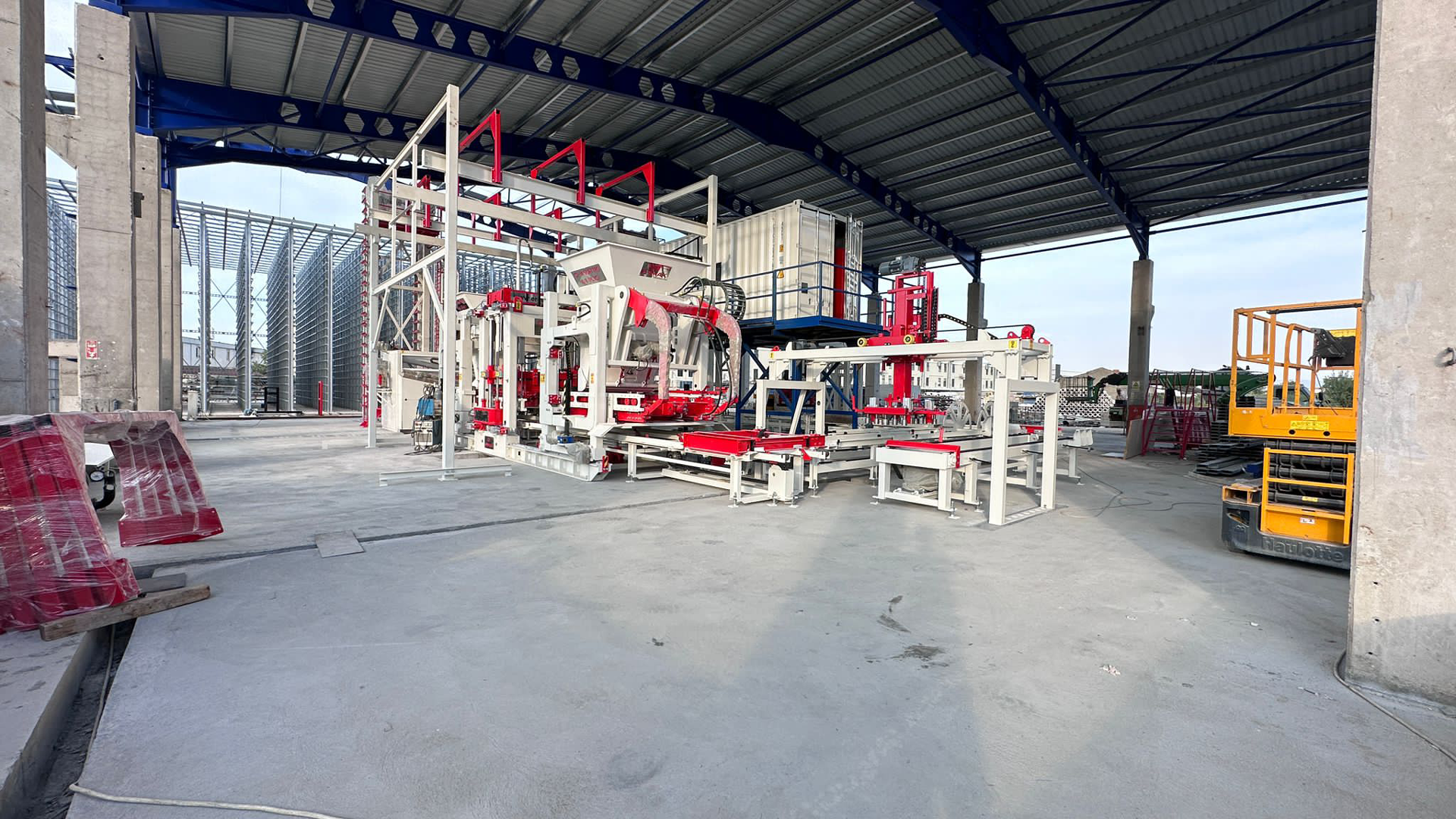
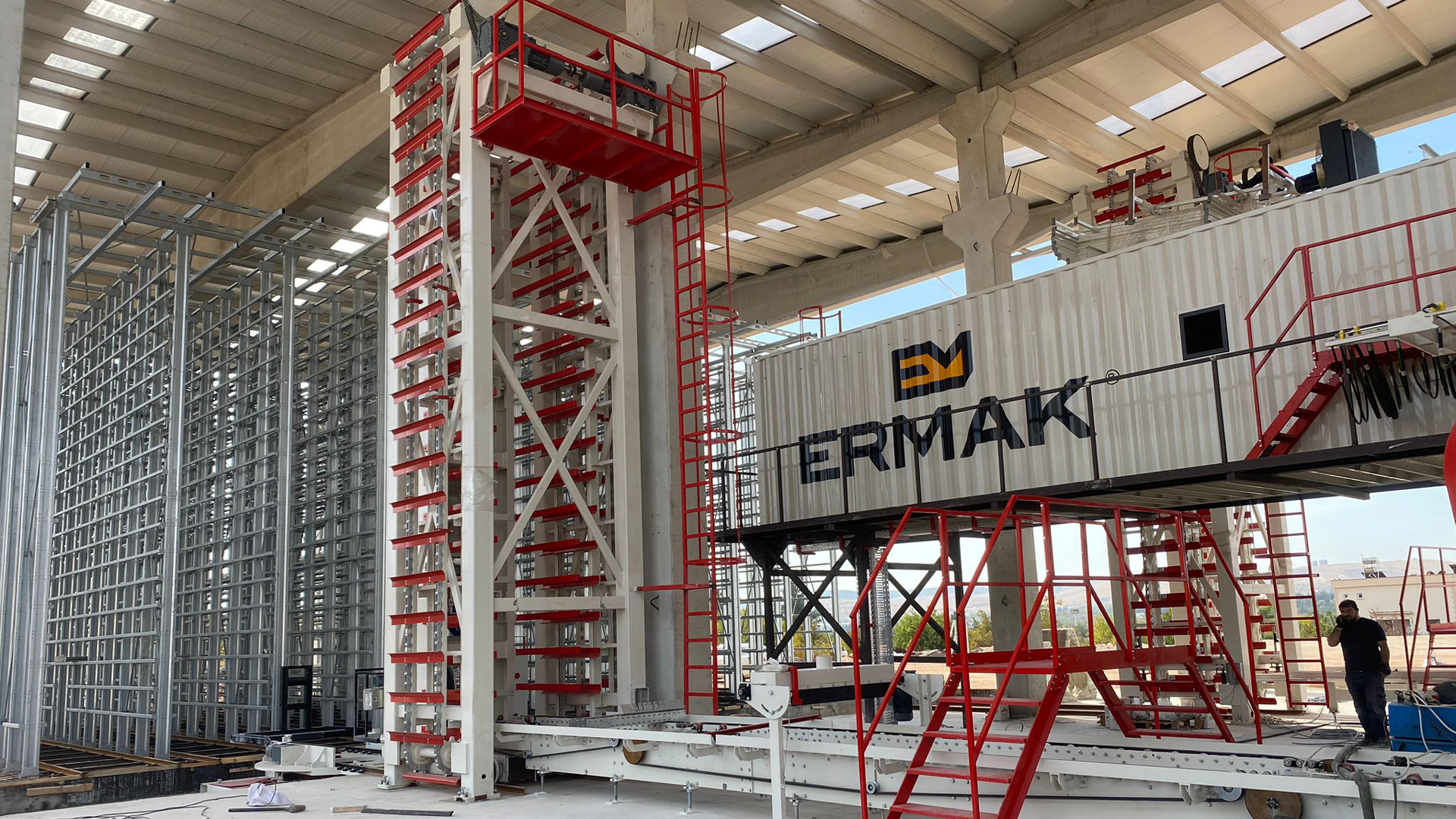
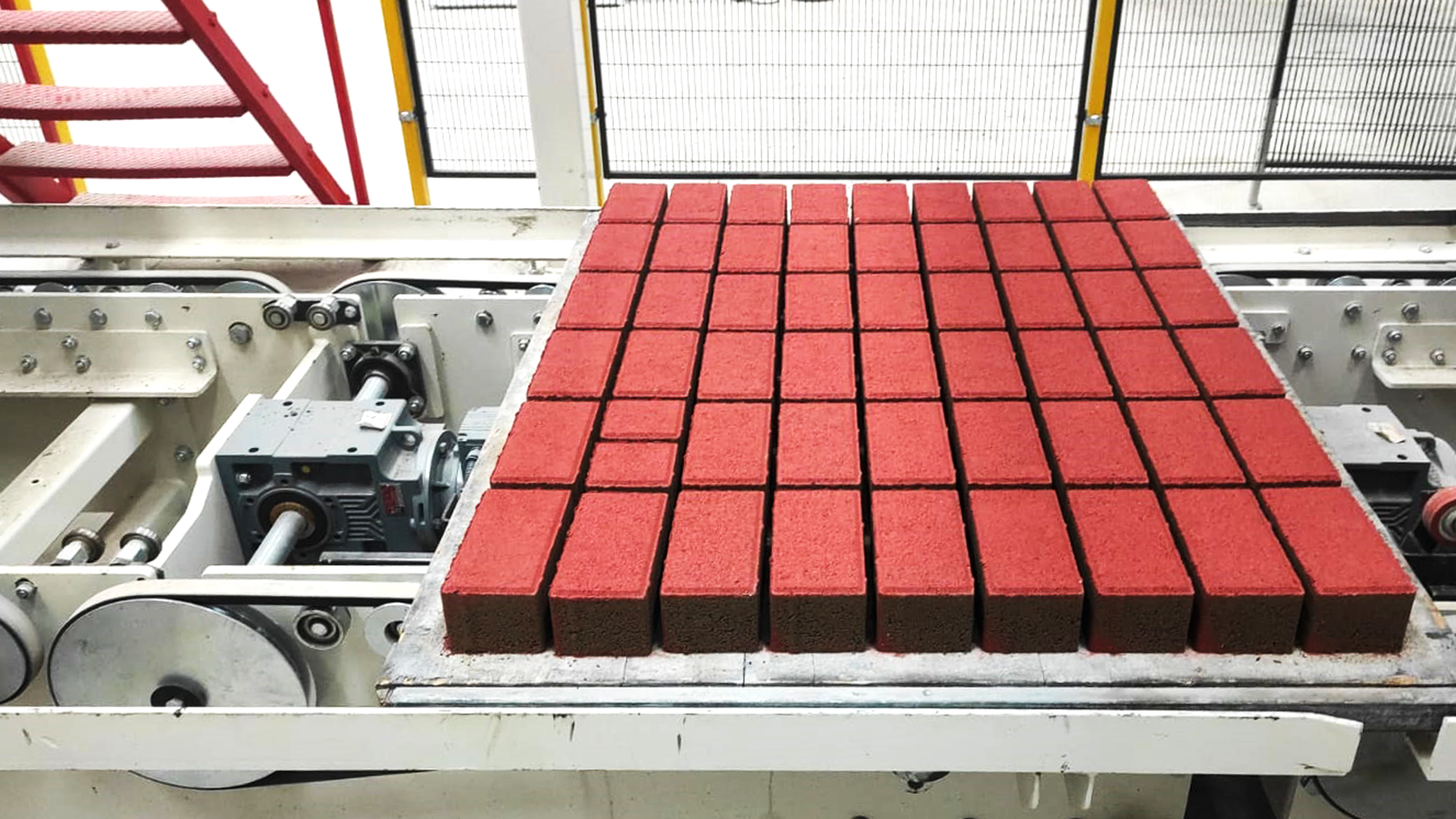
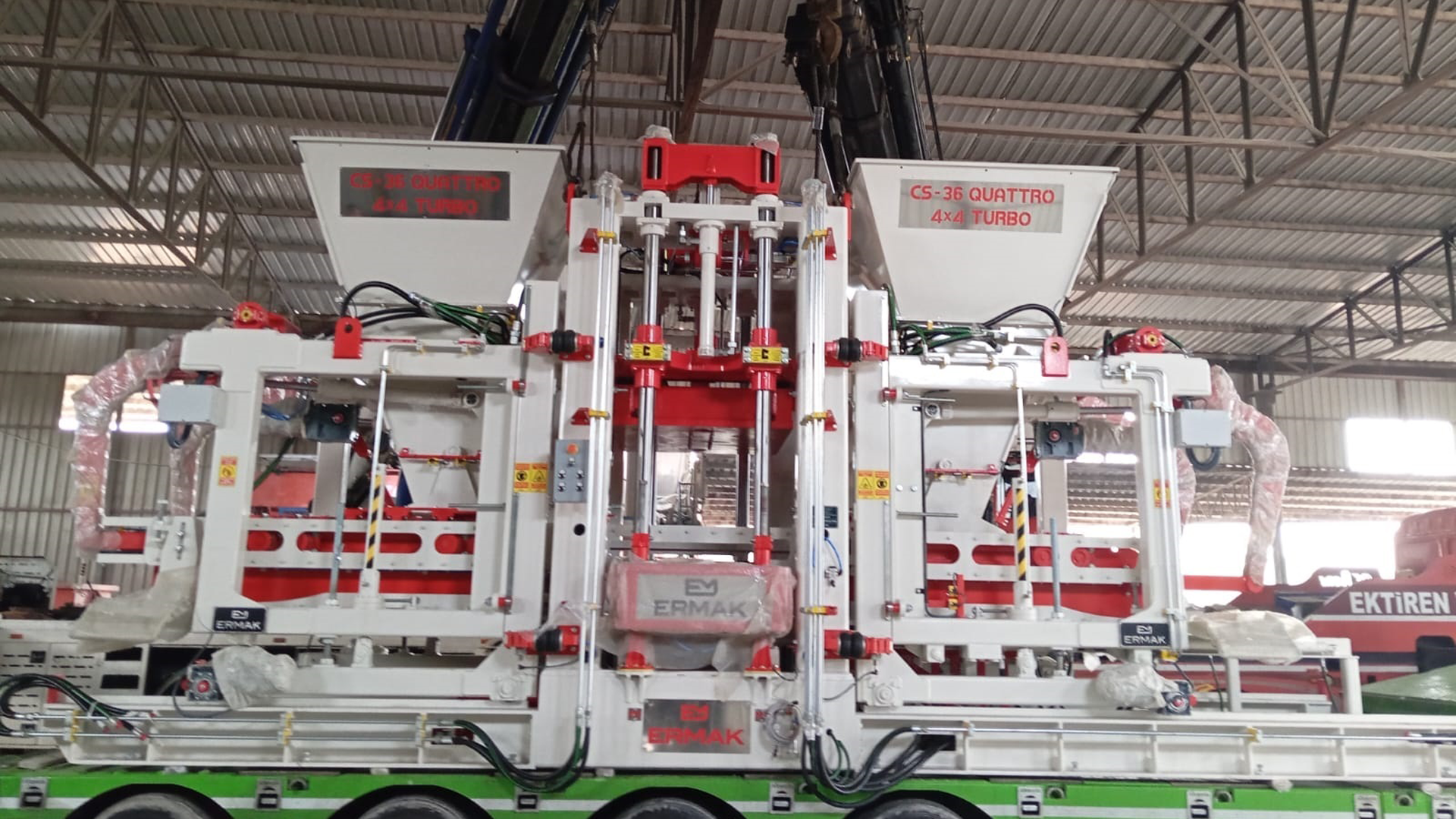
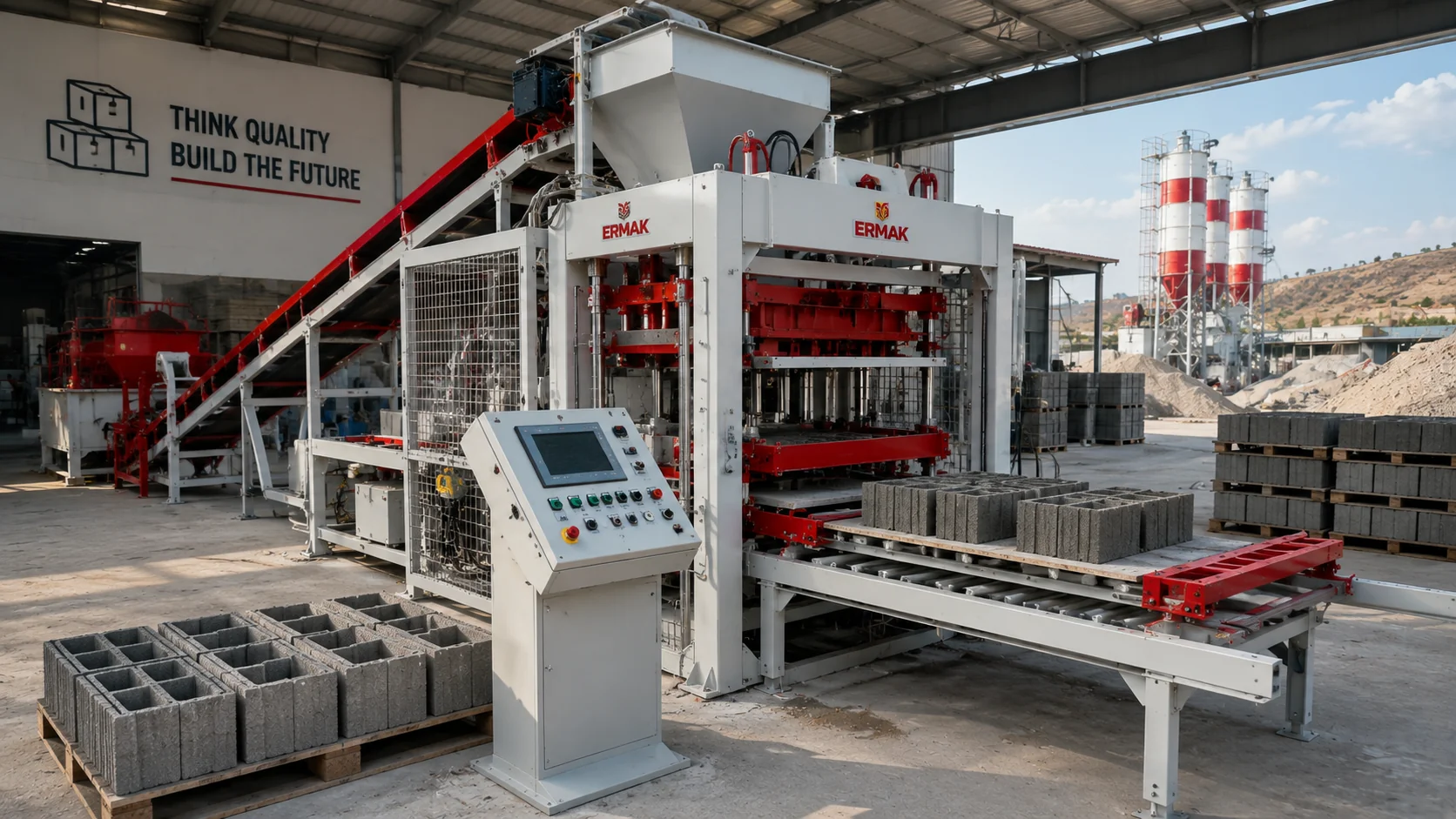
A concrete block machine is a major industrial investment, and buyers should not wait until the equipment reaches the production site to determine whether it meets the agreed technical requirements.
Factory Acceptance Testing, commonly known as FAT, and Site Acceptance Testing, or SAT, provide a structured way to verify the machine before and after shipment.
These two stages serve different purposes.
FAT is performed before dispatch, usually at the manufacturer’s facility. It allows the buyer and supplier to verify the completed machine, test key functions and identify open issues while the equipment is still close to the engineering and manufacturing teams.
SAT is performed after the machine has been installed at the customer’s site. Its purpose is to confirm that the machine operates correctly within the real factory environment and integrates properly with batching, wet-side, curing, dry-side and other production systems.
For buyers, the main value of FAT and SAT is not simply receiving two signed documents. The value comes from defining what will be tested, how it will be measured and what conditions must be achieved before the project is considered technically accepted.
FAT and SAT Should Be Planned Before the Machine Is Built
One of the most common mistakes in industrial projects is discussing acceptance criteria only when the machine is almost complete.
At that point, the supplier and buyer may already have different expectations.
One party may assume that the FAT will verify only machine movements, while the other expects full production testing with concrete. The buyer may expect a capacity test, but the supplier may consider the quoted capacity dependent on site conditions.
These differences should be resolved much earlier.
The FAT and SAT requirements should ideally be discussed during quotation review or contract negotiation.
The parties should agree on the machine configuration, test scope, reference product, responsibilities and acceptance criteria.
This makes the final testing process much more objective.
FAT and SAT Are Not the Same Test
FAT and SAT are related, but they should not be treated as duplicate inspections.
FAT focuses primarily on the machine as manufactured.
SAT focuses on the machine as installed and integrated into the real production line.
During FAT, the buyer can inspect mechanical assemblies, electrical systems, PLC functions, safety devices and other agreed machine features. Depending on the project, limited or full production testing may also be possible.
During SAT, the machine operates with the customer’s infrastructure, raw materials and auxiliary systems.
This means certain problems that cannot be identified during FAT may only become visible on site.
For example, the main machine may operate correctly at the factory but experience delays because the customer’s batching plant cannot supply concrete at the required rate.
That would be a site integration issue rather than necessarily a defect in the main machine.
Start with Document Verification
Before testing the machine physically, the buyer should confirm that the equipment being inspected matches the agreed project configuration.
The machine model, serial number, production pallet dimensions and major options should be checked.
The buyer should also review the available documentation.
Depending on the project scope, this may include mechanical drawings, electrical diagrams, pneumatic or hydraulic documentation, operating instructions and spare parts information.
The purpose is not to complete an administrative exercise.
These documents will later become important during installation, maintenance and troubleshooting.
If documentation does not reflect the machine actually being delivered, service work becomes much more difficult in the future.
Confirm the Machine Configuration
The first practical FAT question should be simple:
Is this exactly the machine that was ordered?
Optional equipment, product features and production interfaces should be checked against the contract.
If the buyer ordered a particular mould-changing arrangement, face-mix configuration, production pallet format or automation option, it should be confirmed physically.
It is much easier to correct a configuration difference before shipment than after the machine has arrived in another country.
This becomes especially important for international projects where transport, customs and site installation can make later modifications expensive.
Inspect the Main Frame and Mechanical Structure
The main machine frame supports the mould, tamper system, vibration equipment and other critical components.
During FAT, buyers should inspect the overall fabrication quality and major mechanical assemblies.
The objective is not to conduct a complete manufacturing audit but to identify obvious mechanical problems before shipment.
Critical moving systems should operate without unintended mechanical contact.
Guides, cylinders, mould interfaces and production pallet handling systems should move smoothly.
Unusual vibration, excessive play or unexpected mechanical noise should be investigated rather than accepted as normal.
Verify Mould and Tamper Alignment
The relationship between the mould and tamper head is one of the most important mechanical checks in a concrete block machine.
The tamper elements need to move correctly relative to the mould cavities.
Misalignment can contribute to uneven products, excessive mould wear or mechanical contact.
The FAT should therefore verify that the mould can be installed correctly and that the tamper system operates through its intended movement without interference.
If the project includes a supplied production mould, this is a good opportunity to verify machine-mould compatibility before shipment.
Check Production Pallet Movement
Production pallets move continuously through the machine and production line.
During FAT, pallet entry, positioning and exit should be observed carefully.
The pallet should reach the required production position consistently.
Misalignment or unstable stopping positions can later affect mould filling, vibration and product geometry.
This test also helps verify sensors, conveyors and positioning logic associated with the production pallet.
For complete lines, the interface between the main machine and wet-side handling equipment should also be considered.
Test the Vibration System
The vibration system is central to concrete product compaction.
During FAT, the buyer should confirm that the vibration system operates across the intended production settings.
The test should focus on repeatability and mechanical behaviour rather than simply maximum force.
Unexpected structural movement, abnormal noise or obvious imbalance should be investigated.
If actual production testing is included, products from different areas of the mould can be compared for consistency.
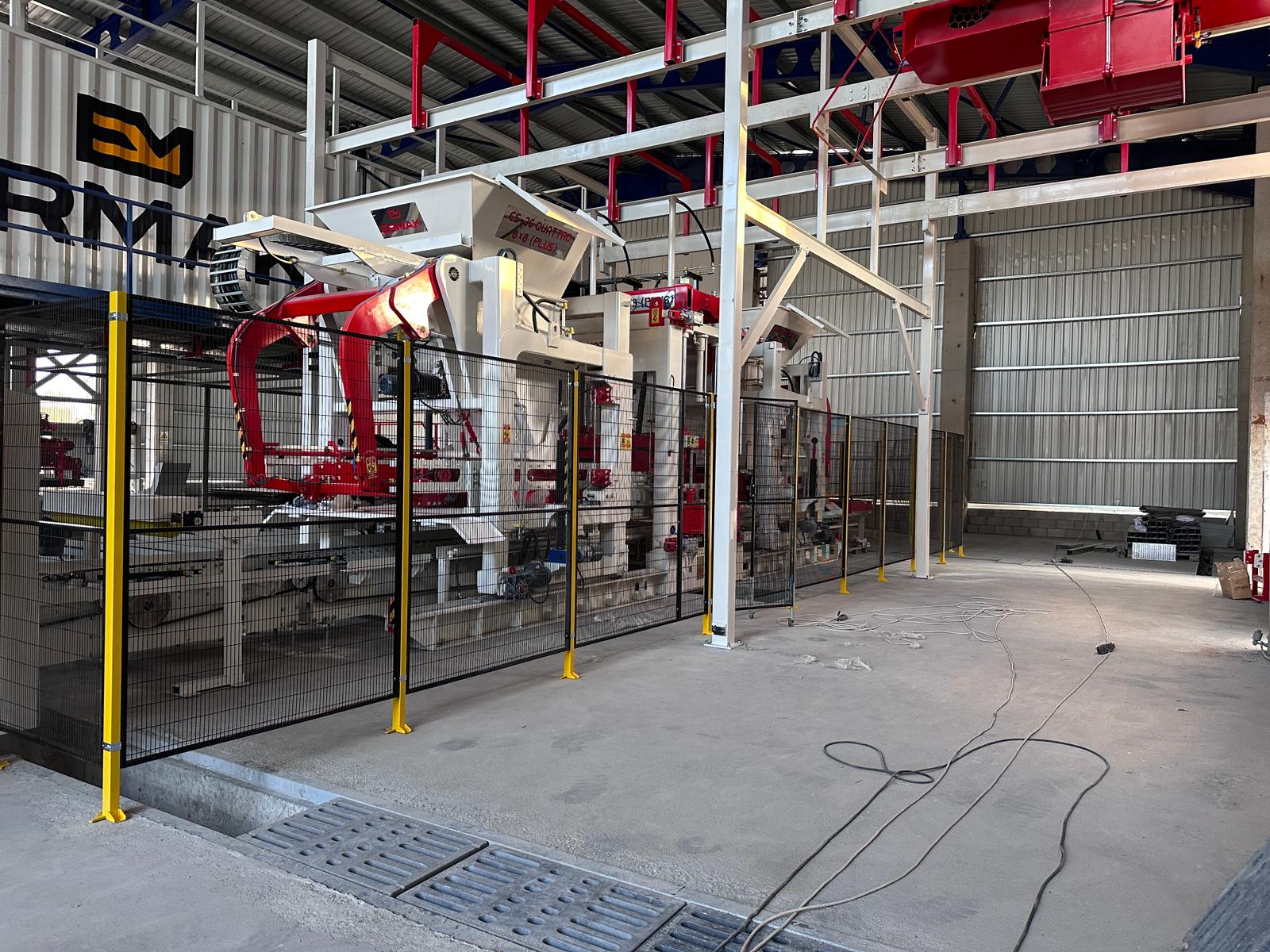
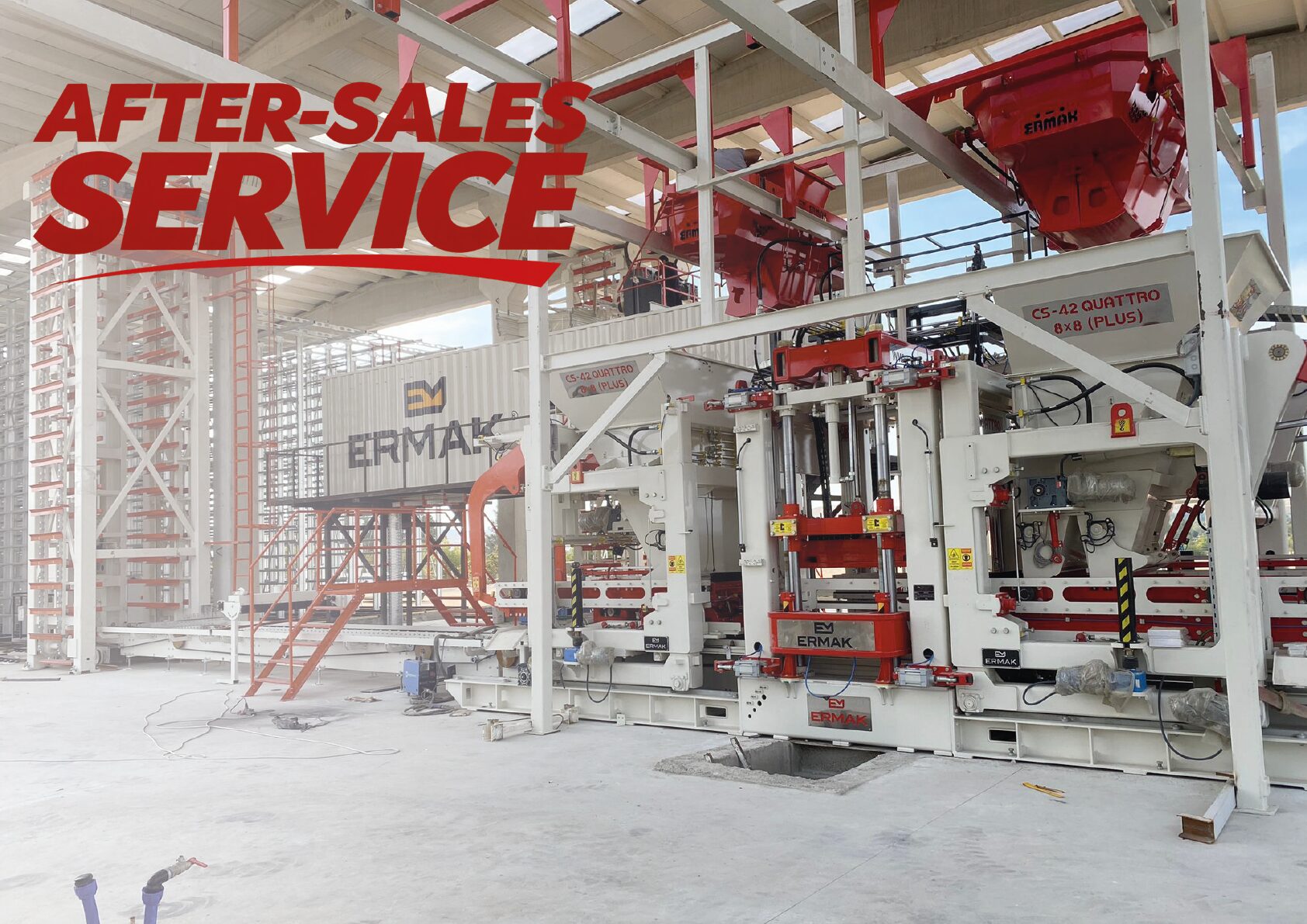
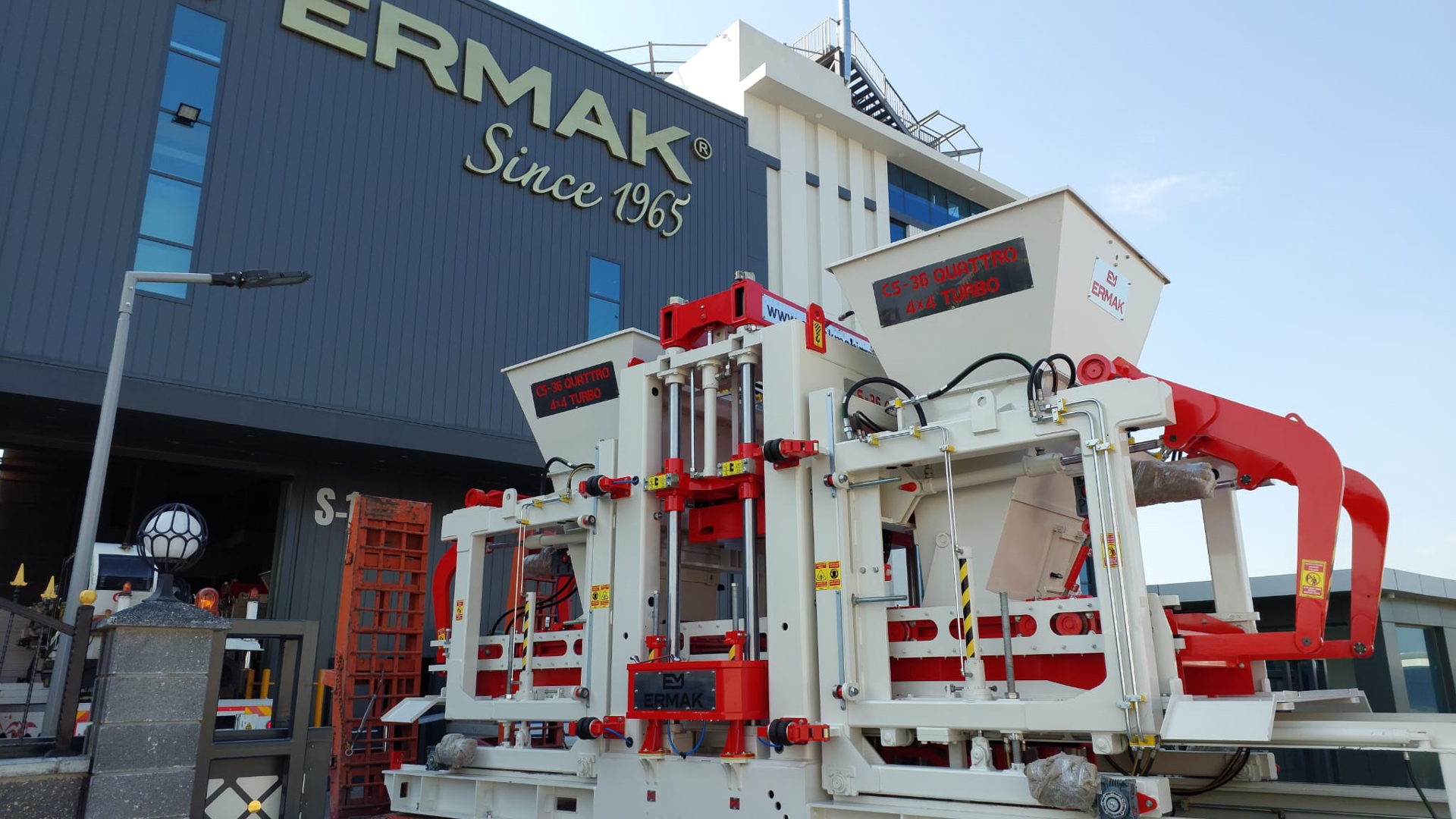
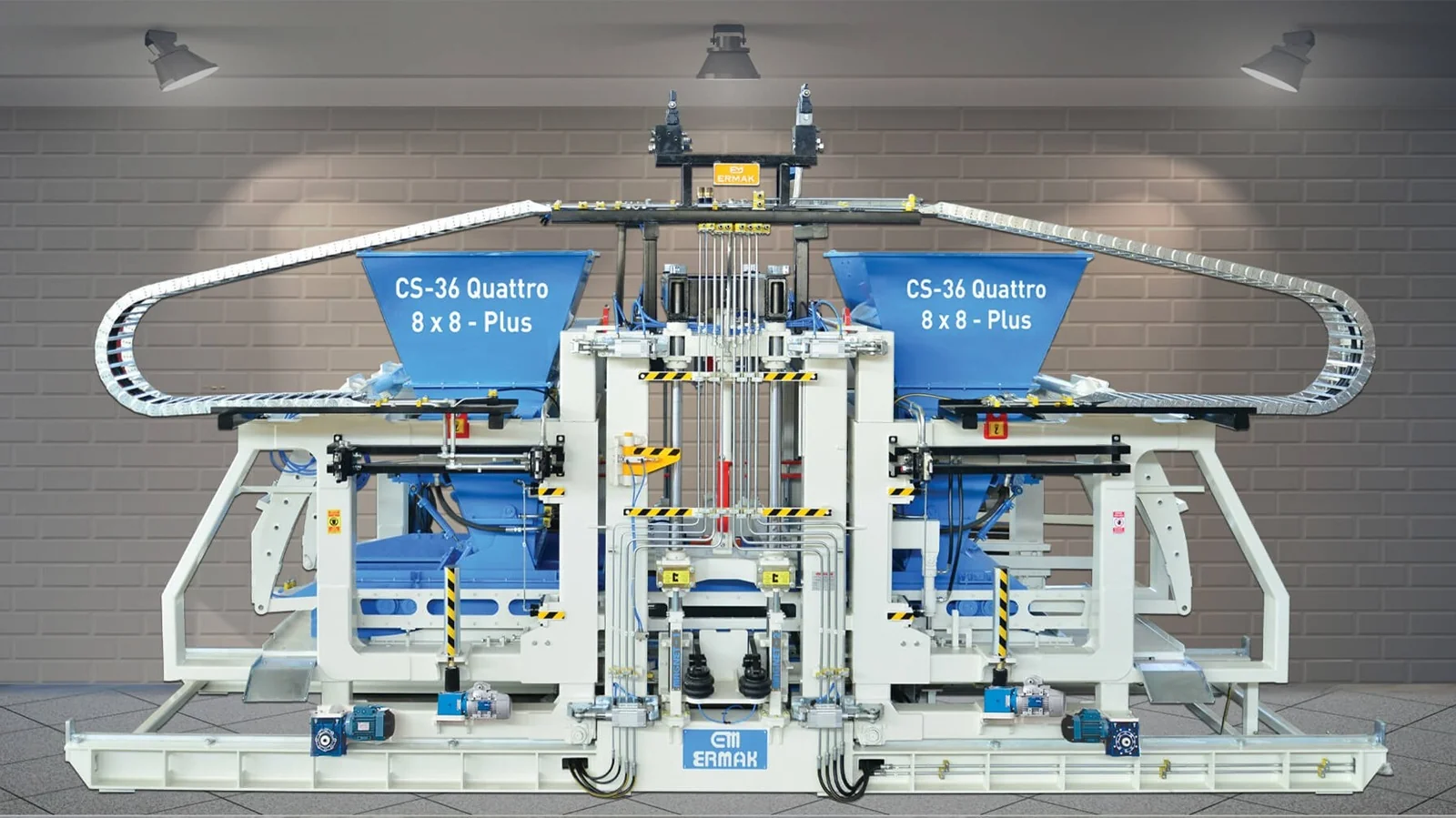
For a high-capacity platform such as the Quattro 8X8 Plus concrete block machine, the FAT should evaluate the main systems as an integrated production machine rather than as isolated components.
Check Hydraulic Movements Under Repeated Operation
Hydraulic functions should be tested over multiple cycles.
It is not enough to see each cylinder move successfully once.
The movements should remain stable and repeatable over continued operation.
The buyer should observe whether the system develops unusual pressure behaviour, excessive noise or leakage.
Where practical, the machine should run long enough for the hydraulic system to approach normal operating temperature.
Some problems only become visible after the oil warms.
This makes extended testing more useful than a short demonstration.
Inspect Hydraulic Leaks and Connections
Hydraulic hoses, fittings, manifolds and cylinders should be visually checked.
Small leaks should not be dismissed simply because the machine is still new.
The system should also be inspected after repeated operation because some leaks only appear under working pressure and temperature.
The buyer does not need to inspect every fitting with specialist equipment, but visible leakage or poorly secured hoses should be corrected before shipment.
Proper hose routing is also important to prevent unnecessary rubbing or mechanical damage.
Check the Electrical Panel
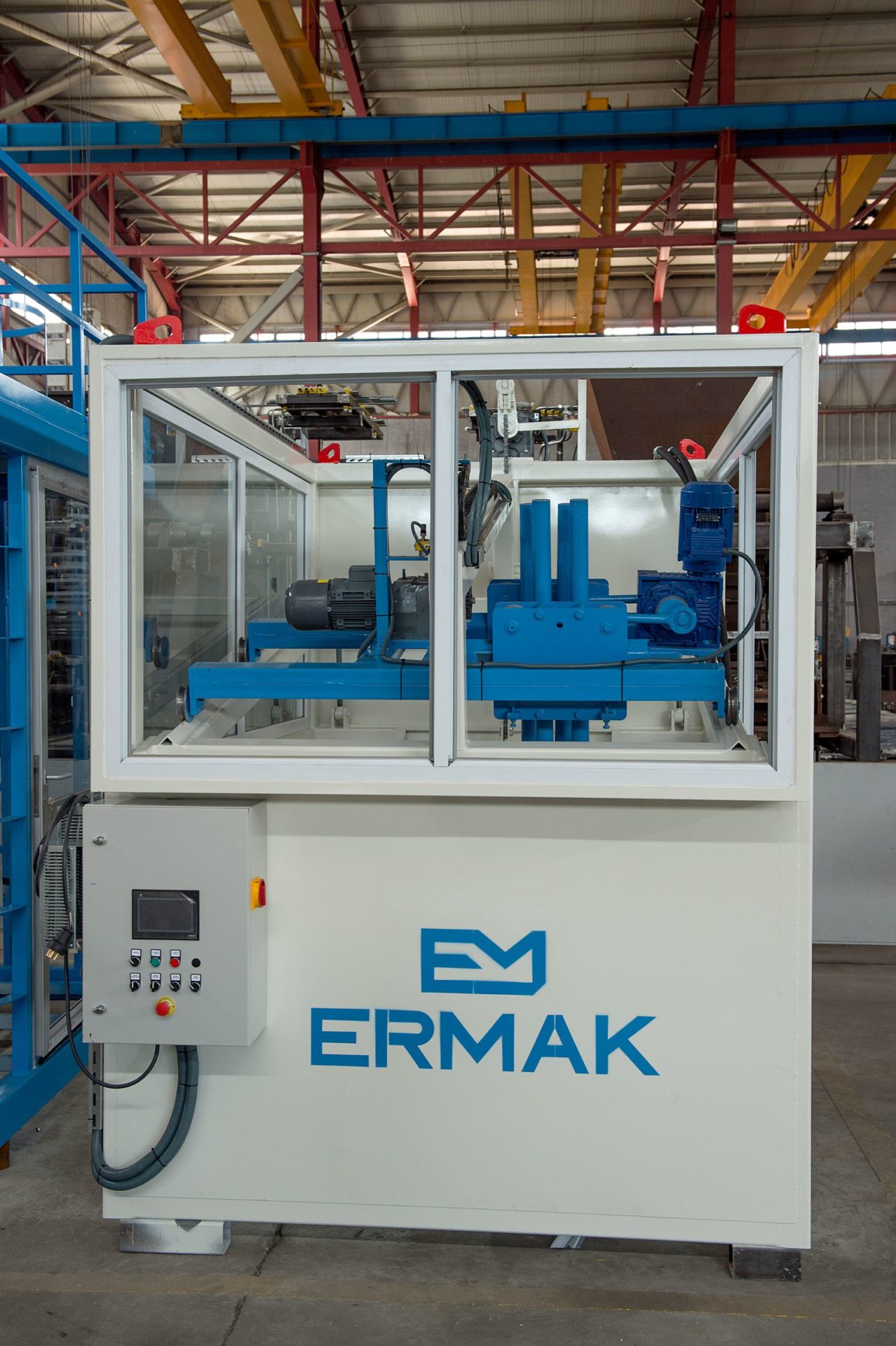
The electrical cabinet should be part of the FAT inspection.
The buyer should verify general panel organization, labelling and component identification.
Electrical drawings should correspond with the actual machine configuration.
The objective is not cosmetic neatness alone.
Clear identification makes future maintenance and troubleshooting significantly easier.
Loose wiring, unclear terminal identification or undocumented changes can create unnecessary service problems years later.
Test Sensors and Machine Feedback
Modern block machines depend heavily on sensors.
Pallet position, cylinder positions, guards and multiple production steps may rely on sensor feedback.
During FAT, sensors should be tested under automatic operating conditions.
The important question is not simply whether the sensor light turns on.
The PLC should interpret the signal correctly and the machine should respond appropriately.
Incorrect or unstable sensor positioning can create repeated short stops once the machine enters continuous production.
Test the Automatic Production Sequence
A concrete block machine contains a sequence of coordinated operations.
During FAT, the buyer should observe the automatic cycle from beginning to end.
The machine should move through each production stage in the intended order.
Unnecessary delays between movements should be identified.
At the same time, the test should not focus only on maximum speed.
The sequence must remain controlled and mechanically appropriate.
A very fast automatic cycle has limited value if it creates unstable movements or later affects product quality.
Verify PLC and HMI Functions
The operator interface is a critical part of daily machine use.
During FAT, the buyer should review the main HMI screens, operating modes and alarm functions.
Product recipe management should be tested if included.
Operators should be able to identify the active product, important production parameters and current machine condition.
The interface should also distinguish between normal operator settings and restricted service parameters where appropriate.
The best HMI is not the one with the most screens. It is the one that helps the operating team understand and control the machine efficiently.
Check Alarm Messages
Alarm testing is one of the most useful FAT activities.
Selected faults can be simulated safely to verify how the machine reacts.
For example, a missing sensor signal can be used to check whether the machine stops correctly and whether the HMI provides a useful alarm message.
A generic message such as “machine fault” is far less useful than identifying the affected area.
Good alarm information can reduce troubleshooting time significantly after the machine enters production.
Verify Alarm History
If the system includes alarm history, this should also be tested.
Maintenance personnel may need to identify intermittent problems that no longer exist when they arrive at the machine.
A recorded alarm history helps them see what happened and when.
This feature becomes especially valuable in plants where the machine operates multiple shifts.
Small recurring faults that seem unimportant individually can later be identified as major sources of production loss.
Test Emergency Stops
Emergency stop devices should be tested individually.
The objective is to confirm that they trigger the intended machine response.
The buyer should not simply confirm that the red emergency stop buttons are physically present.
Each device should be verified as part of the actual control system.
The machine should also require appropriate reset conditions before returning to production.
Unexpected automatic restart after reset should be avoided.
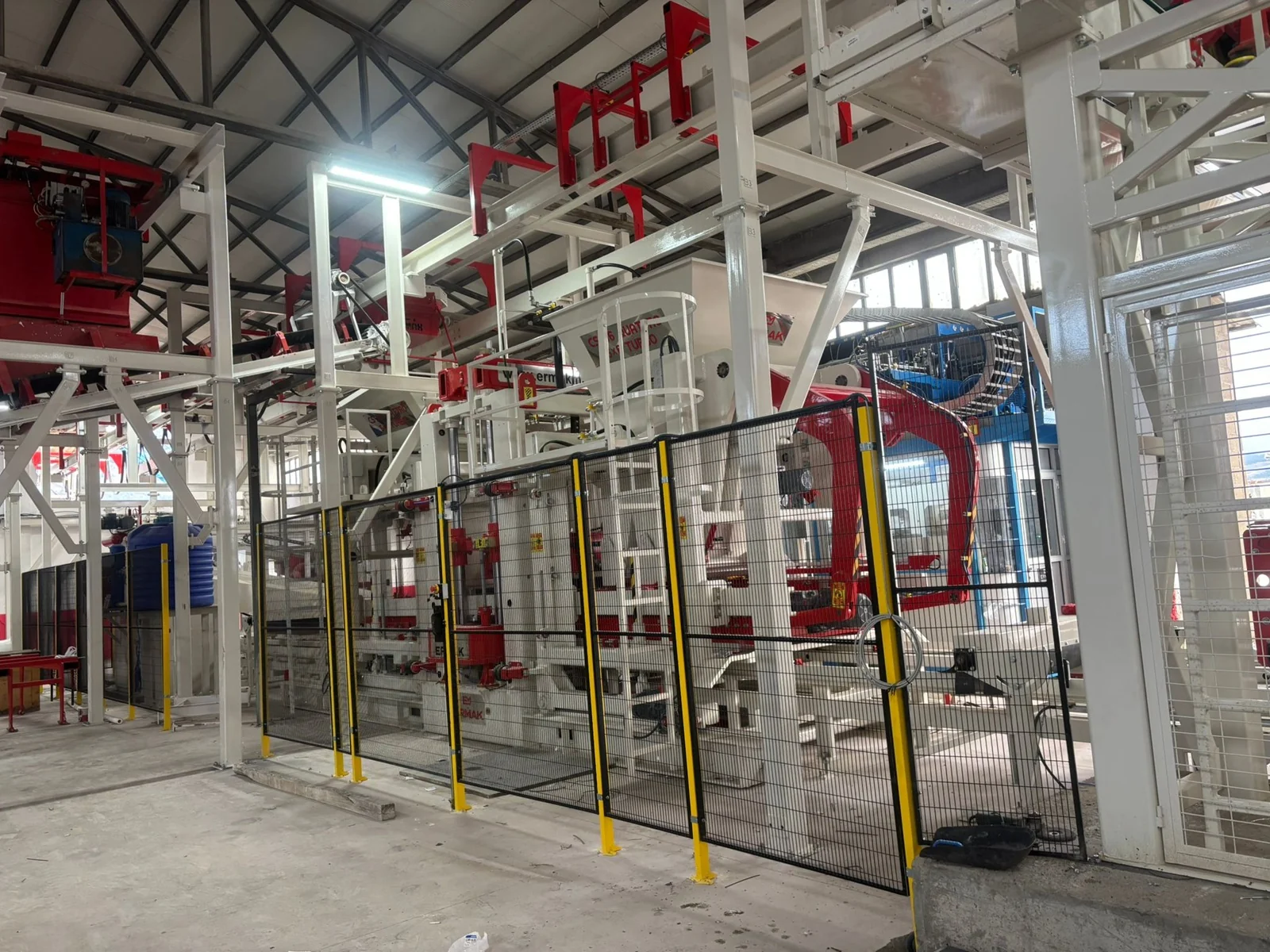
Test Safety Guards and Interlocks
If the machine uses interlocked safety doors or guards, their operation should be checked.
Opening a protected area should cause the designed safety response.
The exact behaviour depends on the machine design, but the critical point is that the safety system performs as intended.
These checks should be documented where required.
For European projects, safety verification also supports the broader conformity and technical documentation process.
Verify Manual and Maintenance Modes
A machine may behave correctly in full automatic mode while presenting problems during manual operation.
FAT should therefore include appropriate manual and maintenance functions.
Maintenance personnel often need to move individual machine groups during service, mould change or adjustment.
These modes should provide the required control without creating unnecessary risk.
The distinction between automatic production, manual control and service access should be clear.
Test Mould Change Procedures
If the plant will produce multiple products, mould change time can have a significant effect on annual productivity.
During FAT, the buyer should understand how the mould is removed and installed.
Required tools, lifting arrangements and adjustment procedures should be identified.
If the machine includes assisted or automatic mould-changing functions, these should be tested.
The production recipe associated with the mould can also be checked.
A fast physical mould change has limited value if another hour is then required to recreate all production settings manually.
Check Lubrication and Maintenance Access
FAT is also a good opportunity to inspect routine maintenance points.
Filters, lubrication areas, sensors and wear components should be reasonably accessible.
Maintenance requirements that look simple on a drawing can be difficult in the actual assembled machine.
If routine maintenance requires major disassembly, it may be delayed during real production.
Accessibility therefore has a direct relationship with long-term machine availability.
Should FAT Include Production with Concrete?
Where technically and practically possible, production testing can add significant value.
A machine may perform perfectly in empty cycles but behave differently when working with concrete, moulds and production pallets.
Production testing allows the buyer to observe actual filling, vibration, pressing and product release.
It also allows inspection of the produced blocks or pavers.
However, whether full production is possible during FAT depends on the manufacturer’s test facilities and project configuration.
This should therefore be agreed in advance rather than assumed.
Define the Reference Product Before Capacity Testing
A capacity test is meaningless unless the reference product is clearly defined.
The buyer and supplier should agree on product dimensions, mould arrangement, concrete mix, production pallet and cycle conditions.
For example, capacity measured using a standard hollow block cannot automatically be applied to a kerbstone or different paving stone.
The number of products per cycle also matters.
The contract should therefore avoid vague statements such as “machine capacity: 30,000 blocks per shift” without defining the reference product.
Measure Sustainable Cycle Time
During production testing, buyers should avoid focusing on the fastest single cycle.
A better approach is to observe a sequence of repeated cycles and calculate a stable average.
The objective is to understand whether the machine can maintain the required rhythm consistently.
A cycle time achieved once for demonstration purposes may not represent normal industrial operation.
The test should also confirm that product quality remains acceptable at the stated production speed.
Inspect Product Dimensions
If concrete products are manufactured during FAT, basic dimensional measurements provide useful information.
Products from different mould cavities can be compared.
Height, width and length should be evaluated according to the product and agreed test criteria.
Repeated differences between mould positions may indicate issues related to feeding, mould alignment, pallet condition, vibration or pressing.
The purpose is not necessarily to perform complete laboratory certification during FAT.
It is to verify that the production system is behaving consistently.
Compare Product Weight
Product weight can be another useful indicator.
Under the same production conditions, products from different mould areas should not show repeated and unexplained weight differences.
Consistent differences may indicate uneven concrete distribution or compaction.
Weight measurement is simple but can reveal useful process information when combined with dimensional and visual inspection.
Inspect Surface Quality
Surface appearance should also be checked where relevant.
Poorly filled corners, inconsistent edges or visible surface differences may indicate feeding or compaction problems.
Not every visual defect should be blamed on the machine.
Concrete recipe, aggregate characteristics and mould condition also influence product appearance.
For this reason, the buyer and supplier should evaluate the complete process rather than immediately adjusting one machine parameter.
Record FAT Results
FAT results should be documented.
The report should identify the machine, date, tested configuration and participants.
Completed checks can be recorded, and any unresolved items should be listed clearly.
This creates a common technical record for both parties.
Verbal agreements made during the test are much harder to manage after the equipment has been shipped.
Use a Punch List for Open Items
Not every minor issue needs to prevent shipment.
However, unresolved points should not disappear after FAT.
A punch list can identify each item, responsible party and required action.
Items that affect safety, major functionality or essential contract requirements may need to be closed before shipment.
Less critical items may be completed later if both parties agree.
The important point is that the status is clear.
A structured punch list prevents arguments such as “we thought that had already been accepted.”
FAT Approval Should Not Automatically Mean Final Project Acceptance
Signing the FAT does not necessarily mean that the complete project has reached final acceptance.
The machine still needs to be transported, installed and integrated at the customer’s site.
For complete plants, real production performance depends on systems that may not have been present during FAT.
The FAT document should therefore state clearly what was accepted and what remains subject to SAT or commissioning.
This protects both buyer and supplier.
What Should Be Checked Before SAT Begins?
SAT should not begin before installation is substantially complete.
The foundations, machine alignment, electrical supply, compressed air and other required utilities should be ready.
The batching system and major interfaces should also be operational where they form part of the test.
Trying to perform SAT while installation is still incomplete makes it difficult to distinguish equipment issues from unfinished site work.
The parties should therefore confirm site readiness before starting formal acceptance testing.
Recheck the Machine After Transport and Installation
Large machines may be partially disassembled for shipment.
Transport and installation create new variables that were not present during FAT.
For this reason, important mechanical, electrical and safety checks should be repeated after installation.
Connections should be inspected and moving systems tested before production begins.
A machine that worked correctly during FAT should not simply be assumed to remain in identical condition after transportation and reassembly.
Verify Site Utilities
Electrical supply, compressed air, water and other utilities can directly affect machine performance.
Voltage instability, insufficient air pressure or unsuitable infrastructure can create problems that appear to be machine faults.
SAT should therefore confirm that the site utilities meet the project requirements.
This is especially important in international projects where local infrastructure conditions may differ significantly.
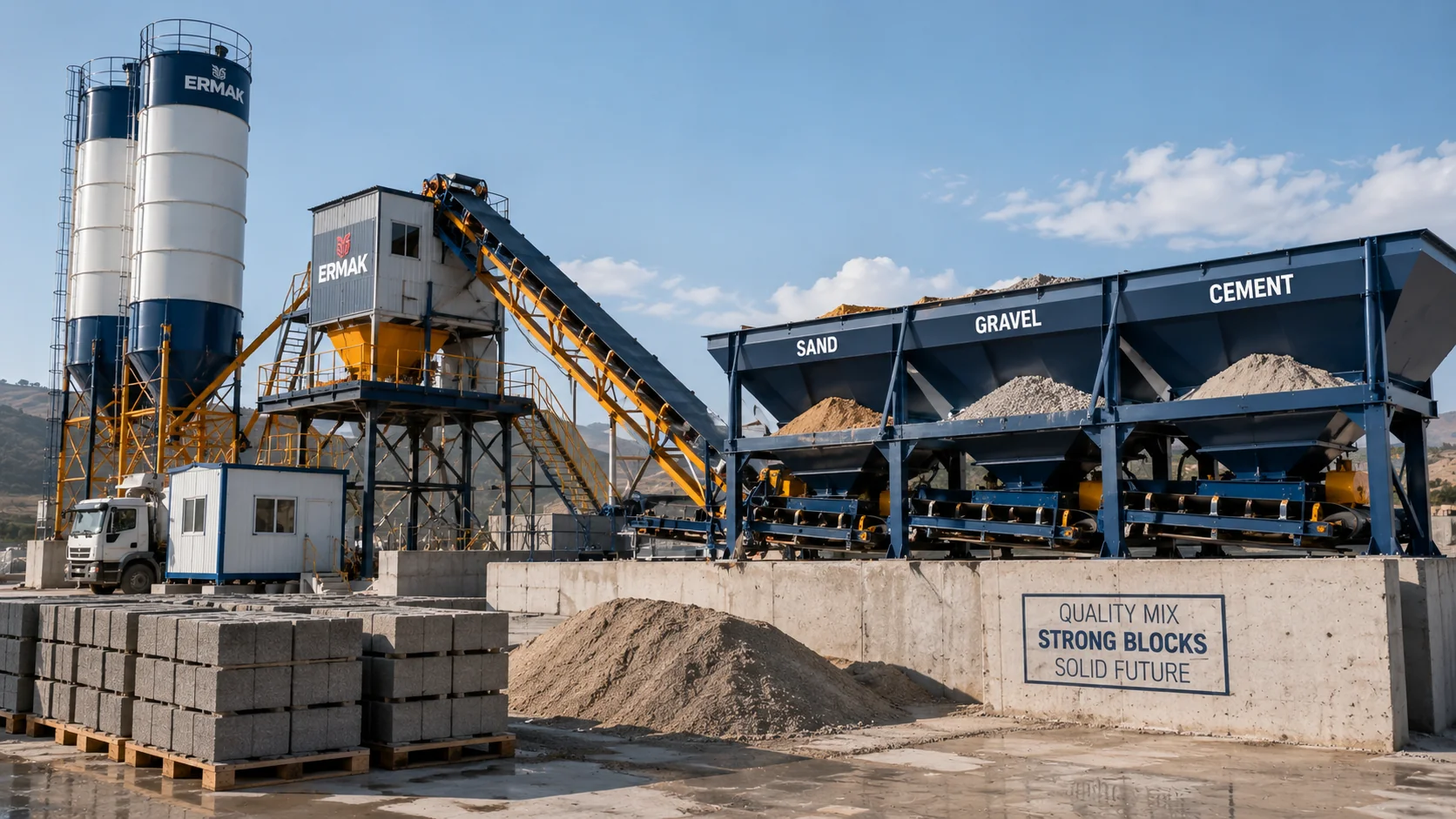
Test Integration with the Batching Plant
The concrete block machine depends on the batching and mixing system.
During SAT, the interaction between the main machine and concrete preparation system should be evaluated.
The batching plant should supply concrete at the required rhythm.
Communication signals should operate correctly where systems are integrated.
If the main machine frequently waits for concrete, the issue should be identified before final capacity evaluation.
A main machine cannot demonstrate complete plant output if the upstream process cannot support it.
Test Wet-Side Integration
Fresh products leaving the main machine must be transferred to the curing system.
SAT should confirm that the wet-side handling equipment receives each production pallet correctly and does not delay the main machine unnecessarily.
Movement should also remain controlled enough to protect fresh products.
The buyer should observe whether products experience excessive shaking, sudden movements or positioning problems during transport.
The complete line should operate as one coordinated system.
Test Curing Flow
The curing system should be evaluated not only for physical operation but also for capacity flow.
Production pallets should enter and leave the curing area according to the intended process.
If the plant uses automated rack handling, the corresponding sequences should be tested.
The buyer should also understand whether the available curing capacity supports the planned daily output.
Insufficient curing capacity can eventually limit the complete production line even when the main machine performs perfectly.
Test Dry-Side Integration
After curing, products need to be separated from production pallets and moved toward cubing or packaging.
SAT should verify that dry-side equipment can process the product flow without excessive accumulation.
Empty production pallets must also return to the main machine reliably.
A bottleneck on the dry side can eventually stop the wet side.
This is why complete-line acceptance should include more than the main machine.
Test Cubing and Packaging
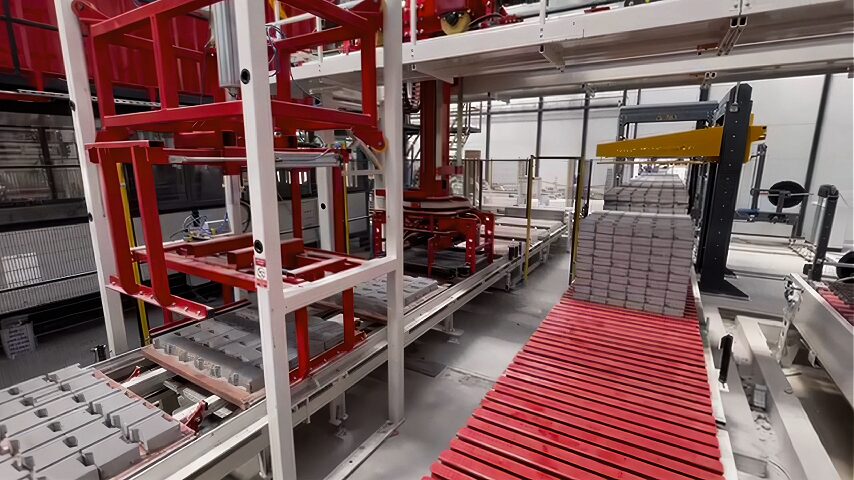
If automatic cubing, robotic palletizing, strapping or other packaging systems are included, they should be tested with the intended product.
The product stack should remain stable.
The package arrangement should correspond with the agreed commercial format.
If multiple products will be produced, different cubing recipes may need to be tested.
The maximum speed of the cubing equipment is less important than its ability to process real products consistently.
Verify Product Recipes on Site
Production recipes established during factory testing may require adjustment at the customer site.
Local aggregate, cement, moisture and environmental conditions can affect concrete behaviour.
SAT and commissioning therefore provide an opportunity to optimize machine settings using the customer’s real materials.
Once stable parameters are found, they can be stored through the PLC and HMI recipe system.
This makes future product setup faster and more repeatable.
Capacity Acceptance Must Be Clearly Defined
Capacity testing can become one of the most disputed stages of machine acceptance if the method is not agreed in advance.
The buyer and supplier should define:
- reference product,
- number of products per mould,
- concrete mix condition,
- test duration,
- acceptable stops,
- quality criteria,
- and whether capacity refers to the main machine or complete line.
This distinction is essential.
The main machine may achieve its target cycle time while the complete plant output remains lower due to batching, curing or dry-side constraints.
The acceptance document should therefore specify exactly what capacity is being tested.
Saleable Output Is More Important Than Gross Output
A capacity test should not reward speed at the expense of product quality.
If a machine reaches a high cycle rate but produces a significant number of unacceptable products, the result is not commercially useful.
Where capacity acceptance includes real production, acceptable product quality should therefore form part of the test criteria.
This does not mean every long-term laboratory property can be verified immediately during SAT.
However, dimensional consistency, visible quality and other appropriate short-term checks can help confirm that the machine is not achieving speed by sacrificing basic product quality.
Operator Training Should Be Part of Commissioning
SAT is also an important training period.
Operators should learn normal startup, shutdown, recipe selection, mould change procedures and alarm handling.
Maintenance personnel should understand inspection points, lubrication requirements, common alarms and critical spare parts.
A machine that has been accepted technically but cannot be operated confidently by the customer’s staff is not yet ready for stable production.
Training should therefore be treated as part of project completion rather than as an optional extra.
Confirm Spare Parts and Maintenance Information
Before final acceptance, the buyer should confirm that agreed spare parts and maintenance information have been delivered.
Critical spare parts should be clearly identified.
The maintenance team should understand which parts are standard industrial components and which are machine-specific.
This information becomes especially valuable for international projects where delivery lead times may be long.
Good spare parts planning can prevent a small component failure from becoming a multi-day production stop.
Verify Software and Automation Backups
PLC and HMI software should be treated as critical machine assets.
The project should have controlled backups of the final software versions.
If changes are made during SAT or commissioning, the final version should be recorded.
This becomes important years later if a PLC or HMI needs replacement or modernization.
A replacement device without the correct software backup may still leave the plant unable to operate.
SAT Should Also Use a Punch List
Just like FAT, SAT may identify open items.
These should be recorded in a site punch list.
The list should distinguish between items that prevent acceptance and smaller points that can be completed without stopping production.
Responsibilities and target actions should be clear.
The project should not rely on informal promises made during commissioning.
A documented close-out process is much easier to manage.
When Should Final Acceptance Be Signed?
Final acceptance should occur according to the conditions defined in the contract.
Depending on the project, this may require completion of SAT, agreed capacity testing, documentation delivery, operator training and closure of critical punch-list items.
The key is that the acceptance conditions are known before the project reaches this stage.
Final acceptance should not become a negotiation about expectations that were never written down.
Clear criteria protect both the customer and supplier.
A Practical Buyer’s FAT Checklist
A buyer preparing for FAT should at minimum verify the delivered machine configuration, main mechanical movements, mould and tamper compatibility, production pallet handling, vibration, hydraulic operation, electrical panel, sensors, PLC/HMI functions, alarms, safety devices and maintenance accessibility.
Where agreed, production testing should also examine cycle consistency and basic product quality.
The buyer should document unresolved items and agree which points must be closed before shipment.
The objective is not to search for minor cosmetic issues. It is to identify problems that could affect safety, operation, production consistency or commissioning.
A Practical Buyer’s SAT Checklist
SAT should focus on the installed production system.
The buyer should recheck machine condition after transport, utilities, main machine installation, batching integration, wet-side transfer, curing flow, dry-side operation, cubing and pallet return.
Real product recipes should be adjusted using local materials.
Agreed capacity tests should be carried out under clearly defined conditions.
Safety functions affected by site installation should also be retested.
Finally, training, documentation, software backups, spare parts and punch-list closure should be reviewed before final acceptance.
FAT and SAT Reduce Total Project Risk
The economic value of FAT and SAT becomes clear when considering the cost of correcting problems later.
A mechanical issue identified during FAT may be corrected in the manufacturer’s workshop within hours.
The same issue discovered after international shipping may require a technician, replacement parts, travel, lifting equipment and several days of lost production.
SAT provides similar protection by identifying integration problems before the customer enters normal commercial production.
These tests therefore do not simply create extra project administration.
They reduce technical uncertainty at two critical stages of the investment.
Ermak Makine’s Approach to Machine Acceptance
At Ermak Makine, we view machine acceptance as a process rather than a single test day.
The machine should be controlled throughout manufacturing, functionally verified before shipment and then commissioned as part of the real production line at the customer site.
The exact FAT and SAT scope depends on the project configuration, product requirements and agreed contract conditions.
The main objective is to make the acceptance process measurable and transparent so that both the buyer and our technical team understand what has been verified and what still needs to be completed.
Investors comparing different concrete block machine and complete plant configurations can review our concrete block machine and production line catalogs before defining their project acceptance requirements.
The Most Important Rule for FAT and SAT
The most important rule is simple: do not wait until the test day to decide what the test means.
A good FAT begins with clearly defined requirements before manufacturing is completed.
A good SAT begins with clearly defined site readiness and production acceptance conditions before commissioning starts.
When the reference product, capacity conditions, machine scope, documentation and responsibilities are agreed in advance, acceptance becomes a technical verification process rather than a commercial argument.
For buyers, this makes FAT and SAT powerful tools for protecting machine quality, commissioning time and long-term production performance.
Companies planning a new block, paver or kerbstone production project can contact Ermak Makine to discuss machine configuration, complete plant requirements and project acceptance planning.
Frequently Asked Questions
What is FAT for a concrete block machine?
FAT stands for Factory Acceptance Test. It is performed before shipment to verify the agreed machine configuration, functions and technical requirements.
What is SAT?
SAT stands for Site Acceptance Test. It is performed after installation to verify operation and integration under real site conditions.
Is SAT simply a repeat of FAT?
No. FAT focuses primarily on the manufactured machine, while SAT focuses on installation, site utilities, system integration and real production conditions.
Should FAT requirements be written into the contract?
Yes. Defining the scope, test conditions and acceptance criteria in advance significantly reduces misunderstandings.
Should a buyer attend FAT?
For major industrial investments, buyer participation can be valuable because technical expectations and open items can be discussed before shipment.
Can FAT be performed without concrete?
Yes, depending on the project. Mechanical and functional FAT can still provide significant value. However, production testing with concrete offers additional verification where facilities allow it.
How should cycle time be tested?
Cycle time should preferably be measured over repeated production cycles under agreed conditions rather than using one isolated fastest cycle.
Should product quality be checked during FAT?
If real production is included, dimensional consistency, weight and visible product quality can provide useful information.
What should be tested during SAT?
Machine condition after transport, utilities, batching integration, wet side, curing, dry side, packaging, safety functions and real production performance can all form part of SAT.
Why should capacity test conditions be defined in advance?
Because product dimensions, mould arrangement, concrete mix and auxiliary systems all affect production output. Without common assumptions, capacity figures can be disputed.
Is main machine capacity the same as complete plant capacity?
No. Complete plant capacity also depends on batching, mixing, curing, pallet circulation, dry-side handling and packaging.
Should safety systems be tested again during SAT?
Yes. Transport and installation may affect site-mounted safety components, so relevant safety functions should be verified again.
Why is a punch list important?
It records unresolved items, responsibilities and required actions so that open points are not forgotten after testing.
When should final acceptance be signed?
According to the contractually defined conditions, usually after the required SAT, documentation, training and critical punch-list items have been completed.
What is the main benefit of FAT and SAT for the buyer?
Their greatest benefit is reducing project risk by identifying machine issues before shipment and integration issues before stable commercial production begins.